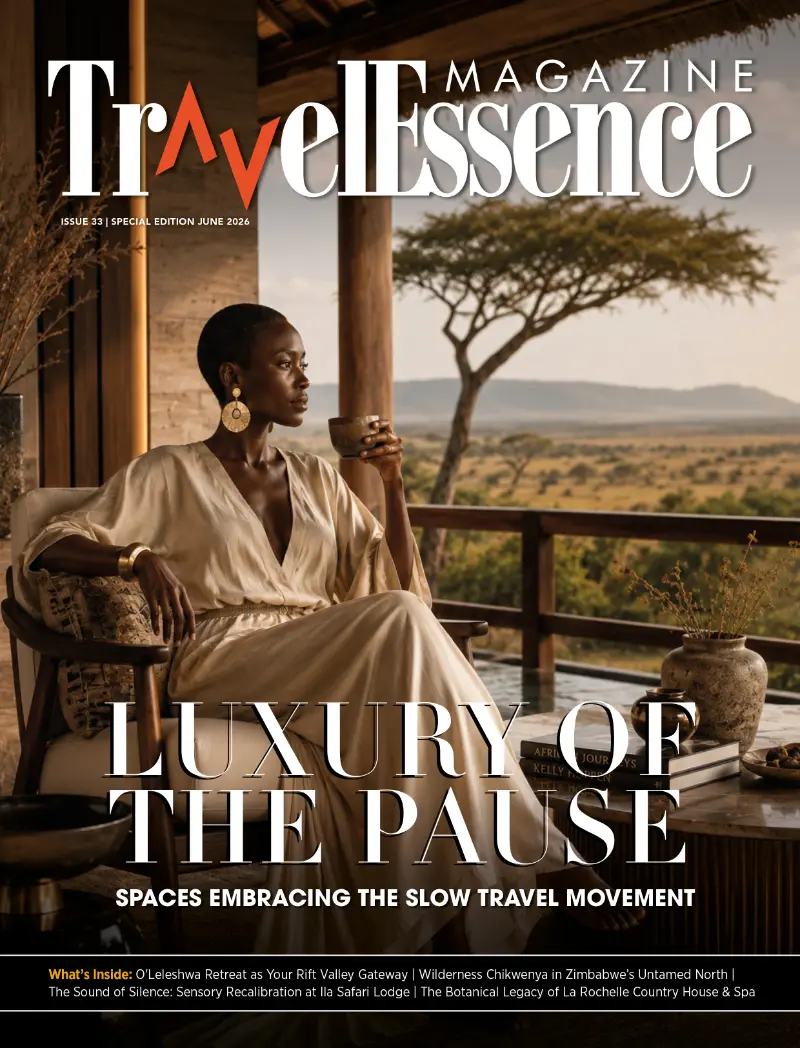


The Art of Slowing Down: Why Huvafen Fushi is the Antidote to the Over-Scheduled Holiday
In a world where even holidays have become packed with itineraries, early morning transfers and


CapeNature, in partnership with Soapbox and the Department of Environmental Affairs and Development Planning (DEA&DP), is working on the “Don’t Be Trashy” Drive to address the growing threat of waste to ecosystems across the province.
The campaign aims to tackle pollution in both terrestrial and marine environments, where plastic and non-biodegradable waste is putting increasing pressure on biodiversity. It combines public awareness, education, and community action to reduce waste and drive long-term behavioural change.
Western Cape Provincial Minister of Local Government, Environmental Affairs and Development Planning, Anton Bredell, said the government has an important role to play in guiding communities to change and improve their handling of waste.
“We need to grow our understanding of the value that can be unlocked from waste. Let’s explore simple ways in which we can benefit from the circular economy that lies hidden in many trash items we simply throw away without a second thought.”

A key focus of this year’s drive is the protection of Marine Protected Areas (MPAs), which play an important role in sustaining ocean health. Pollution doesn’t respect boundaries and even waste generated far inland can travel via rivers into the ocean, impacting critical marine ecosystems. Collaboration across sectors and communities is essential to protect these environments.
“The impact of waste is not just unsightly; it has a significant impact on natural ecosystems,” says Dr Ashley Naidoo, CEO of CapeNature. “On land, litter disrupts habitats, contaminates soil, and affects wildlife. In our oceans, waste entangles marine animals, degrades coral reefs, and introduces toxins into the food chain. The “Don’t Be Trashy” Drive is a call to action for all communities, schools, businesses, and individuals to be part of the solution.”
The campaign highlights how everyday actions like littering and illegal dumping contribute to environmental degradation. Through clean-up events, educational activities, and social engagements, CapeNature and its partners are promoting sustainable practices like recycling and reducing single-use plastics.

Soapbox, through its Captain Fanplastic Programme, is adding a creative and educational dimension to the campaign, particularly among young people.
“If we want to see lasting change in how we treat our environment, it starts with what we teach our children,” said Ruben Hazelzet, Head of Programme at Captain Fanplastic. “Through our gamified storytelling adventures and outdoor experiences, we turn environmental education into something memorable, fun, and impactful. We pride ourselves on being able to reach 11 countries with vital education for many young people. Over the past three years, we’ve reached more than 15000 learners, inspiring them to become “Plastic Pirates” and community changemakers. Campaigns like “Don’t Be Trashy” reinforce education reform based on creativity, curiosity, and real-world action, which is key to building a generation that sees waste not as rubbish, but as a resource.”
CapeNature is calling on all individuals to join the campaign by taking part in clean-ups, report illegal dumping, and reduce waste at source. The Entity also encourages all to support the work being done in nature reserves and MPAs.
The public can share the campaign message online using #DontBeTrashy.
For more information and updates on upcoming events, visit www.capenature.co.za or follow CapeNature on social media.

In a world where even holidays have become packed with itineraries, early morning transfers and

For those of us lucky enough to have been to a safari lodge, there is
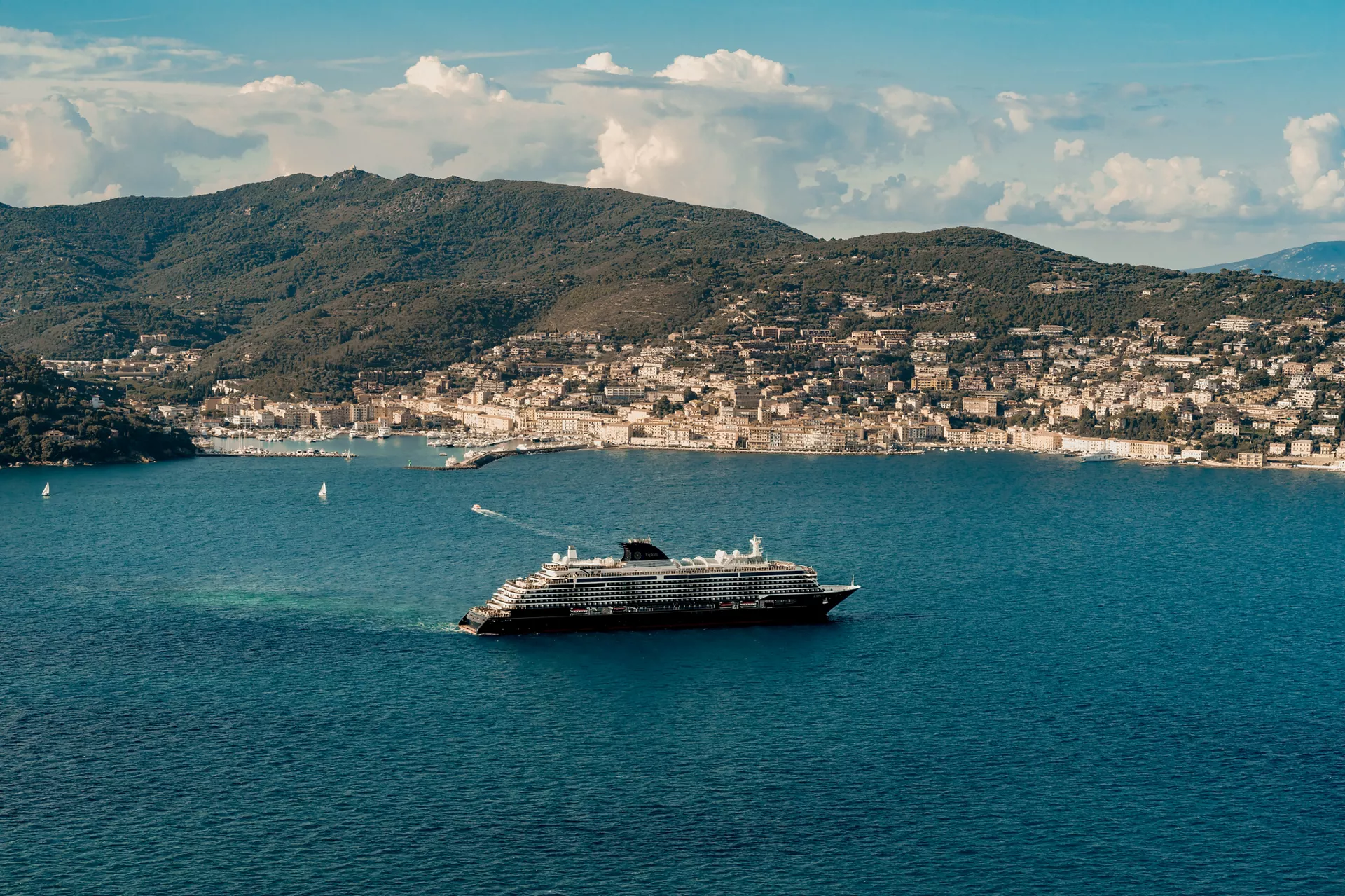
Explora Journeys reimagines luxury travel with a hotel that moves with you—discover why the future
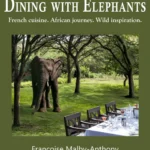
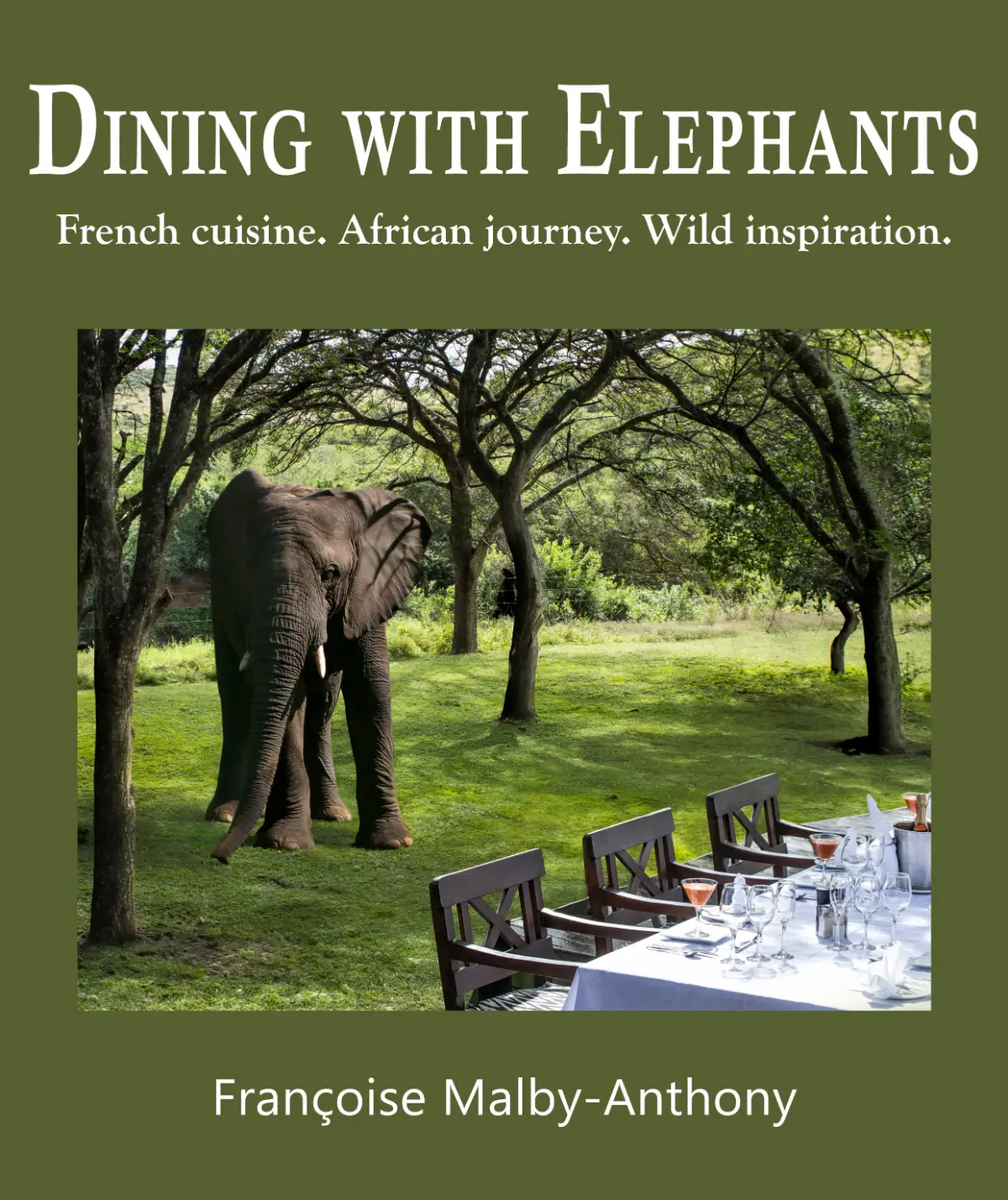
Meet Françoise Malby-Anthony, the Parisienne who became guardian of Thula Thula, South Africa’s iconic elephant
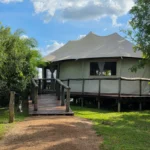
Escape Dubai’s fast pace for the profound stillness of Zambia’s bush at Ila Safari Lodge—a

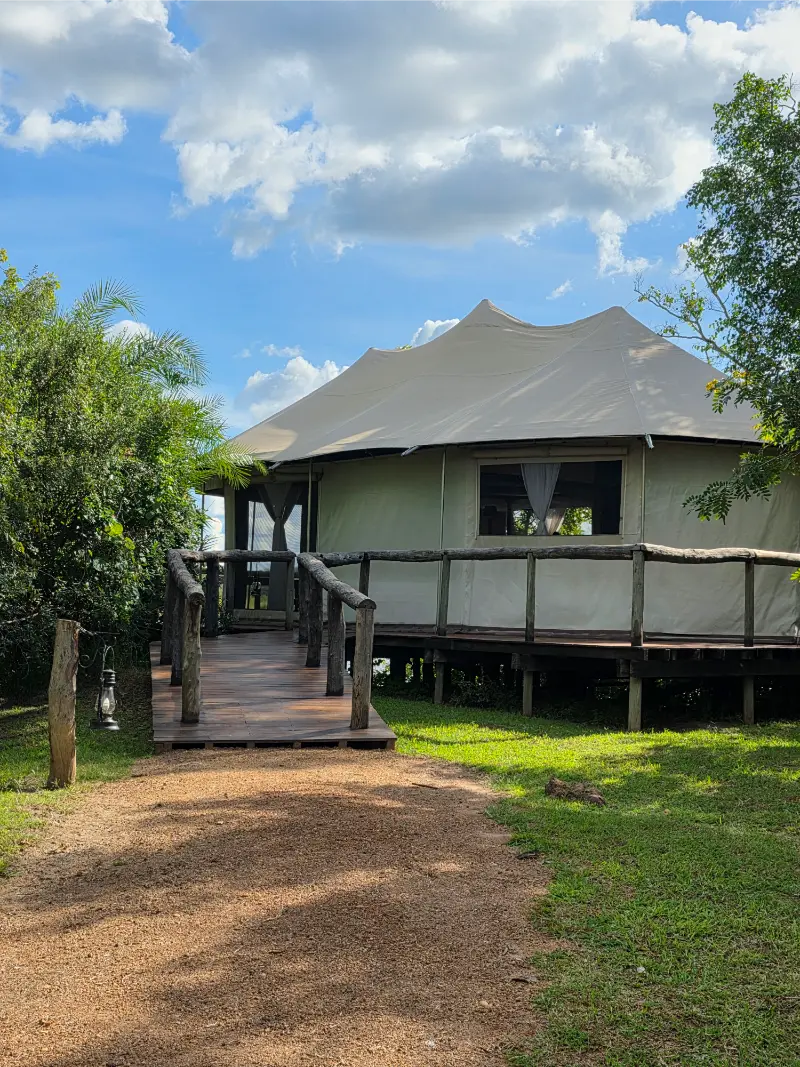
Journey through Zambia’s Kafue National Park on a 12-day expedition blending untamed wilderness, curated luxury