



Maybe the Best Hotel Isn’t a Hotel
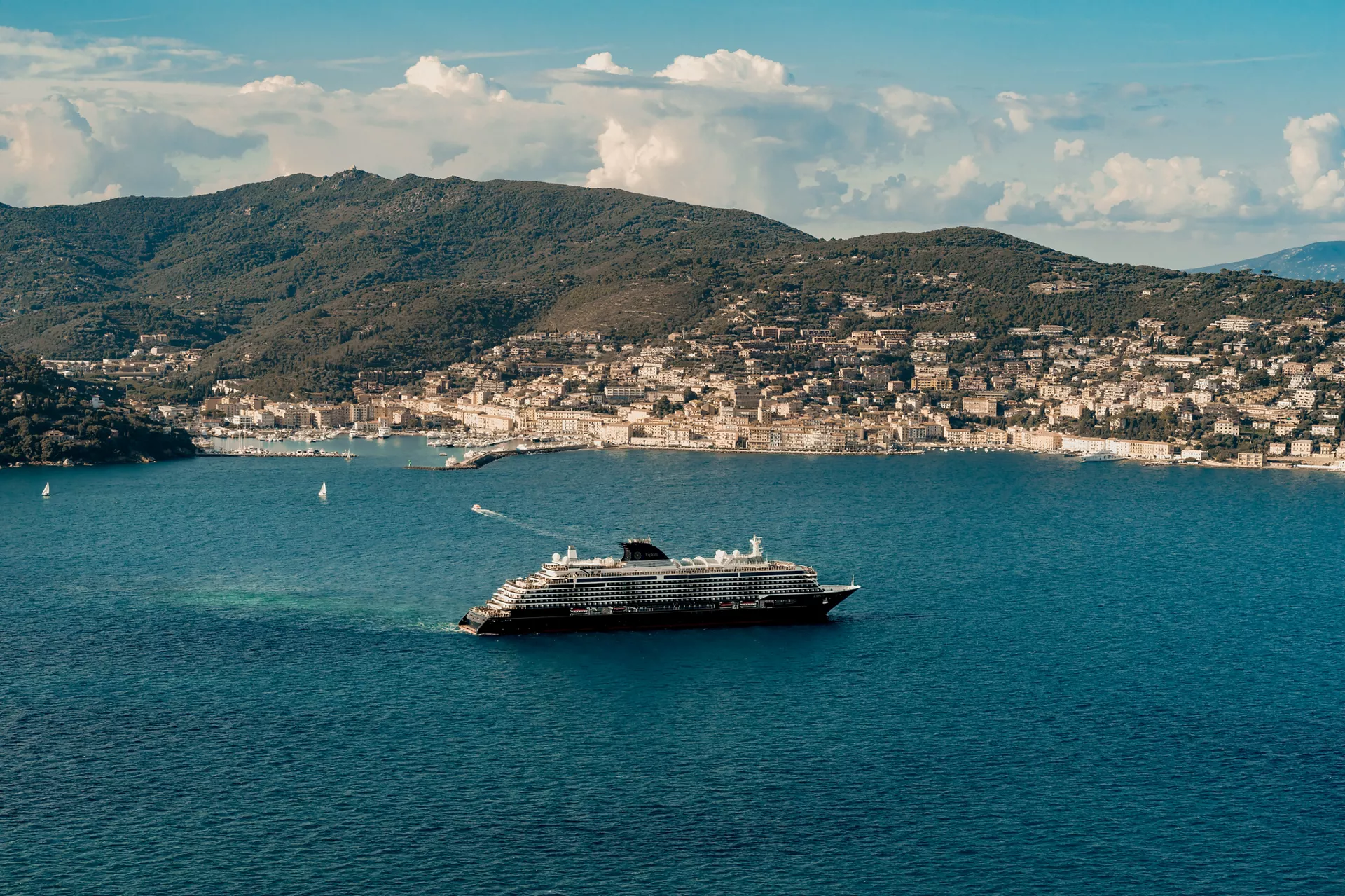
How Explora Journeys is changing what it means to travel in style For decades, luxury


Words by Sarah Kingdom
When I first heard of Samara Karoo Reserve https://www.samara.co.za/, I’d imagined a typical safari destination, vast plains, dusty game drives, and perhaps a lion or two. What I didn’t expect was to walk alongside a cheetah, sleep beneath a sky crowded with stars, and feel part of a living, breathing conservation story decades in the making. Visiting Samara wasn’t just a trip; it was a complete reset and recalibration.
Tucked away in South Africa’s Great Karoo, a semi-arid region steeped in silence and starlight, Samara is more than a reserve; it’s a visionary project born of patience, ambition, and deep love for the land. When Sarah and Mark Tompkins began buying up overgrazed farms here in 1997, few would have imagined what would follow. They weren’t building a tourist attraction. They were resurrecting an ecosystem. Inspired by tales of a long-lost Karoo, over a five-year period, the couple purchased 11 farms, totalling 27,000 hectares of degraded land, with the aim of returning it to its natural state and reintroducing the wildlife that had disappeared as a result of centuries of farming and hunting. Their mission? To bring the Karoo back to life—not just its animals, but its soils, its water, its soul. They removed fences, tackled invasive species, and began the painstaking process of habitat restoration.


Samara: Where rhythms of nature dictate your days…
I arrived at Samara after a three-hour drive from Gqeberha (formerly Port Elizabeth), the road gradually unfurling into a sea of golden grasslands and rocky outcrops. At Karoo Lodge, a beautifully restored farmhouse, I was welcomed with warmth and a sense of timelessness. There’s no rush at Samara. No need to check your phone (signal is delightfully scarce). Here, the rhythms of nature dictate your day—and that’s a gift.
Over afternoon tea, I learned more about Samara and its real headline, its rewilding story. Central to Samara’s conservation strategy is rewilding – reintroducing species that once roamed the area but had been driven to extinction in the wild. Over the past few decades, Samara has focused on reintroducing key species that play an essential role in maintaining ecological harmony, and one of their most ground-breaking reintroductions was the reintroduction of cheetah, a predator that had not been seen in the region for over a century.


Then came Sibella.
Sibella was the first cheetah reintroduced to the reserve in 2004. A survivor of a brutal attack by hunting dogs and humans. Against the odds, she not only survived but thrived. Her legacy now lives on through more than 50 cubs, many of which have been released into other reserves. When I set out on foot the next morning for one of Samara’s signature cheetah tracking walks, it felt like stepping into a living legend.
Our guide, Roelof, and a tracker named Elroy led us through open plains and thickets. “She was the mother of rewilding here,” Roelof said quietly, pointing to a rise where we spotted a sleek young female, accompanied by her sub-adult cubs, lying in the shade. We approached slowly, silently, watching her lift her head, yawn, and stretch. It was intimate, unfiltered, and profoundly moving.


Biodiversity now thrives here.
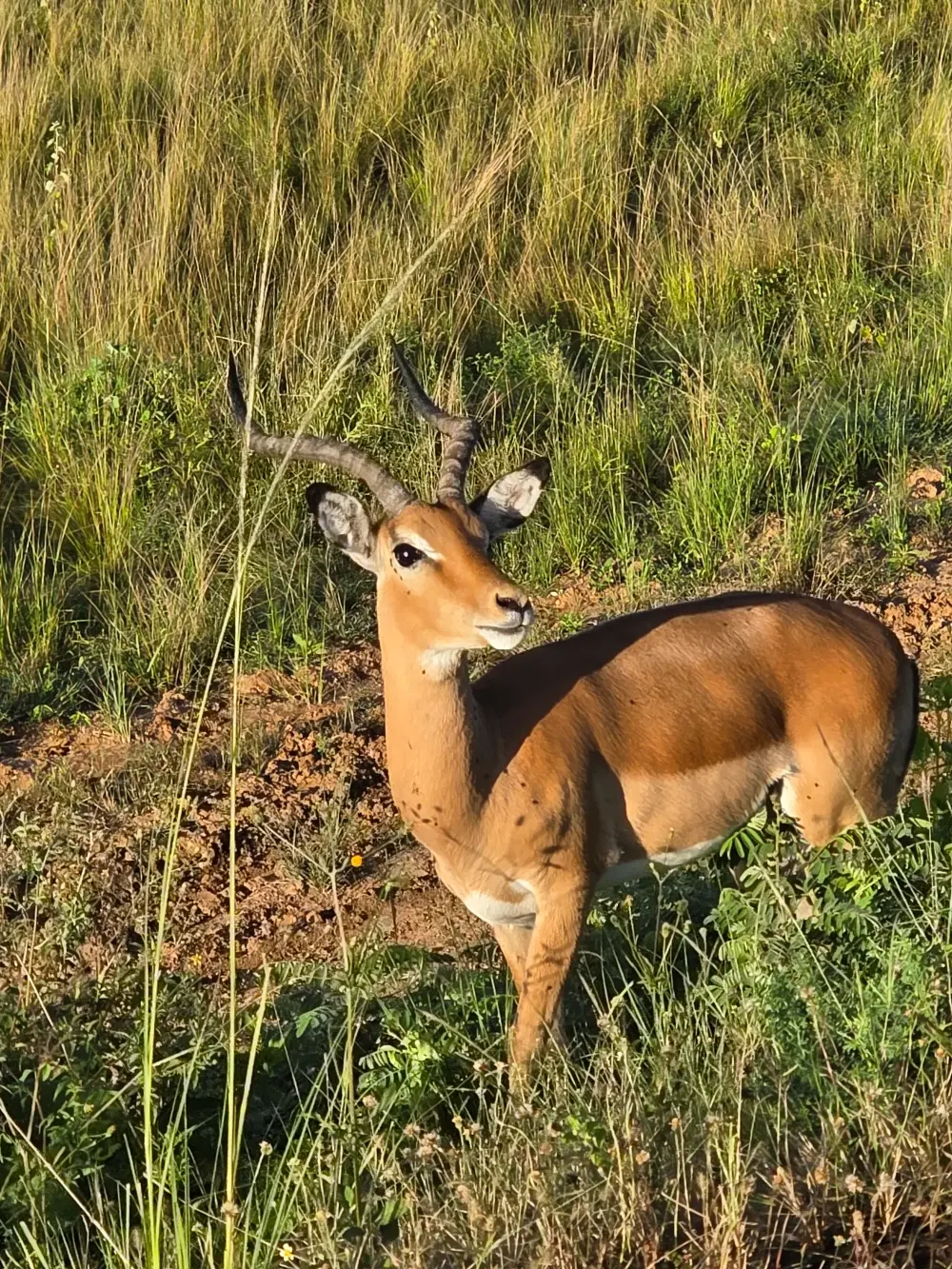
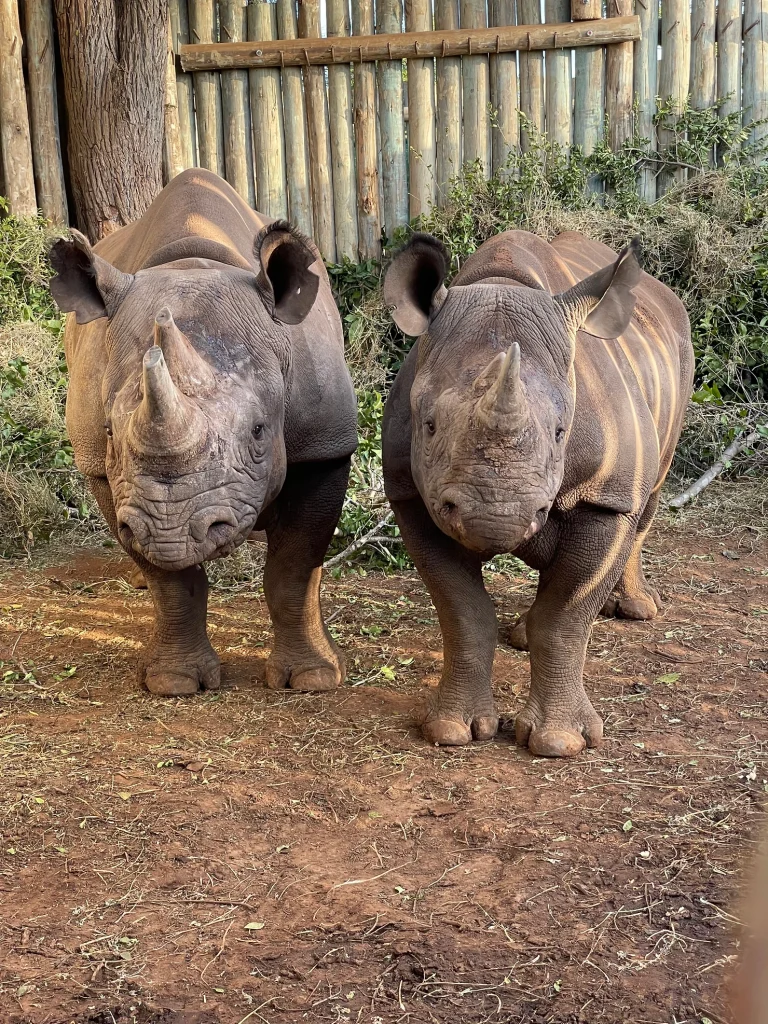
Later, on a game drive, I came to appreciate how much biodiversity now flourishes here. We spotted elephants, reintroduced in 2017, ambling through the savannah. A black rhino disappeared into the thickets, shy but unmistakably powerful. There were giraffes silhouetted against the hills, herds of springbok bounding across the plains, and even a glimpse of lions, absent from this part of the Karoo for nearly two hundred years, until Samara brought them back in 2014. The lions have helped restore balance to the food chain, curbing herbivore numbers and allowing grasslands to regenerate naturally.
And it’s not just the big species that matter. Samara is home to over 60 mammals, including rarities like aardvarks, pangolins, and the elusive black-footed cat. Even birds have returned in numbers—Cape vultures, blue cranes, and secretary birds among them. One evening, as I lay on a raised star bed by the Milk River, wrapped in a mohair blanket with the Milky Way blazing overhead, I heard the soft rustle of animals below. I felt weightless—anchored only by awe.
The landscapes themselves are wildly diverse. Samara spans five of South Africa’s nine vegetation biomes. There are mountain grasslands where Cape mountain zebra, blesbok and gemsbok graze; open plain savannahs, ideal for cheetah stalking; and thickets rich in kudu and rhino. There’s the Nama Karoo, rocky, wind-sculpted, and starkly beautiful, and shaded forest pockets alive with vervet monkeys and fruit bats. The reserve is also a haven for spekboom, a miracle plant that acts as a natural carbon sponge, sequestering carbon dioxide more effectively than most forests. Exploring these varied habitats, I couldn’t help but think: this is what Earth looked like before we began tearing it apart.


A sense of community and ethos of impact
But what makes Samara truly revolutionary is its community focus. This isn’t conservation in isolation. Local people are at the heart of the project, from trained field guides and hospitality staff to wildlife monitors and educators. Samara’s outreach programs work with nearby schools to teach environmental stewardship, planting the seeds of a conservation ethic for generations to come.
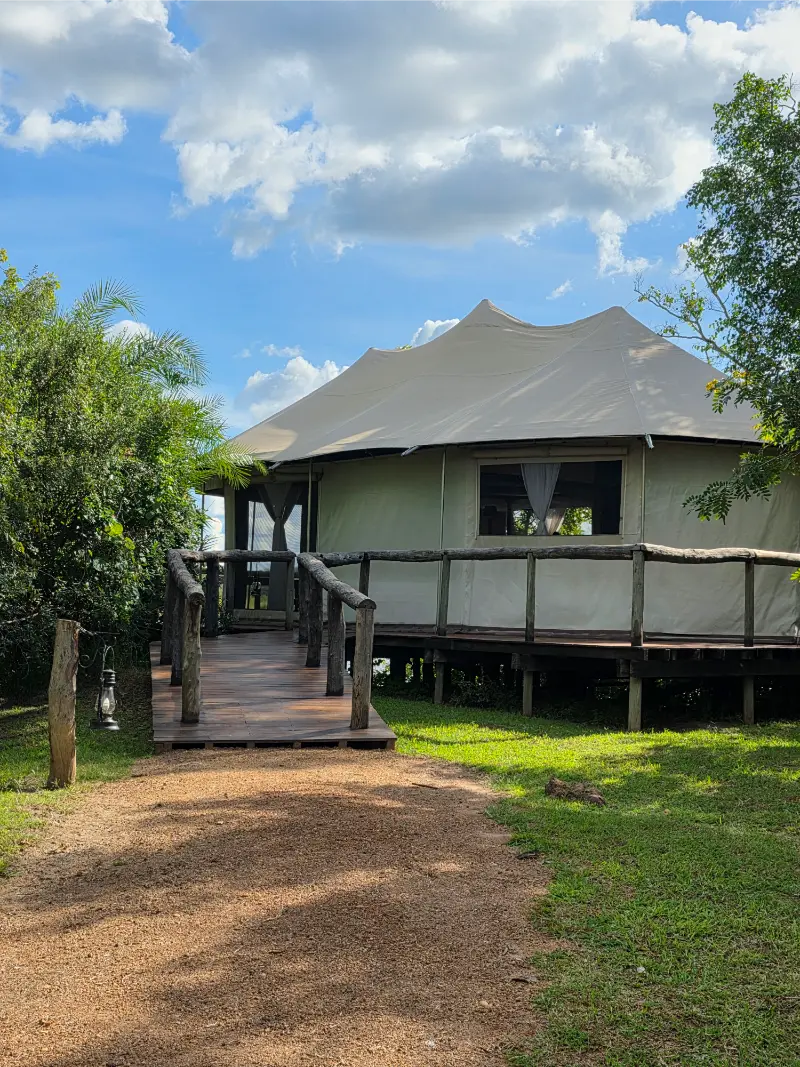
After a few days at Karoo Lodge, I visited Plains Camp, Samara’s newest and most immersive offering. Off-grid and solar-powered, it’s made for guests who want to unplug fully and reconnect, with the land, and themselves. Four tents overlook an untouched valley, and days revolve around walking safaris and slow, deliberate observation. There’s no Wi-Fi, no electricity, and no pretence. Just the honest experience of wildness.
As my stay drew to a close, I joined one last game drive. We didn’t see lions or elephants that day, but we did watch a group of eland descend a rocky slope in the golden hour light. I noticed how the grass shimmered where it had once been barren, how trees were pushing back against past neglect. The silence wasn’t emptiness; it was peace.
Samara is still evolving. Plans are underway to expand the reserve by another 4,000 hectares and create a wildlife corridor that would create a link to both Camdeboo and Mountain Zebra National Parks. It’s part of a visionary dream to restore ancient migration routes and reclaim more land for nature.
Leaving Samara felt like leaving a sacred space. It’s rare to encounter a place where conservation isn’t just a backdrop, but the main narrative, and where every guest becomes part of that story. As I looked around me one last time, I realised Samara had done something profound. It had rewilded not just the land, but me.

How Explora Journeys is changing what it means to travel in style For decades, luxury
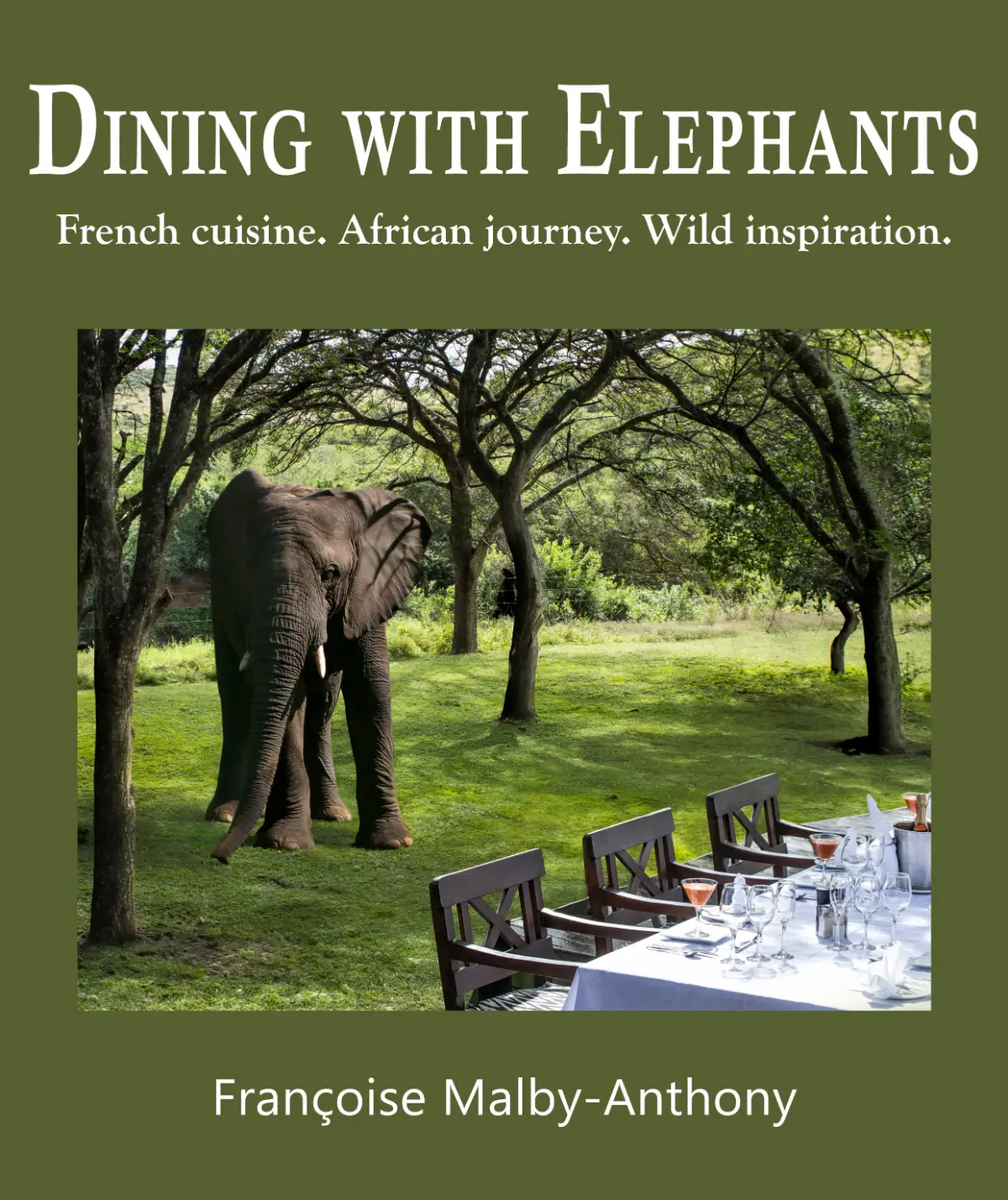
Words by Robbie Stammers A blonde, chic Parisienne, Françoise never expected to find herself living
Words by Yvonne C. Mtengwa In my line of work as a travel writer and
Word by Yvonne C Mtengwa I was well prepared to surrender to the vastness of

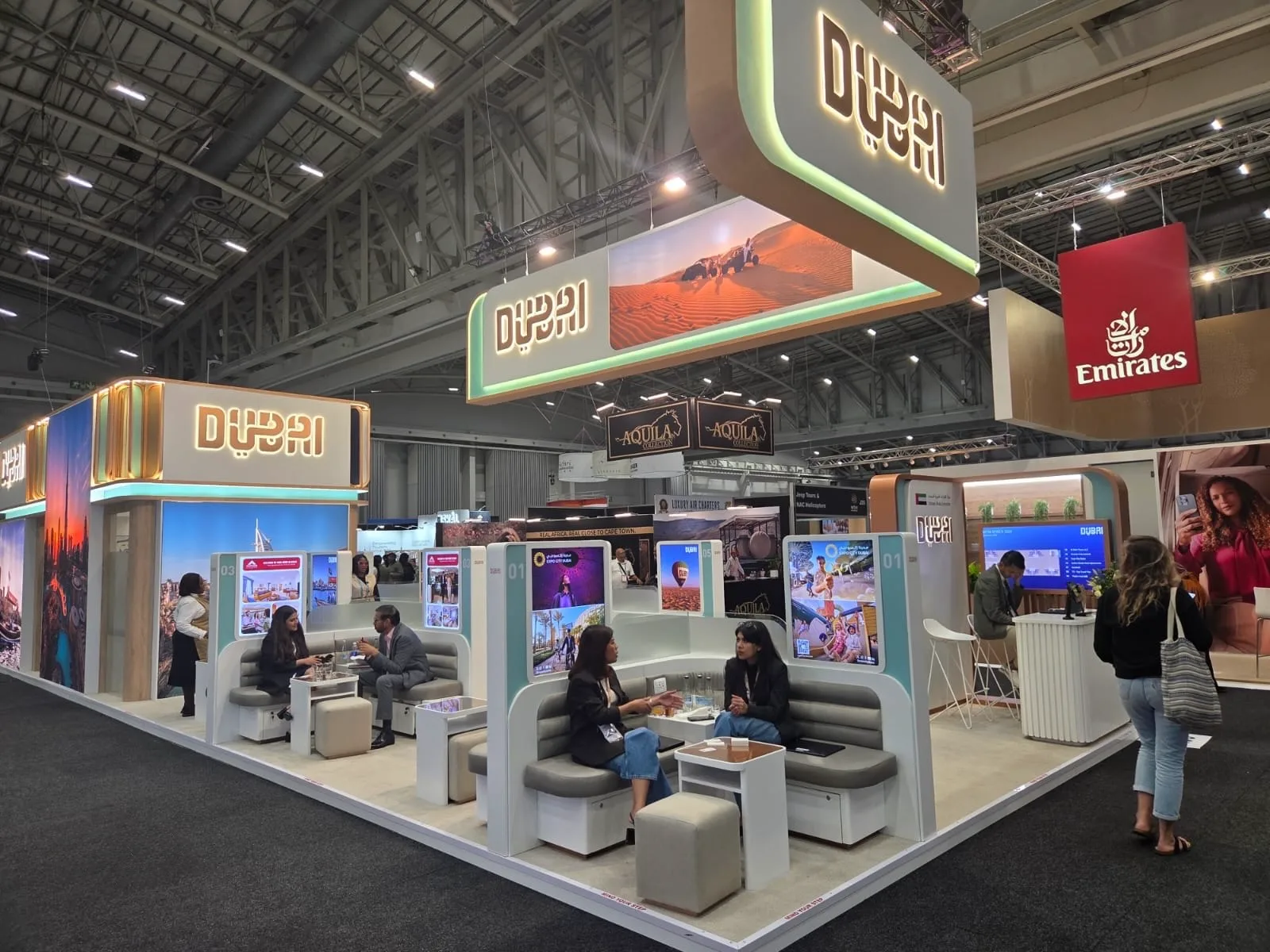
The Dubai Department of Economy and Tourism (DET) participated in World Travel Market (WTM)
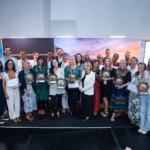
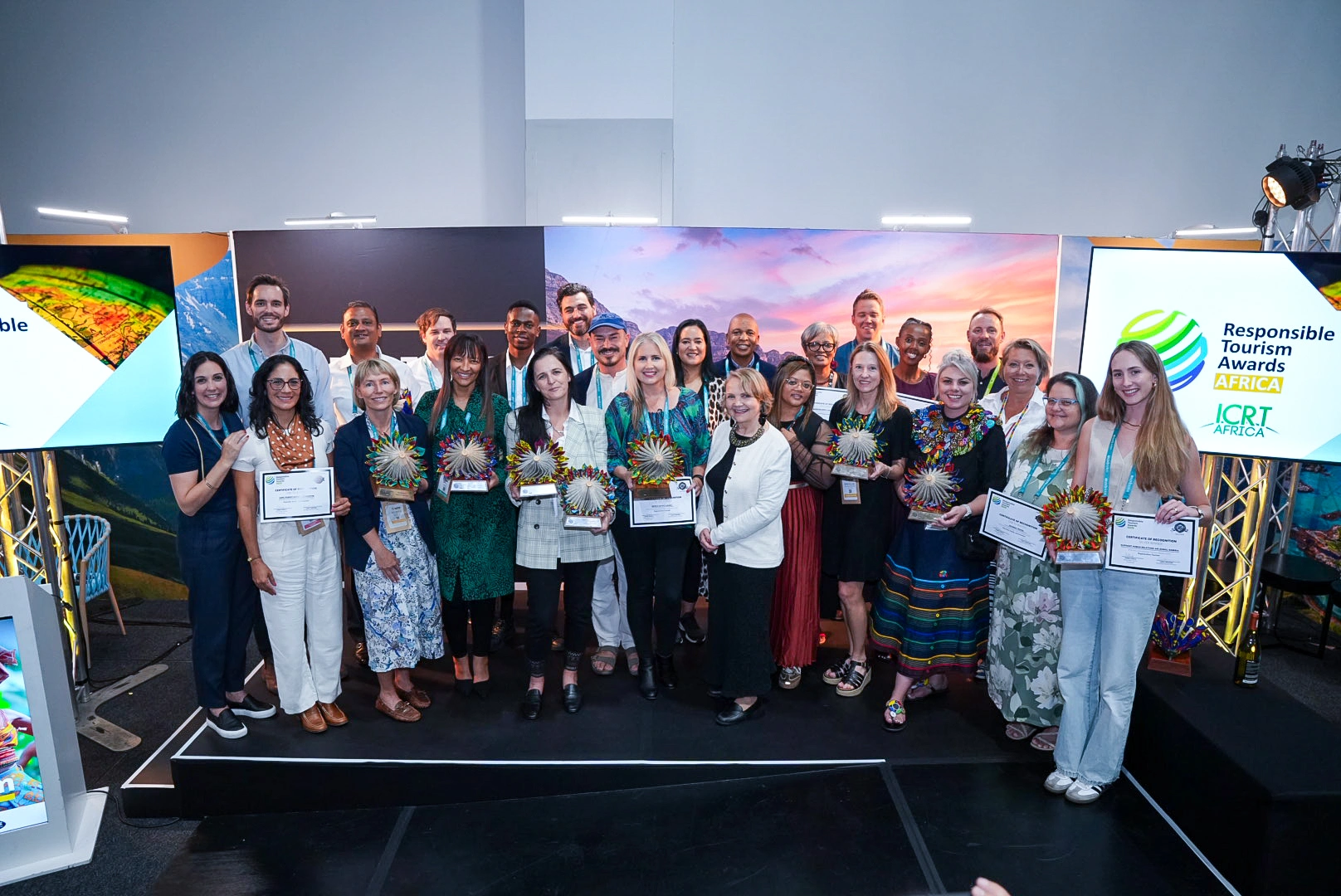
The WTM Africa Responsible Tourism Awards 2026 were presented on Wednesday 15th April at the