




Raw, Rooted and Real: 7 Reasons Nanzhila Lake Camp Captures the Essence of Adventure
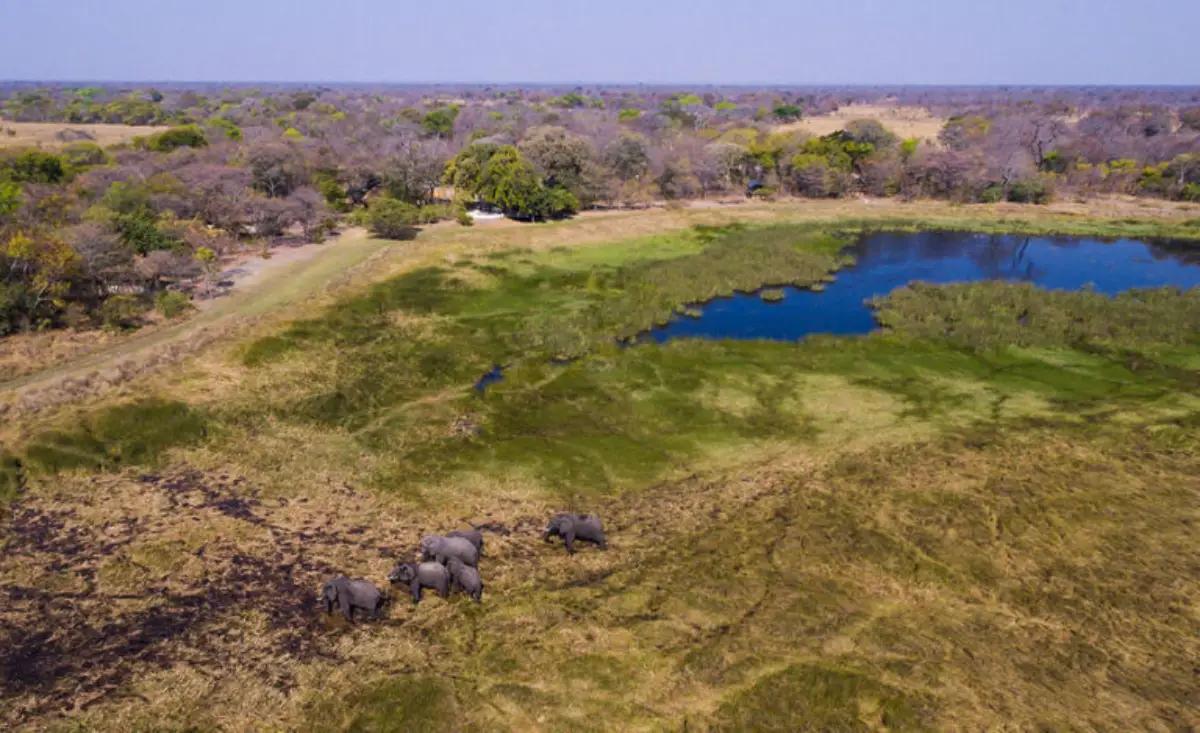
On a wild shoreline where the Musa River meets Lake Itezhi-Tezhi, a small camp in

Words by Sarah Kingdom
No matter how many times you are lucky enough to see mountain gorillas in the wild, the experience never loses its magic. There’s always something incredibly special about finding yourself in the middle of an ancient African forest, just a few metres away from these magnificent animals, watching them go about their daily lives. Maybe it’s the sheer size of the silverback, the gentleness of a mother with her baby, or the antics of the youngsters playing in the undergrowth. Whatever it is, every encounter feels different, and I don’t think I’ll ever tire of spending time with these extraordinary creatures.
In Uganda’s Bwindi Impenetrable Forest, the experience begins early in the morning. The air is cool and damp, the forest is slowly waking up, and there’s a familiar sense of anticipation as you prepare for the trek. After a briefing from the guides and trackers, we set off into the forest, not knowing quite how long it will take to find the gorillas or where the morning will lead us.
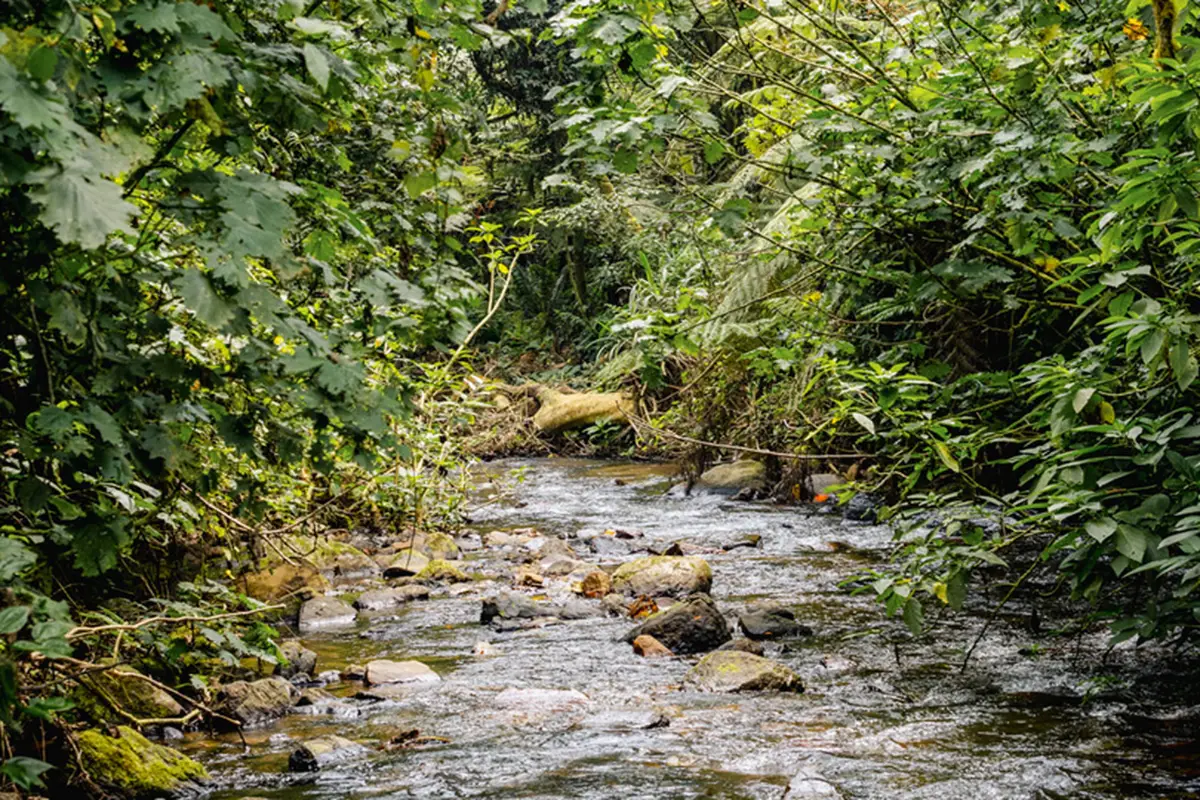
Bwindi is an extraordinary place. Ancient trees rise above a dense tangle of vines, ferns and undergrowth, and the forest floor is slippery beneath underfoot. The trails are steep in places, and there are moments when you have to push your way through vegetation or hold on to branches to negotiate the hillside. This is not a gentle stroll, but that’s all part of the appeal. You feel wonderfully removed from the outside world, surrounded by the sights and sounds of a forest that has existed for thousands of years.
Our trackers were remarkable, moving through the vegetation with an assurance that comes from knowing the forest intimately. They’d been following the gorillas’ movements and communicating with other trackers who were already out in the park. We followed their lead, stopping occasionally to listen and look for signs of where the family might be.
The anticipation built with every step. We knew the gorillas are somewhere nearby, but you had no idea whether we’d find them around the next bend or after several more hours of walking. And then, suddenly, they were.
It’s a wonderful moment when you first spot them. Even if you’ve experienced it before. You cann’t help but feel a little surge of excitement.
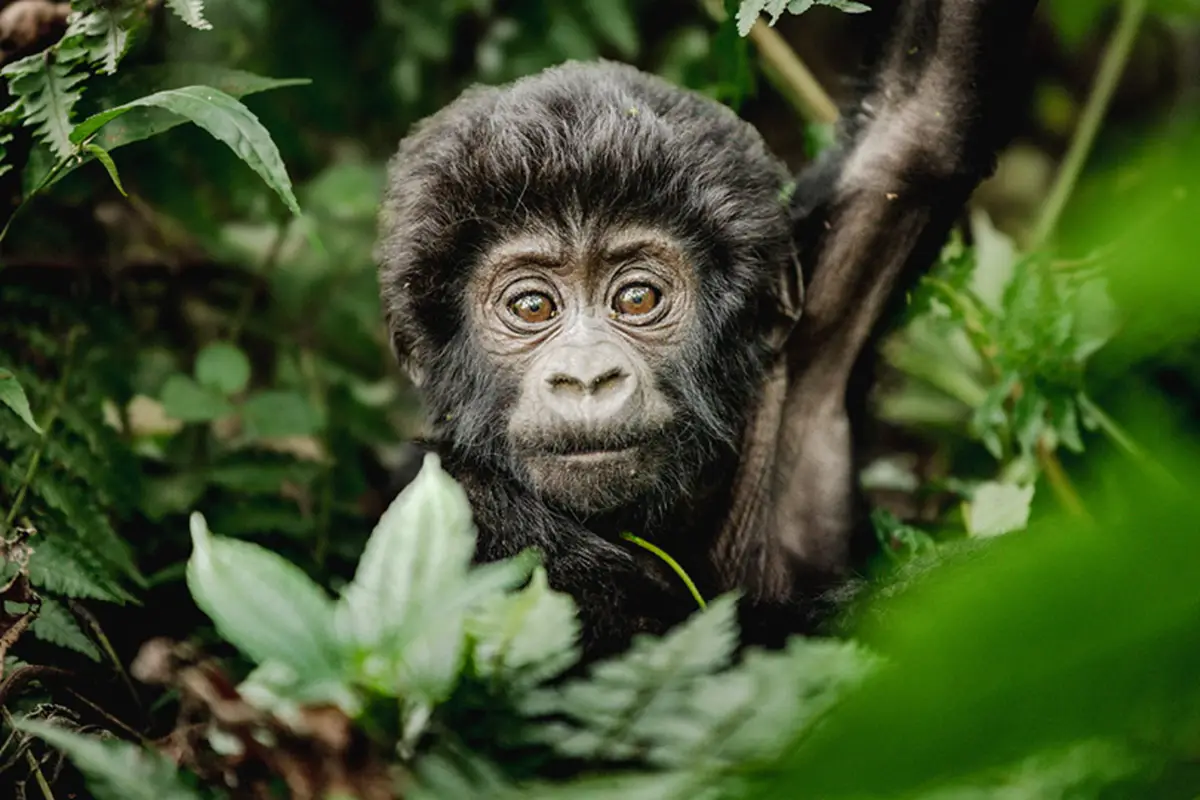
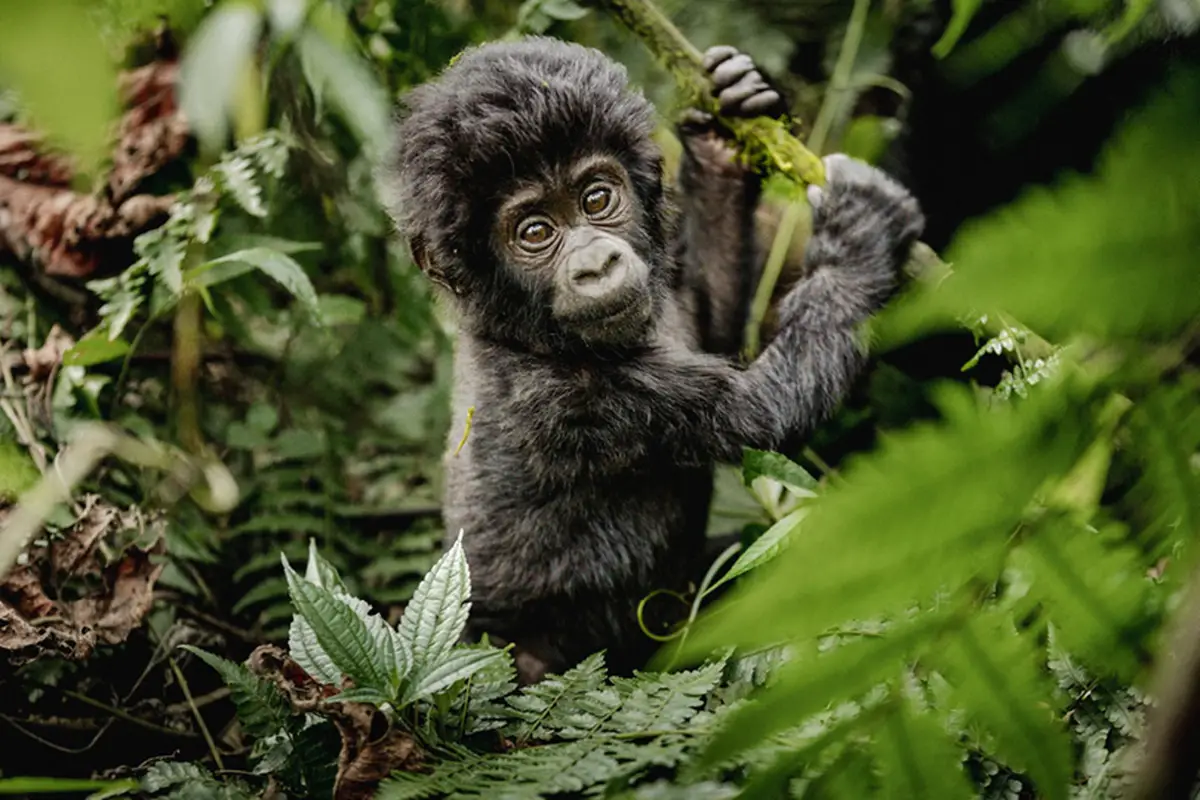
There in the forest sat a magnificent silverback, sitting quietly amongst the greenery, while nearby other members of the family fed and moved through the undergrowth. There was a youngster playing, swinging in the thick vines hanging from one of the giant trees. There was a mother keeping a watchful eye on her baby. Meanwhile a pair of teenagers tumbled in the undergrowth. Their size was impressive, but it was their expressions and interactions that were the most captivating.
What strikes you, is how completely natural everything feels. The gorillas were not performing for us or particularly interested in our presence. They were simply carrying on with their lives; eating, grooming, playing and looking after one another. Watching them interact, I find myself fascinated by the small details: the expressions on their faces, the gentleness with which a mother handles her infant, and the playful curiosity of the younger gorillas.

We were allowed one hour with the family, and it flew past way too quickly. There was so much to take in, and I hardly know where to look. One moment I was watching the silverback, the next a youngster was doing something amusing in the vegetation, while a mother and her baby sat quietly together. I could happily spend all day just watching them. There’s something humbling about the experience. You are a visitor in their world, and being allowed such a close glimpse into their lives is an extraordinary privilege.
After the trek, we return to Erebero Hills Lodge, with muddy boots, tired legs and that wonderful feeling of having spent time somewhere truly special. It’s difficult to imagine a better place to recover from the morning’s adventure.
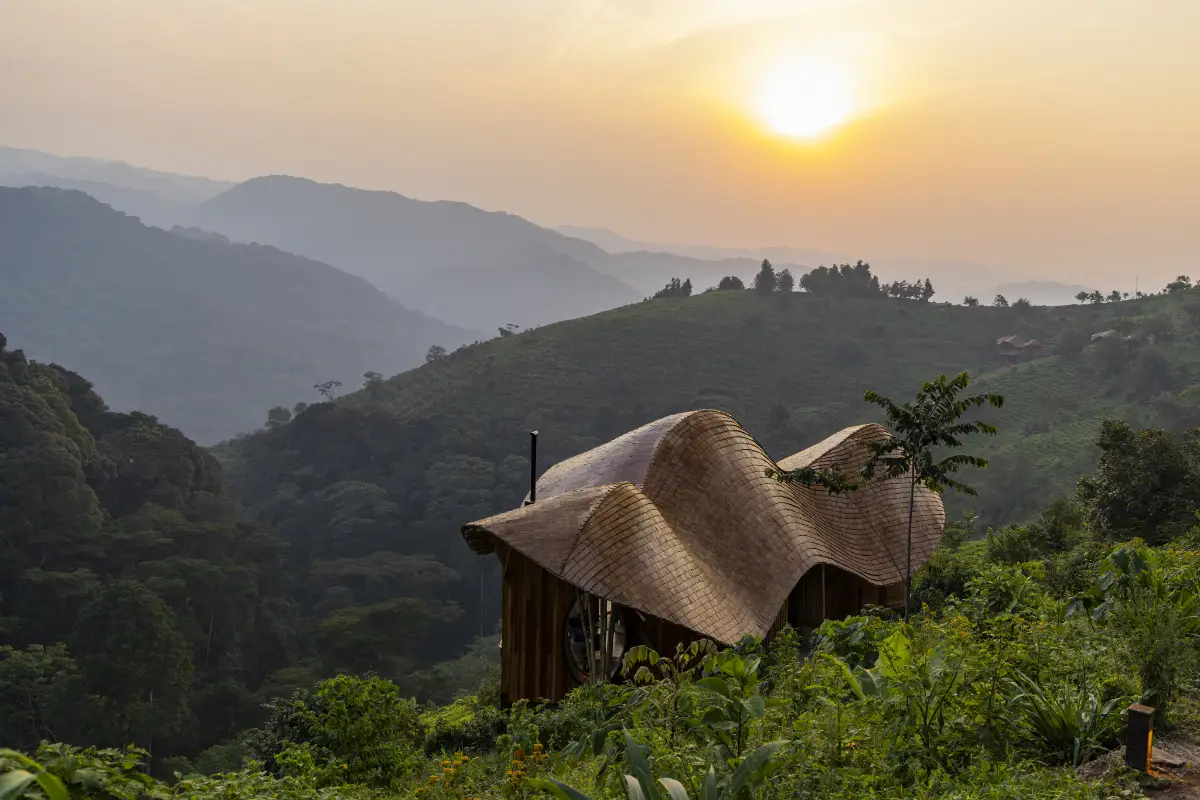
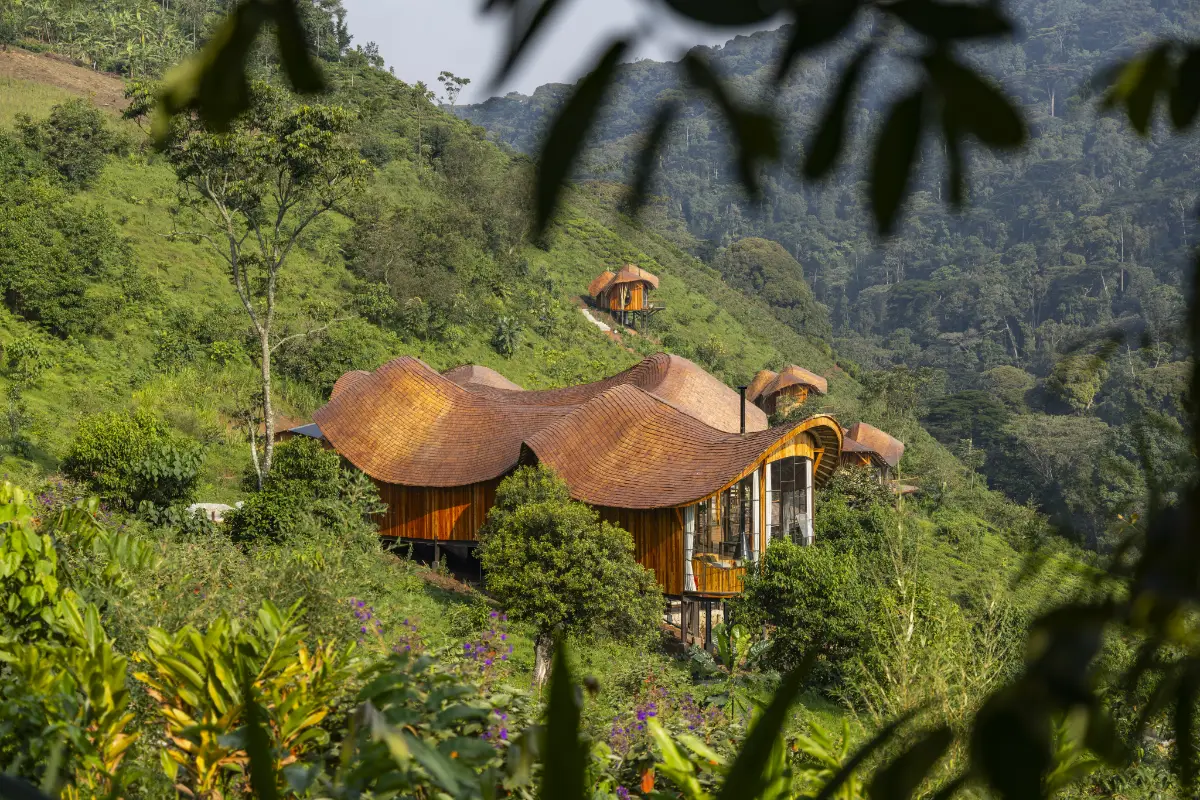
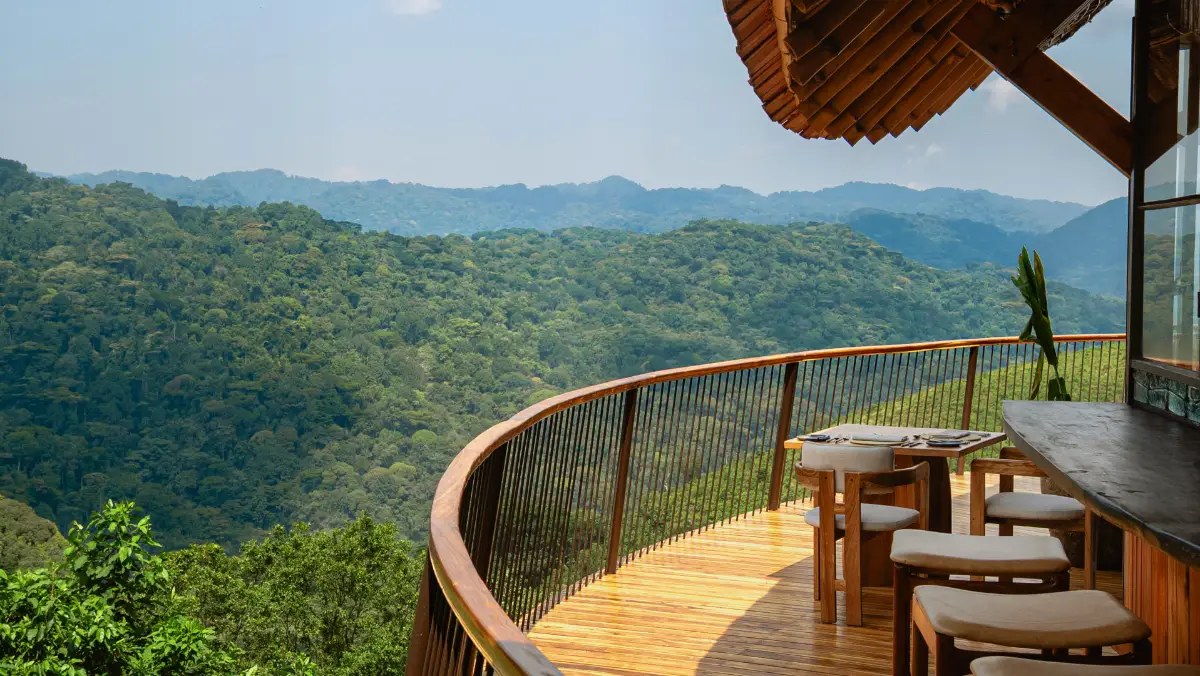
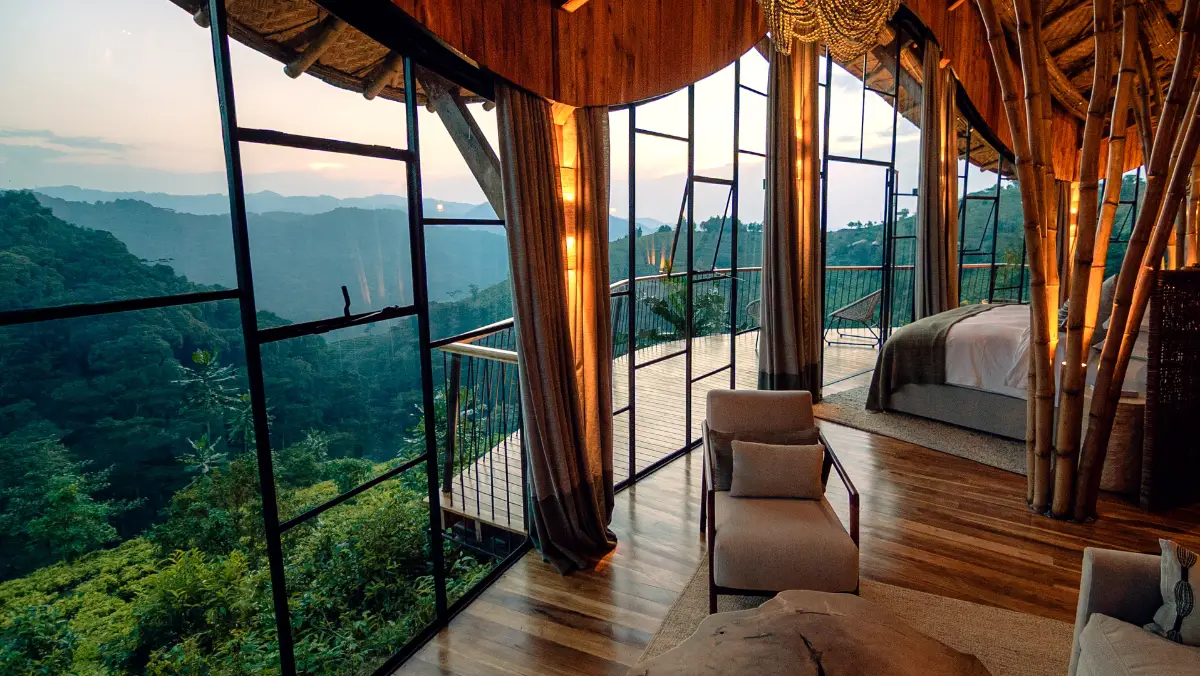
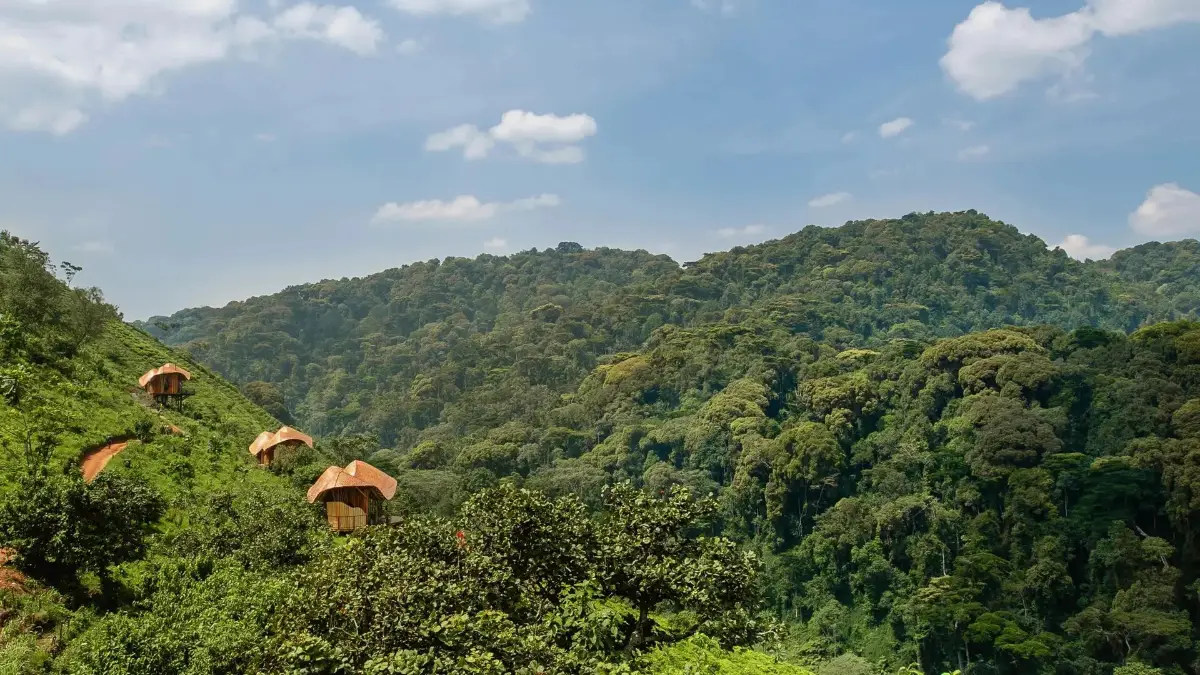
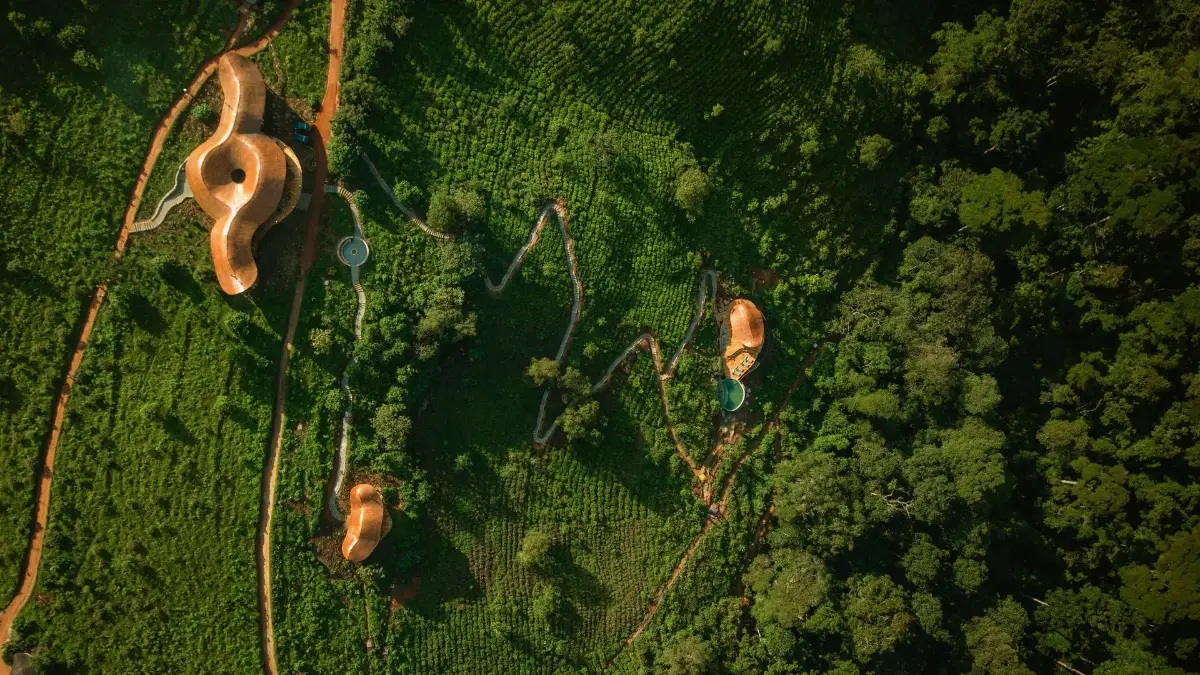
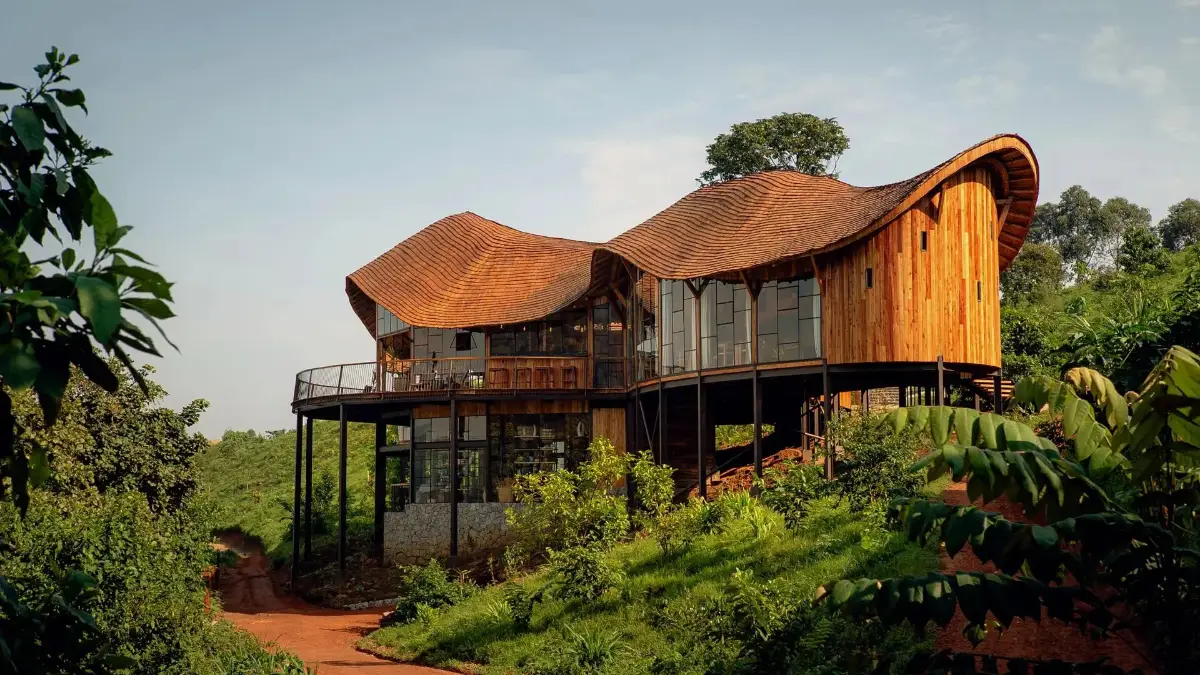
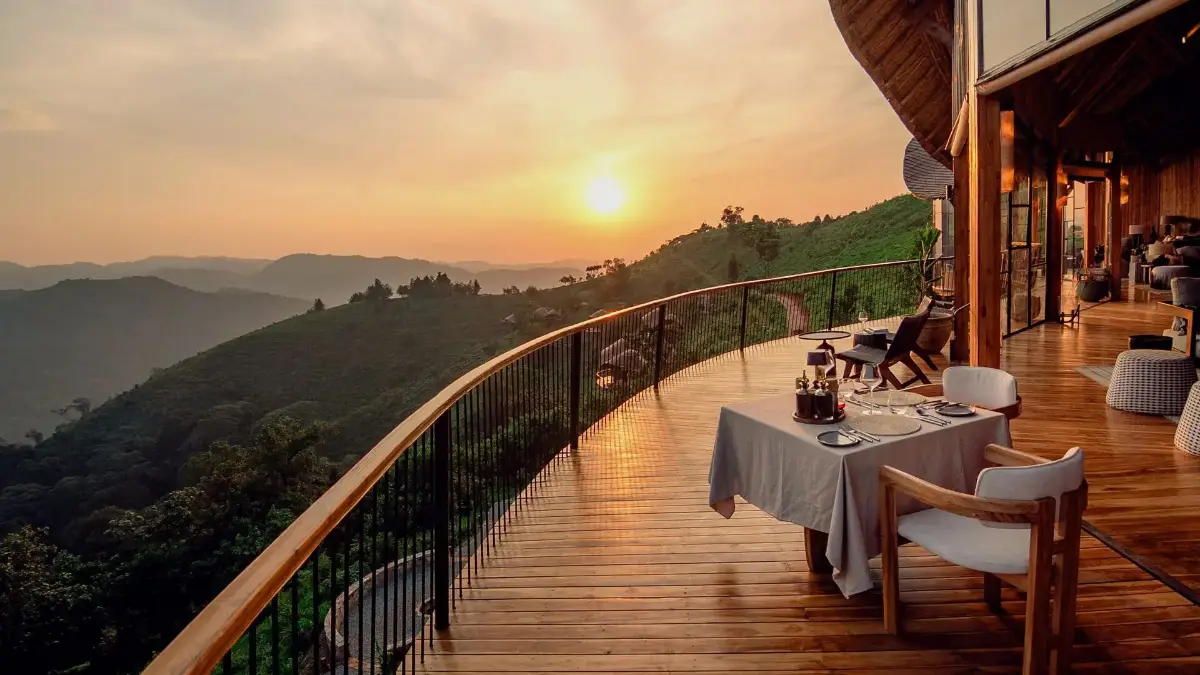
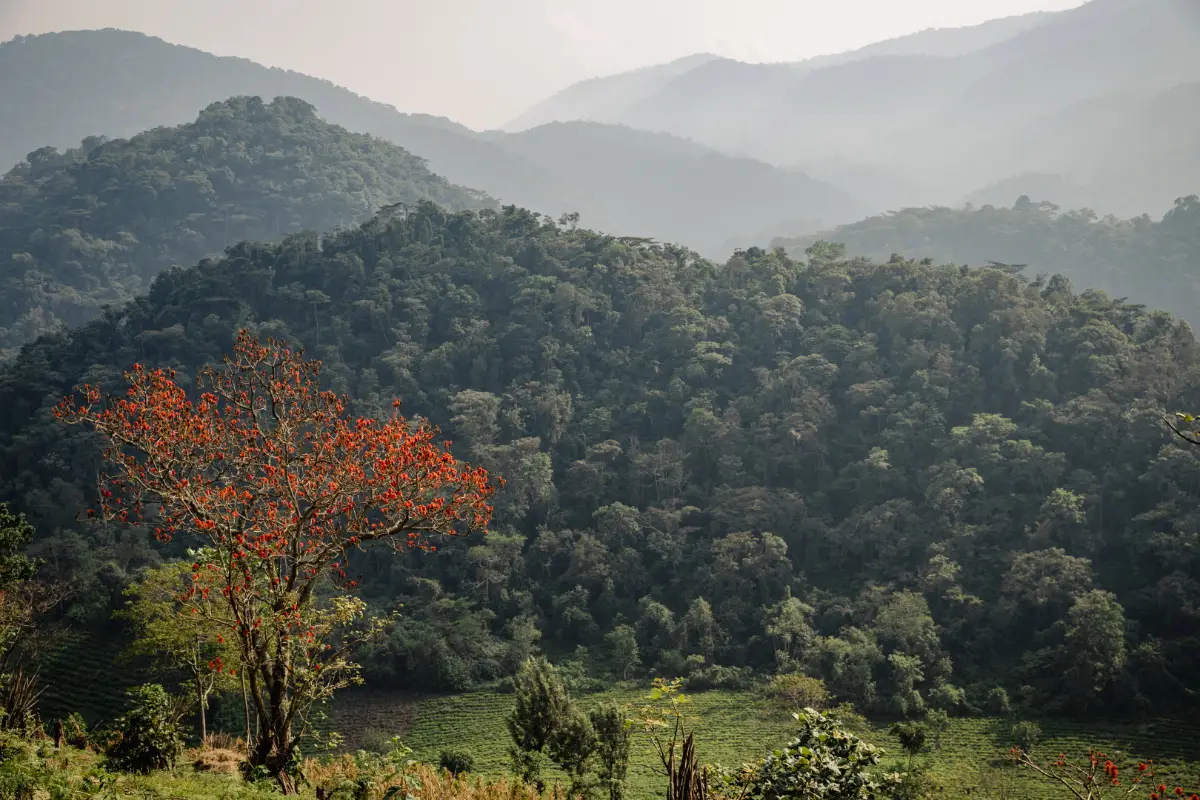
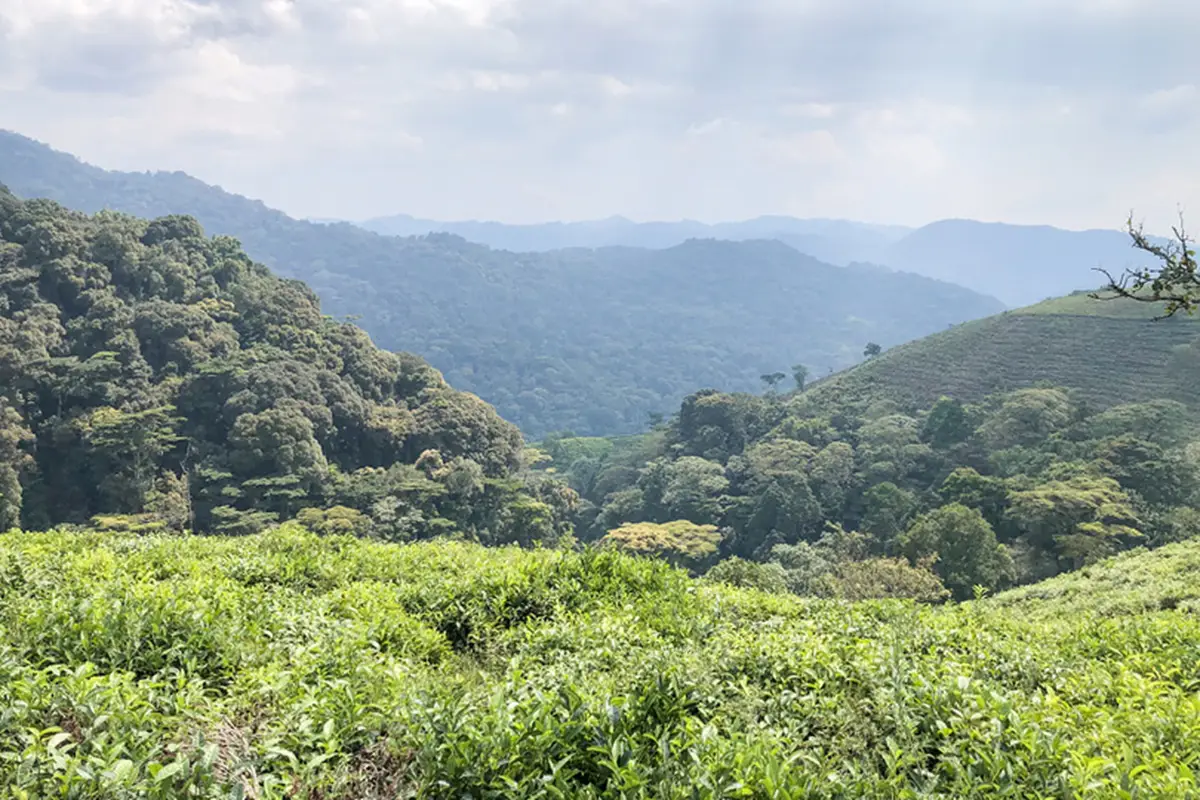
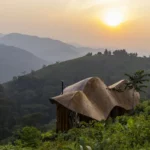
Perched on the northern edge of the Bwindi Impenetrable Forest in south western Uganda, Erebero Hills is the first Ugandan property from Asilia Africa, which opened the lodge in August 2026. Its name comes from a local word meaning ‘a place where you can see far’, and the views make the meaning immediately obvious. Sitting high above the forest, the lodge looks out across a beautiful succession of green hills and valleys, with the ancient forest stretching away into the distance.
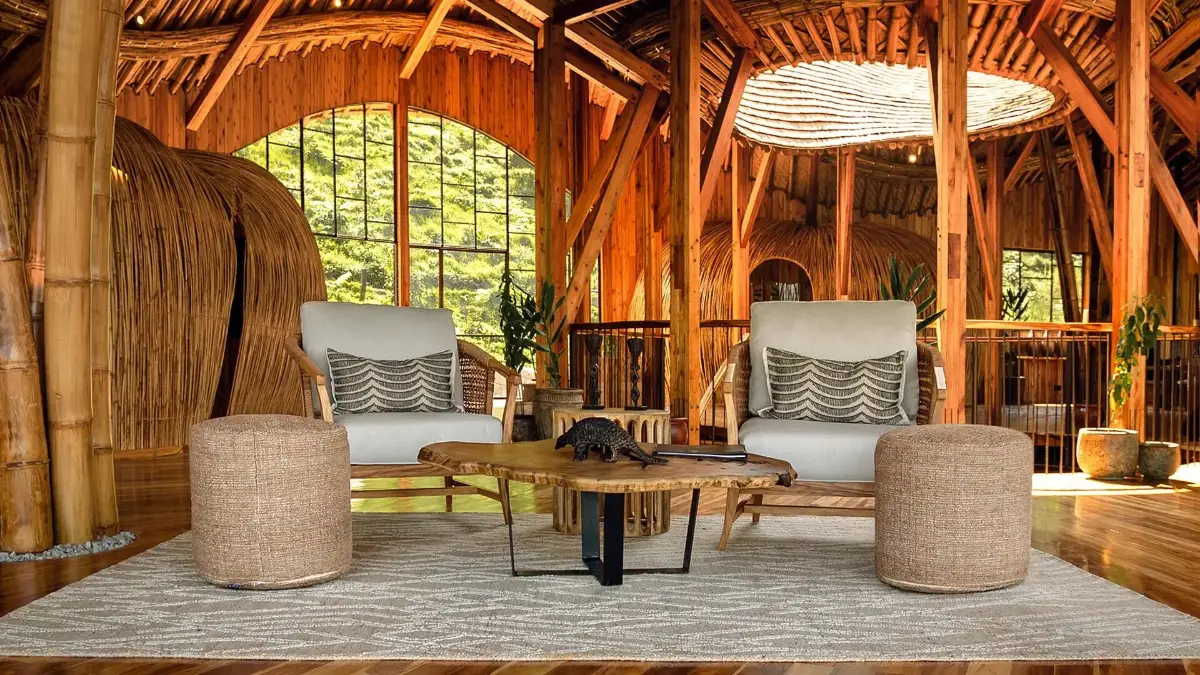
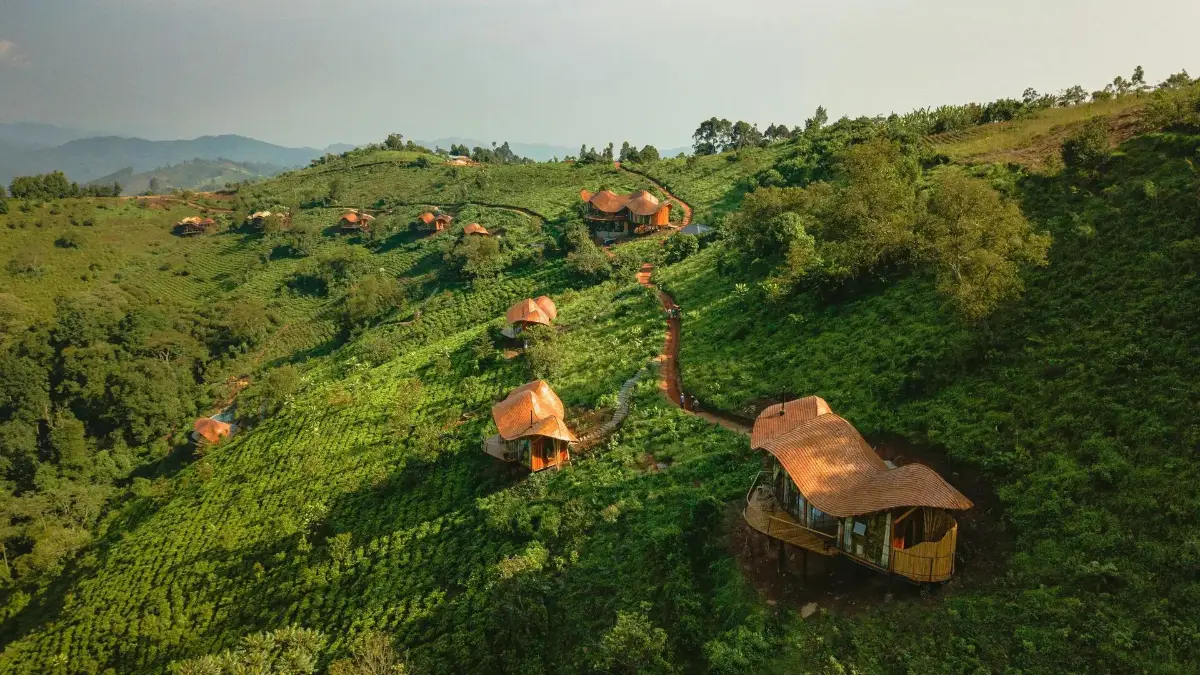
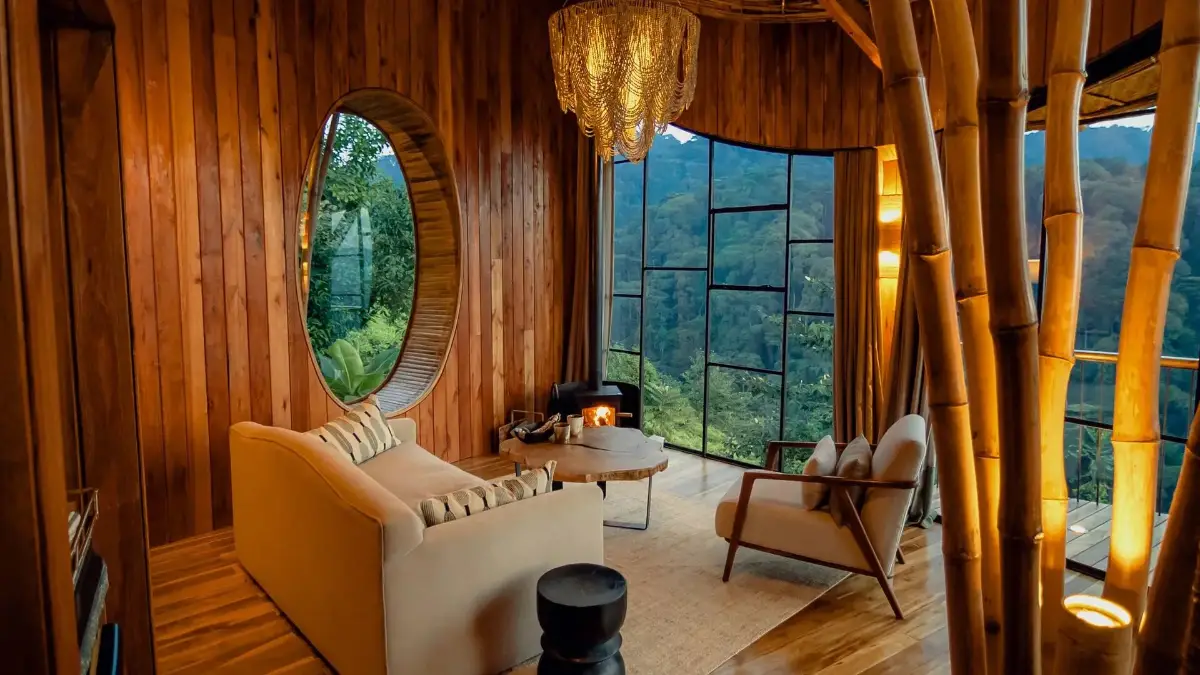
It’s the sense of space and the quiet here that’s particularly special. Bwindi is an intense place, both physically and emotionally, and after the excitement of seeing the gorillas, returning to somewhere peaceful feels just right.
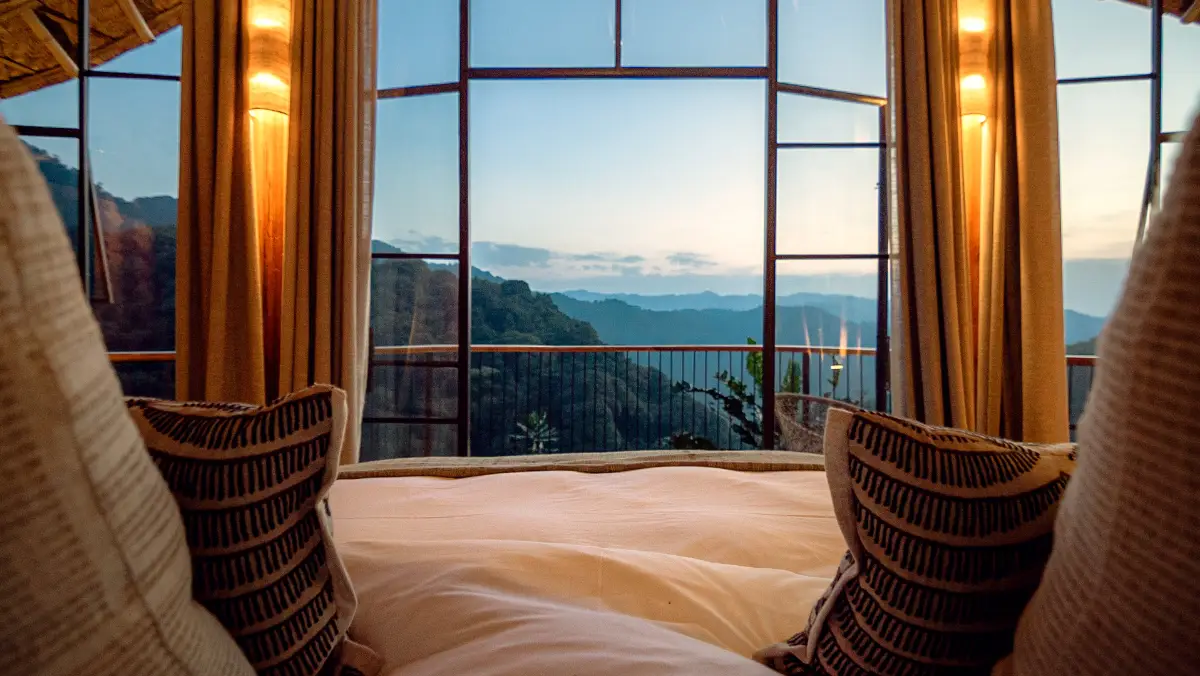
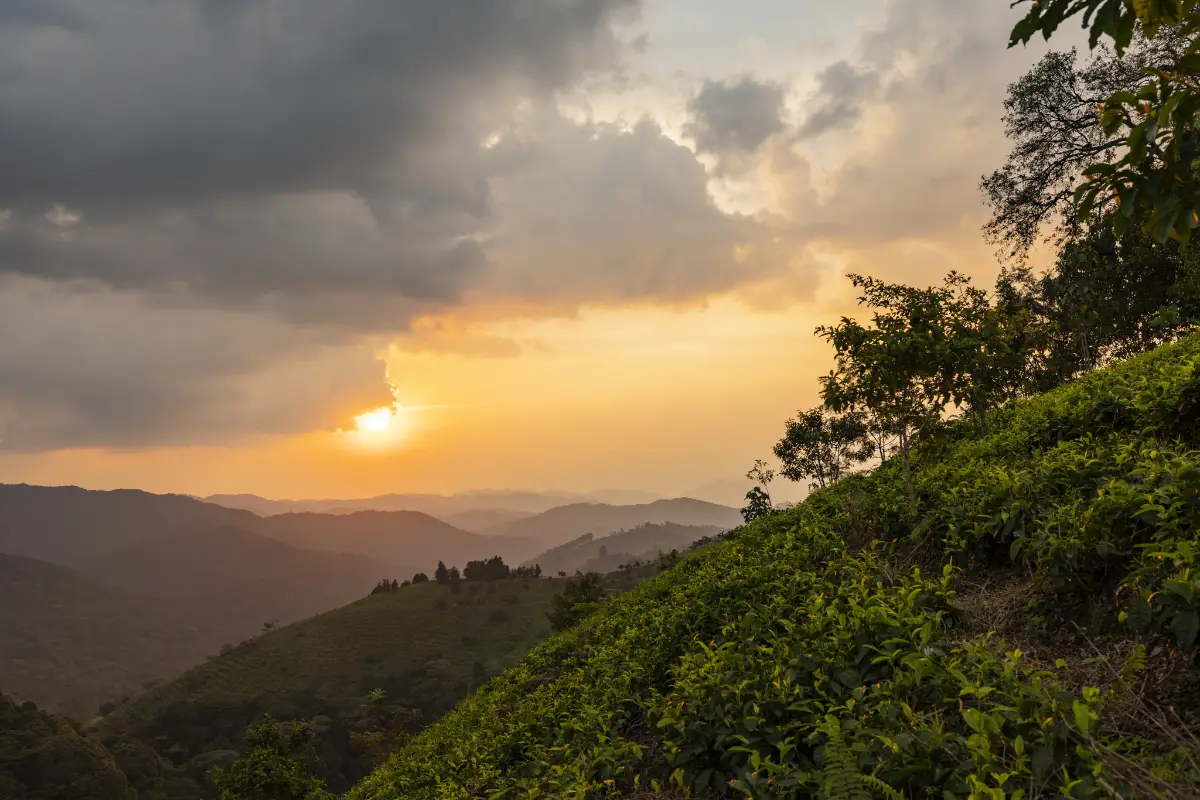
From almost every vantage point at the lodge, the landscape takes centre stage. The hills change colour as the light moves across them, and mist drifts through the valleys, sometimes revealing the forest in its entirety and sometimes hiding it almost completely.
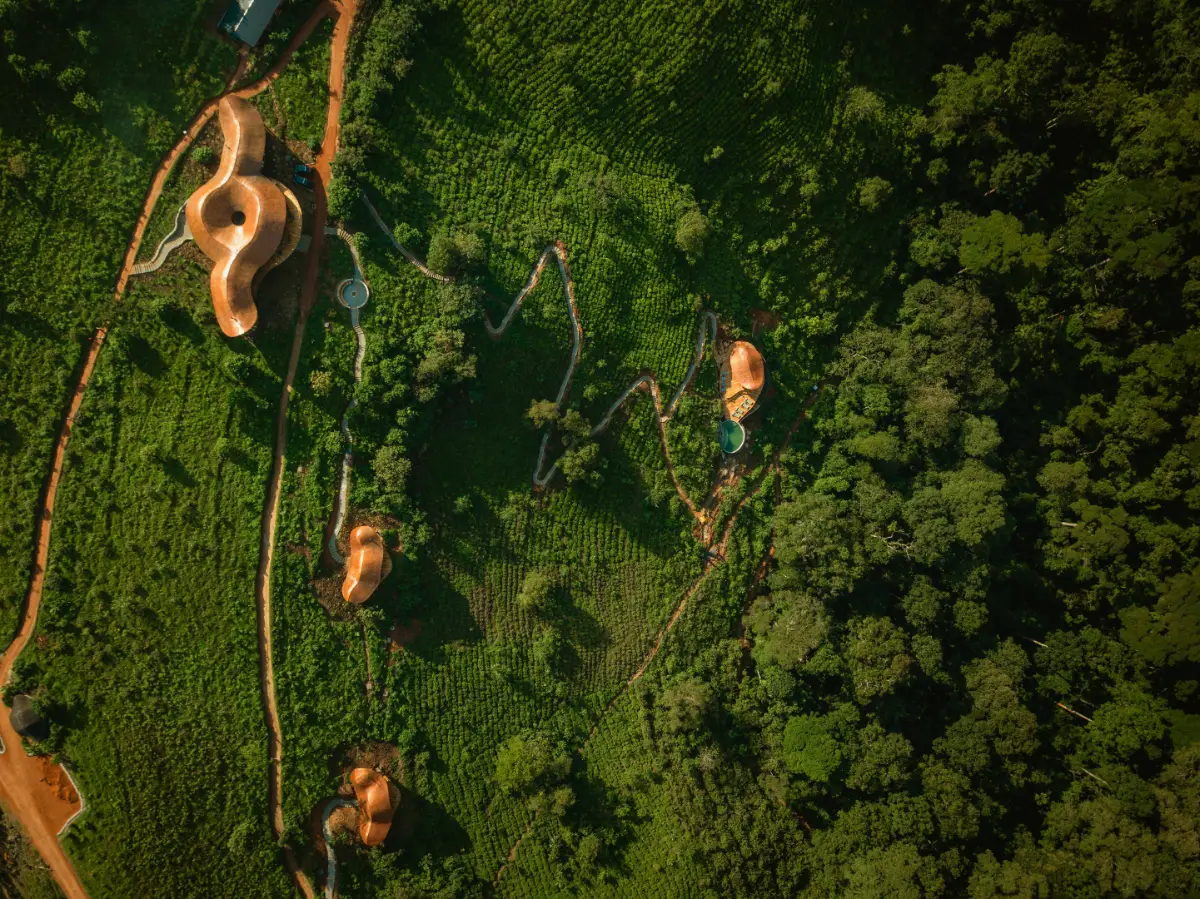
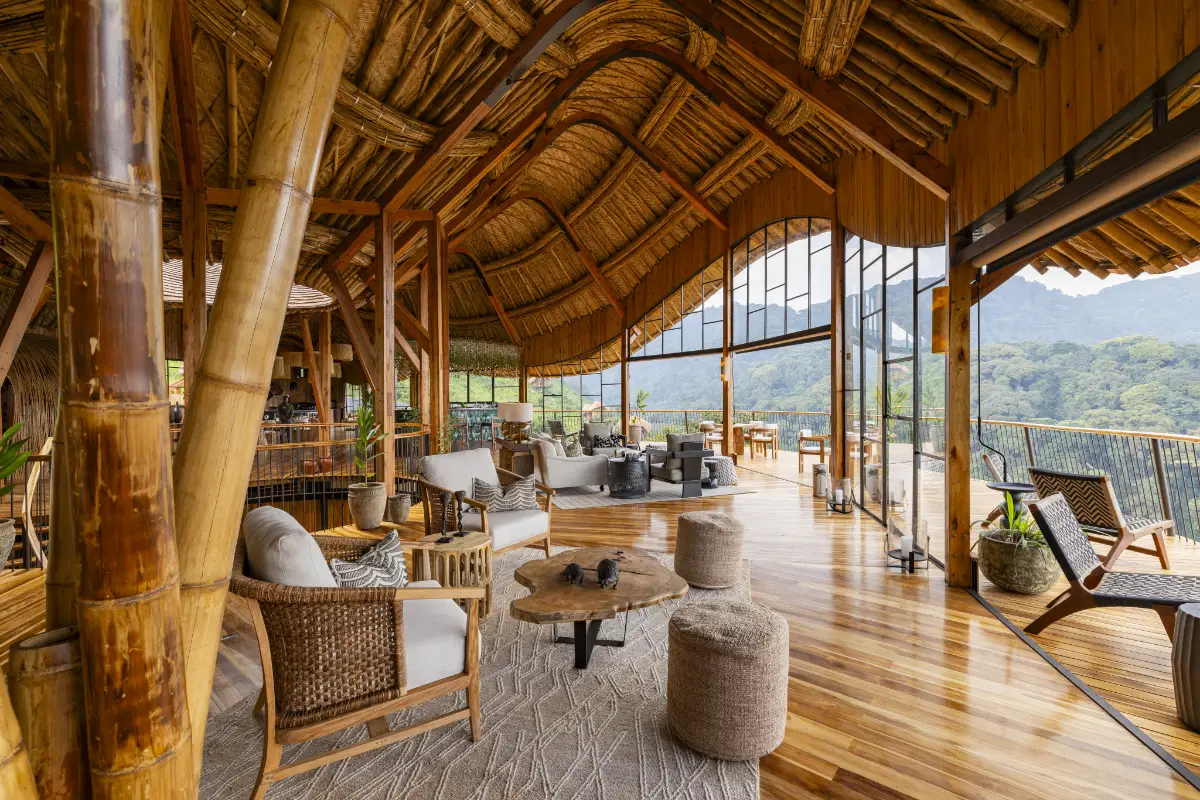
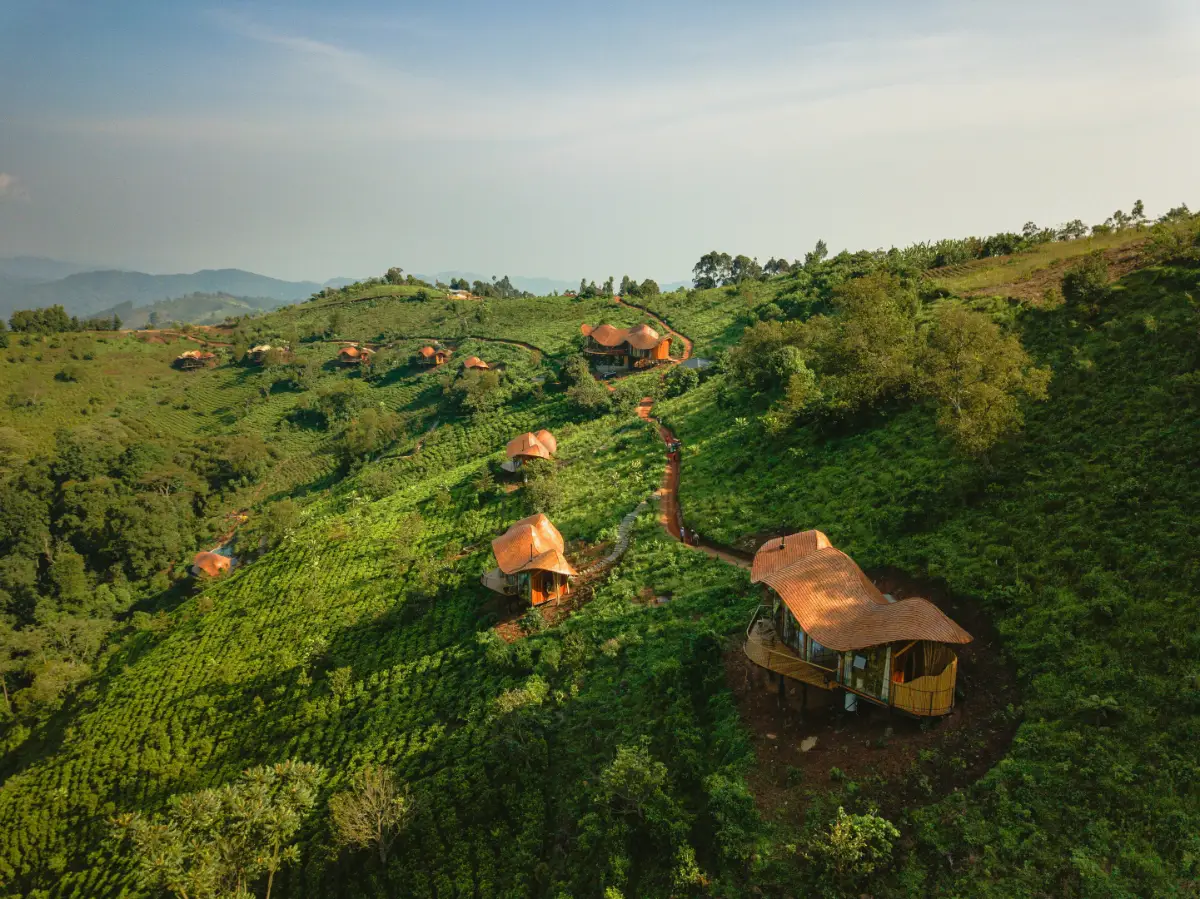
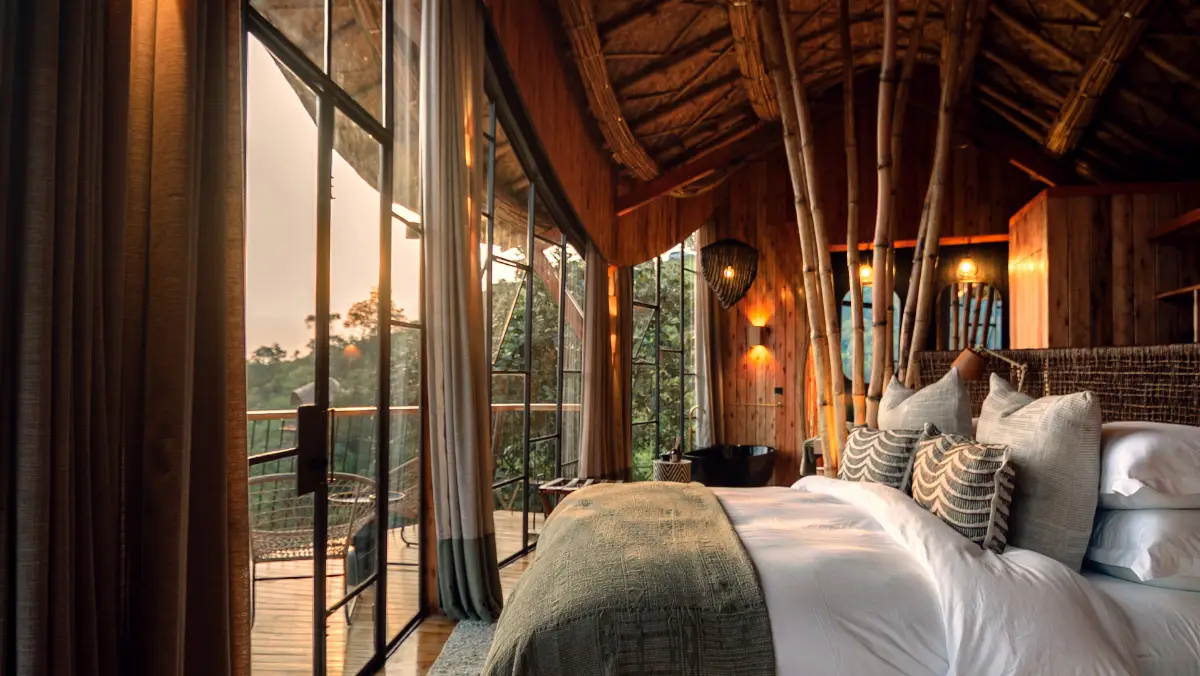
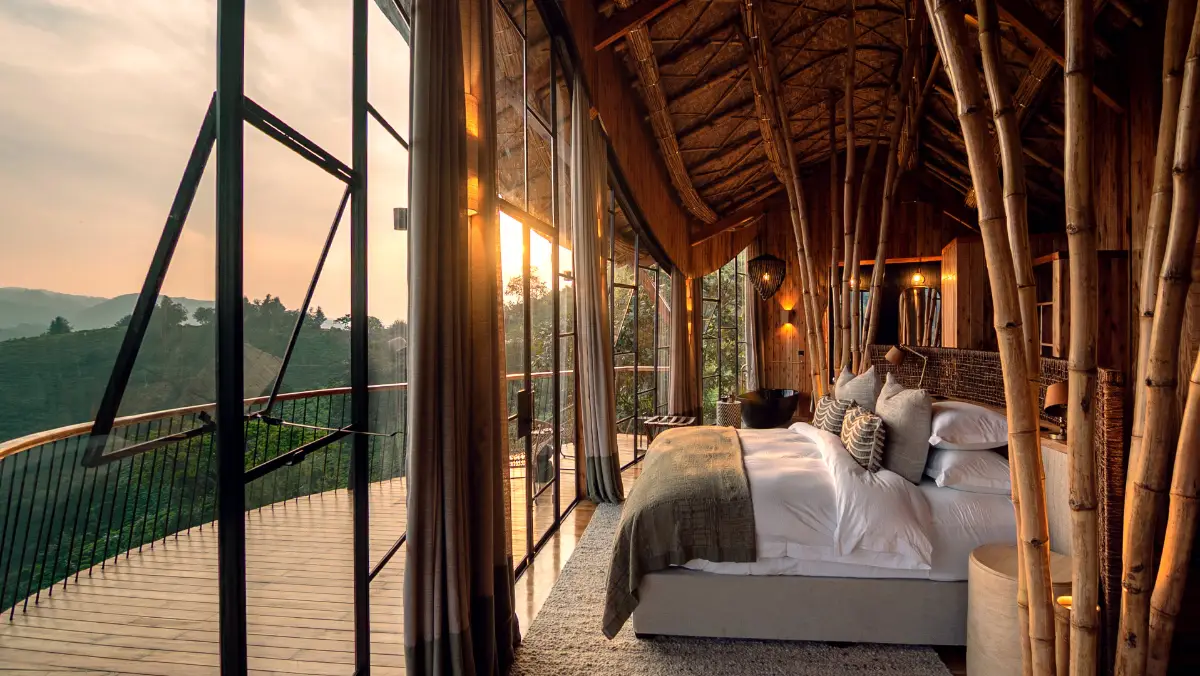
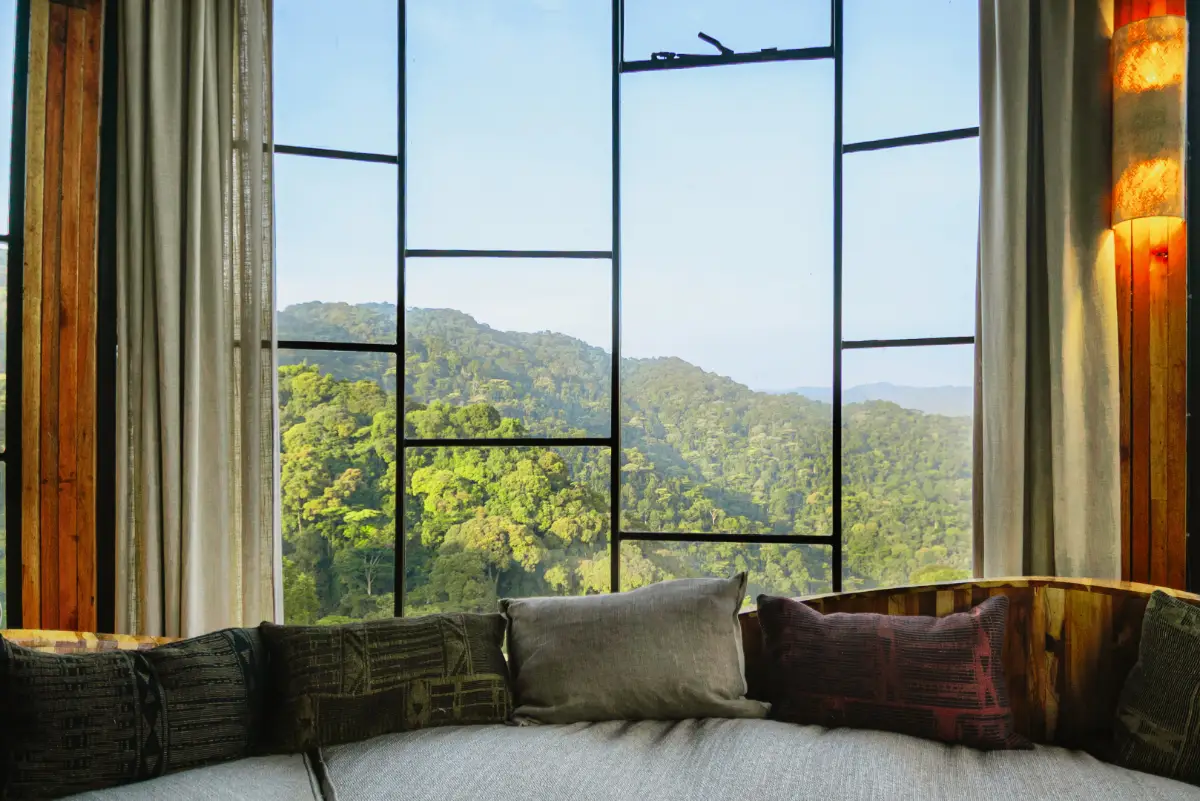
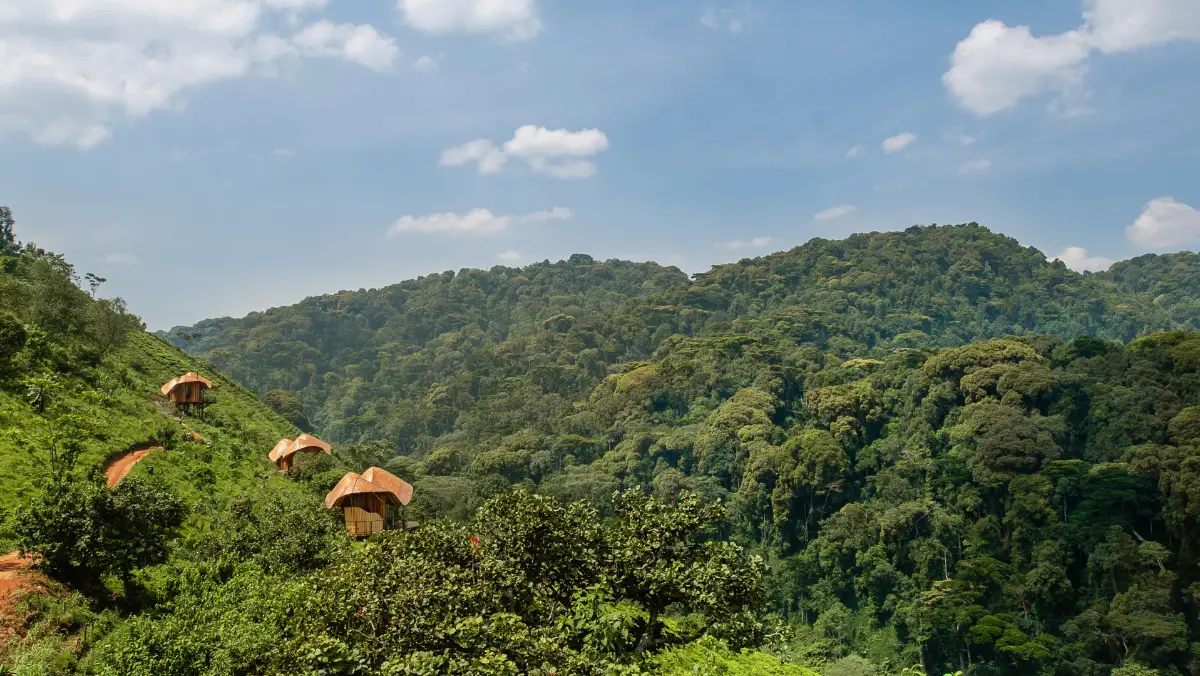
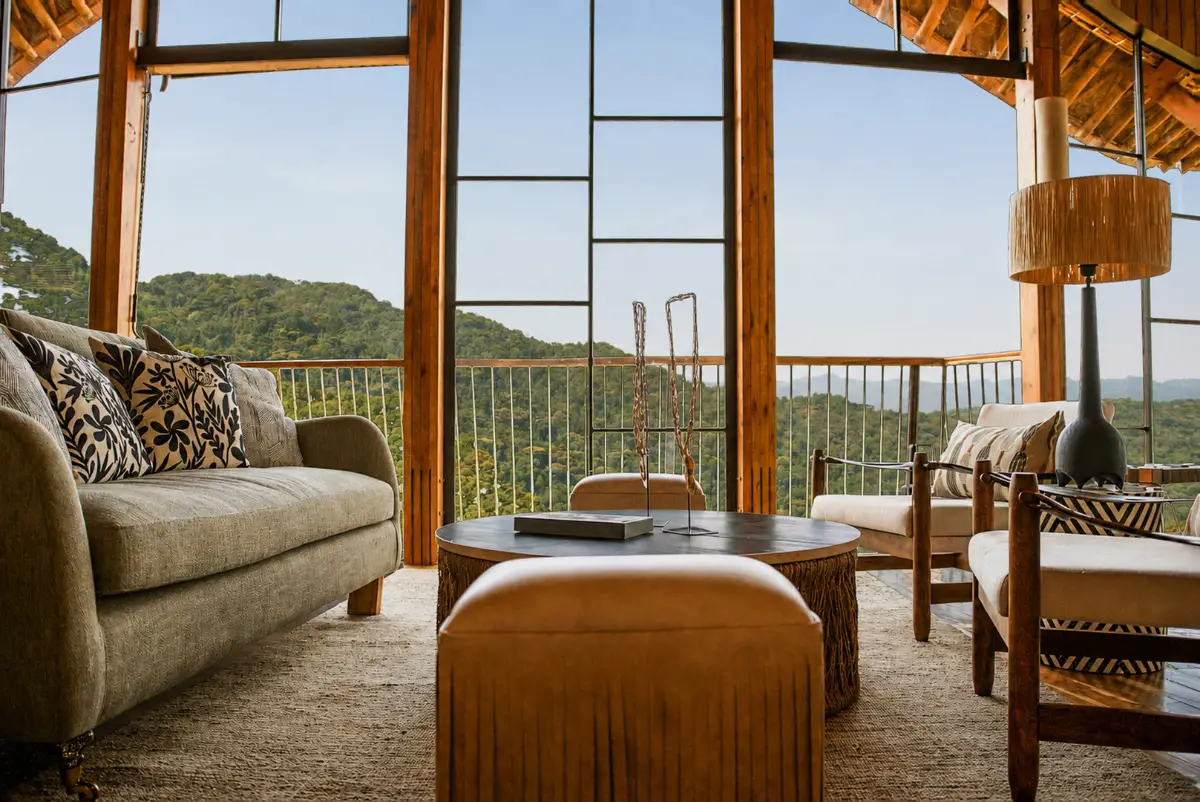
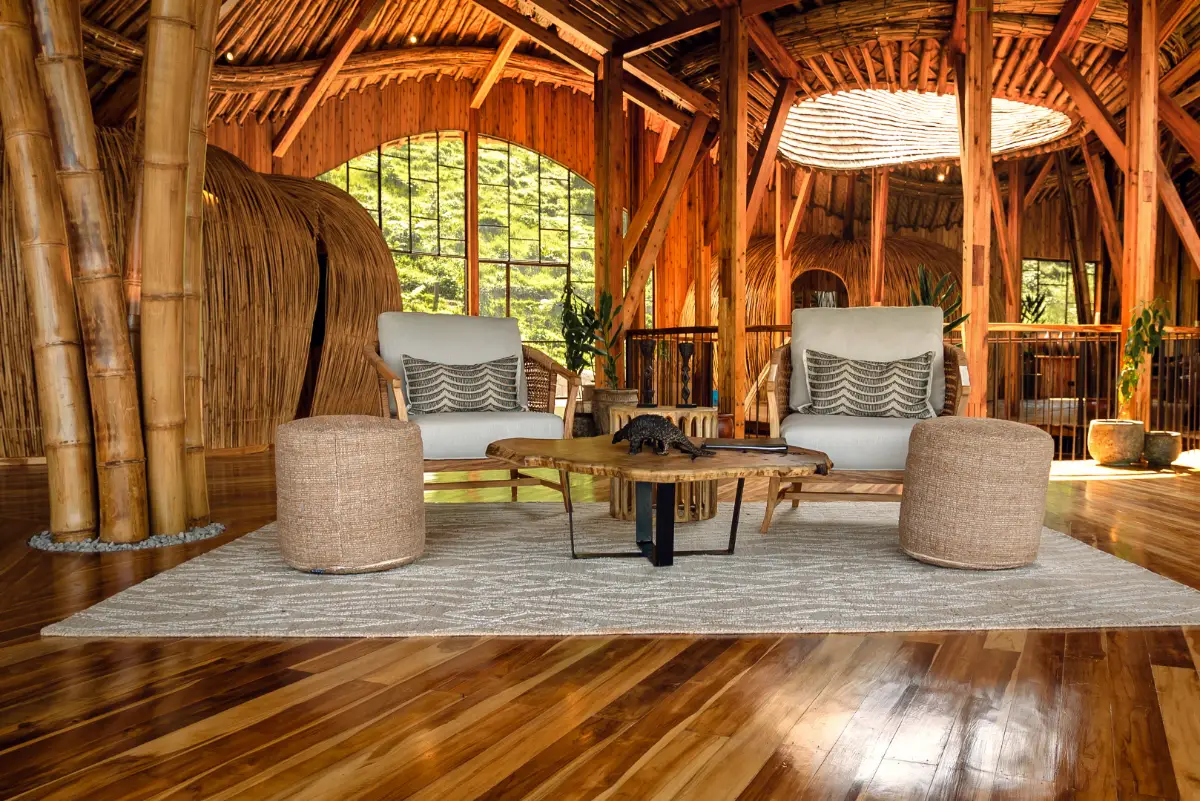
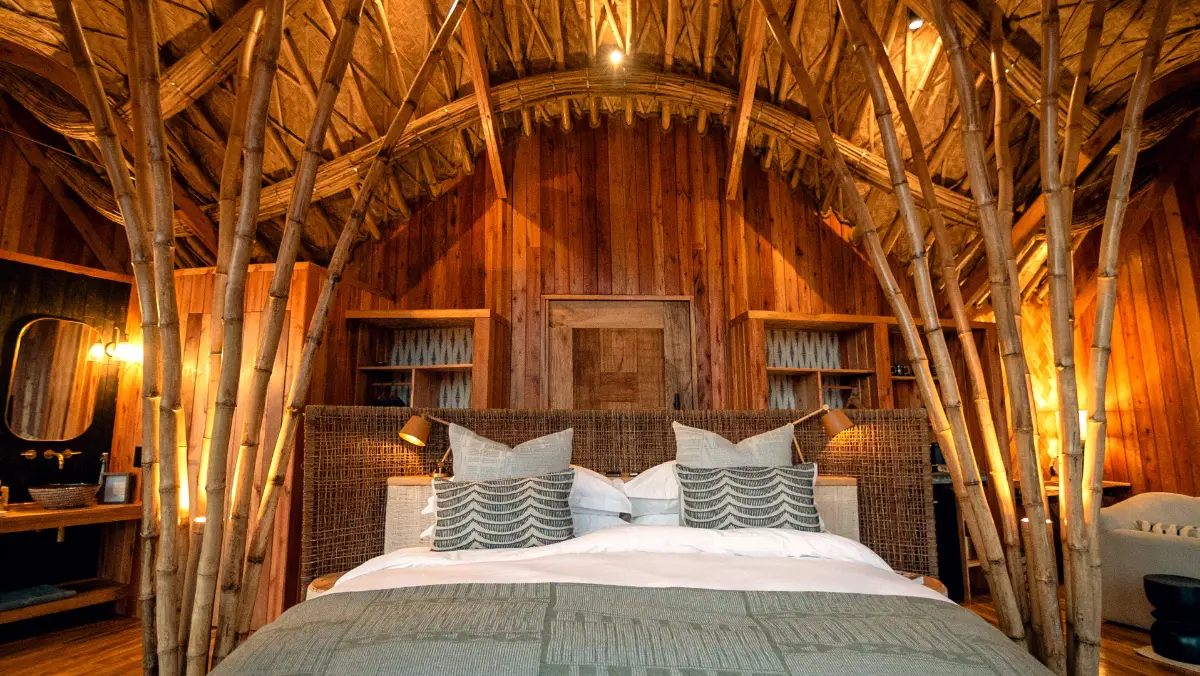
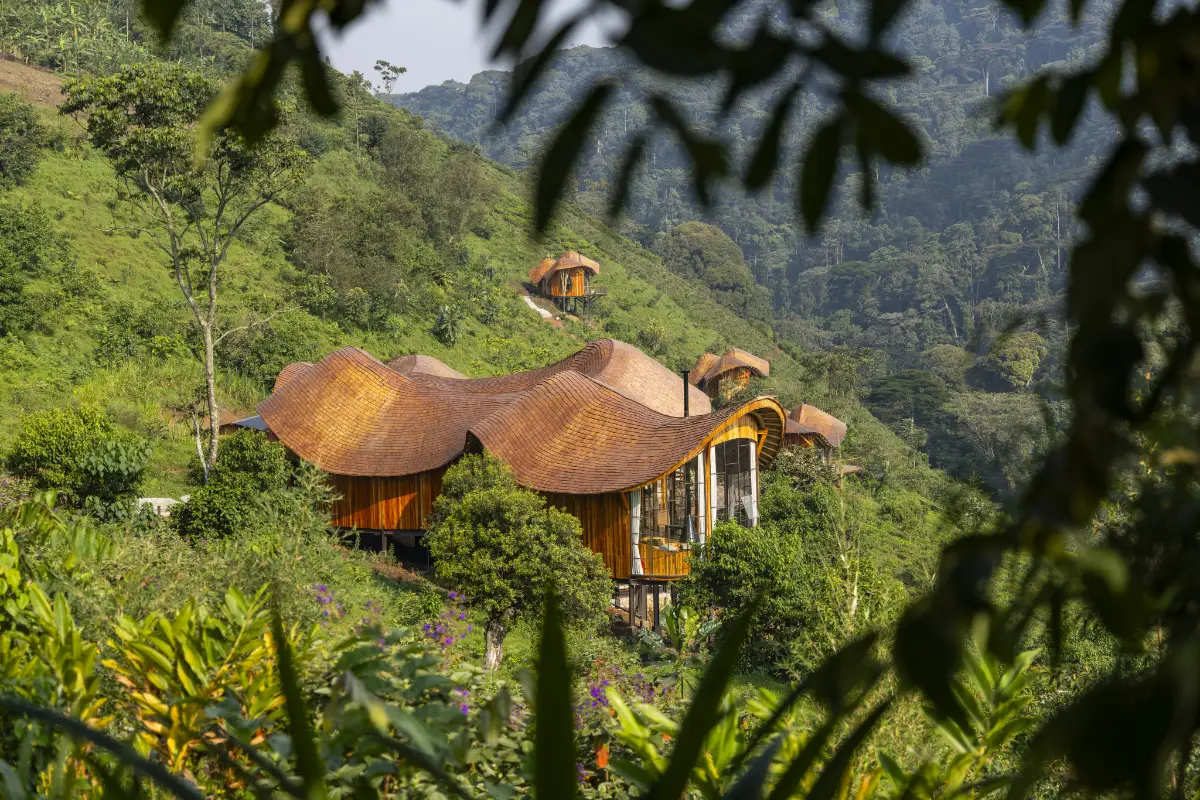
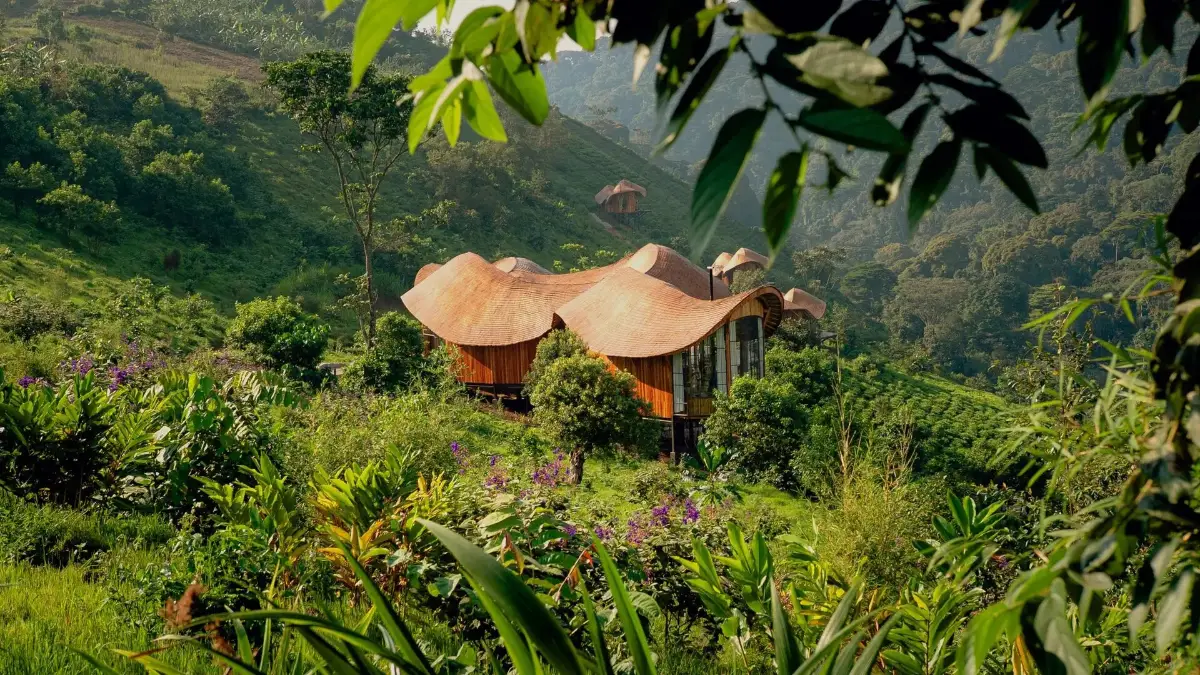
The lodge itself is a stunning example of the type of contemporary architecture that really understands its setting. Designed with its hillside location in mind, there are natural materials, soft curves and generous expanses of glass, that together create a series of buildings that feel connected to the surrounding landscape rather than imposed upon it. There are just eight suites, each carefully positioned to make the most of the views and offer a sense of privacy. Their gently curved roofs give them an organic appearance, while the glass-fronted façades mean that the forest is always part of the picture. I love the feeling of being able to sit inside, and yet still feel completely connected to the outdoors.
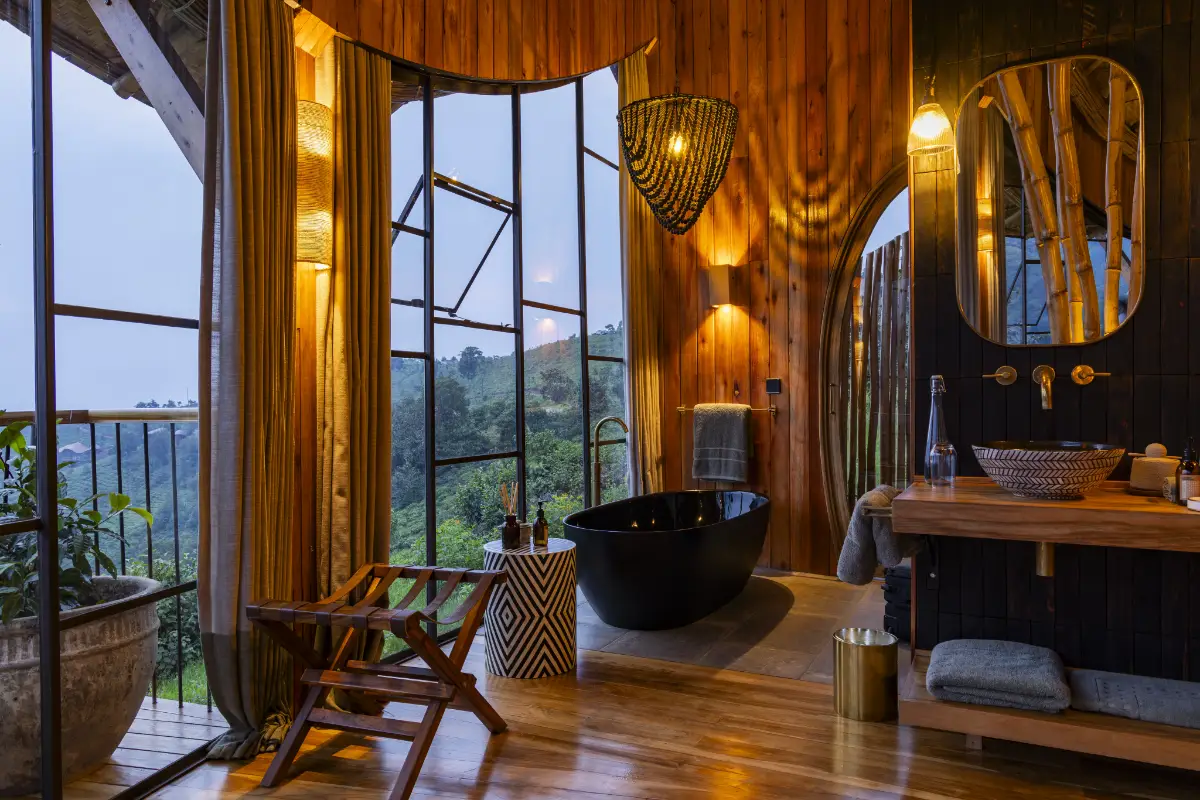
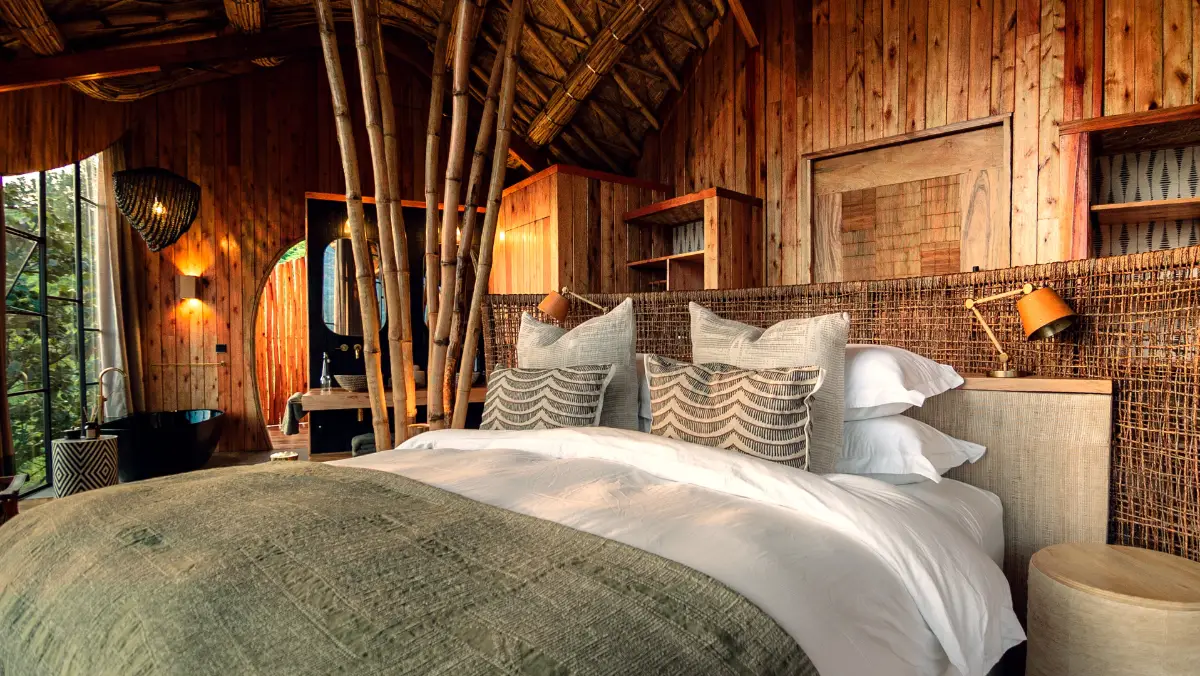
Inside, the design is warm and understated. Natural bamboo features throughout, adding texture and a lovely softness to the contemporary interiors. The suites are spacious, with comfortable beds, generous bathrooms and private viewing decks. Waking up to those views is a pleasure in itself, particularly when the morning mist is still hanging over the hills. The bathrooms are particularly inviting, with freestanding bathtubs and both indoor and outdoor showers. After several hours of climbing through Bwindi, a long soak is a very appealing prospect.
The buildings have all been raised on stilts, to reduce their impact on the ground and preserve natural wildlife movement. It is a thoughtful approach to construction, particularly in an environment where protecting the forest is as important as enjoying it.
Of course, the gorillas are the main attraction, but Bwindi has much more to offer. This is one of Africa’s most biodiverse forests, and home to an extraordinary variety of birds, butterflies and other wildlife. Guided nature walks and birding hikes, offer the opportunity to explore further, while the surrounding countryside, with its tea plantations and small communities, gives a glimpse into everyday life in this part of Uganda.
There’s also a meaningful conservation story behind Erebero Hills. The lodge’s development includes the restoration of more than 50 hectares of former tea plantation land to indigenous forest, helping to reconnect habitats and support the wider ecosystem. Its relationship with local communities, including the Batwa people, is another important part of the story. The Batwa have a long and intimate history with the forest, and learning about their traditional knowledge and connection to this landscape adds another dimension to a visit.
Looking back, it’s the combination of experiences that makes a stay at Erebero Hills so memorable. The gorilla trekking is undoubtedly the highlight, but the feeling of returning to a lodge, taking off your muddy boots and watching the afternoon mist settle over the forest is equally special in its own way.
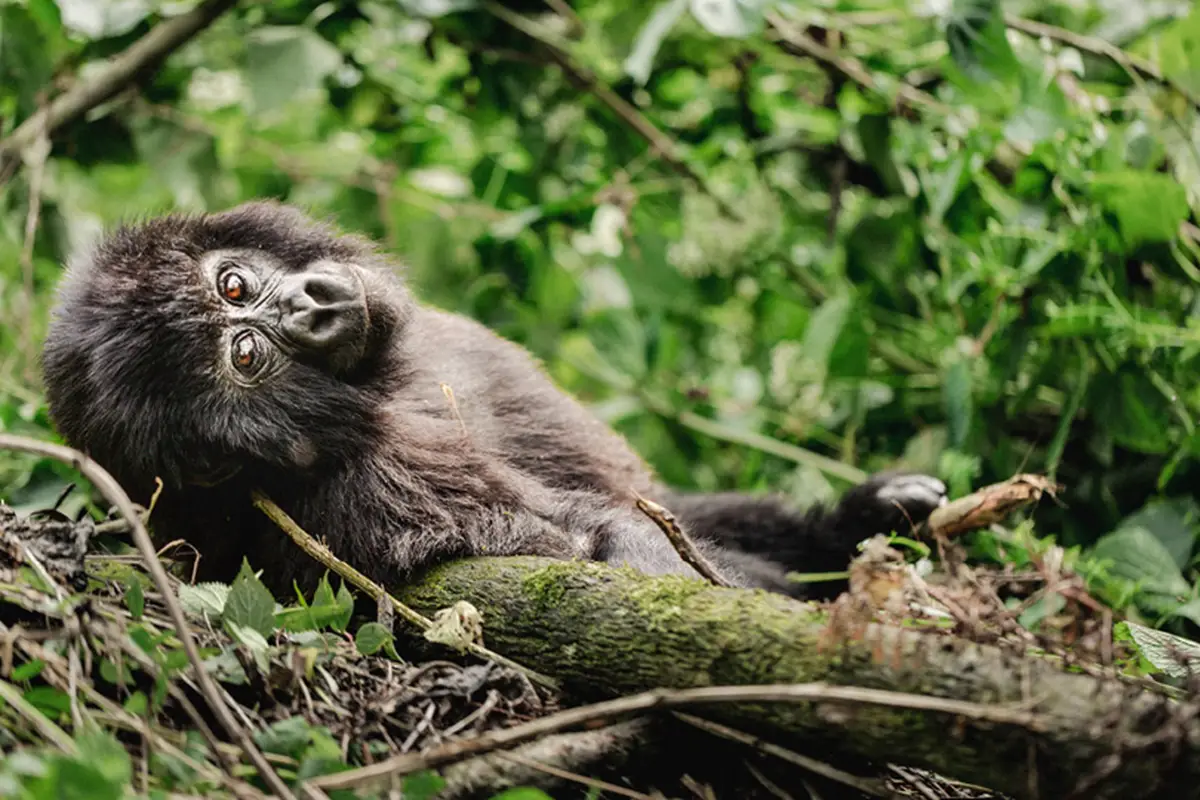
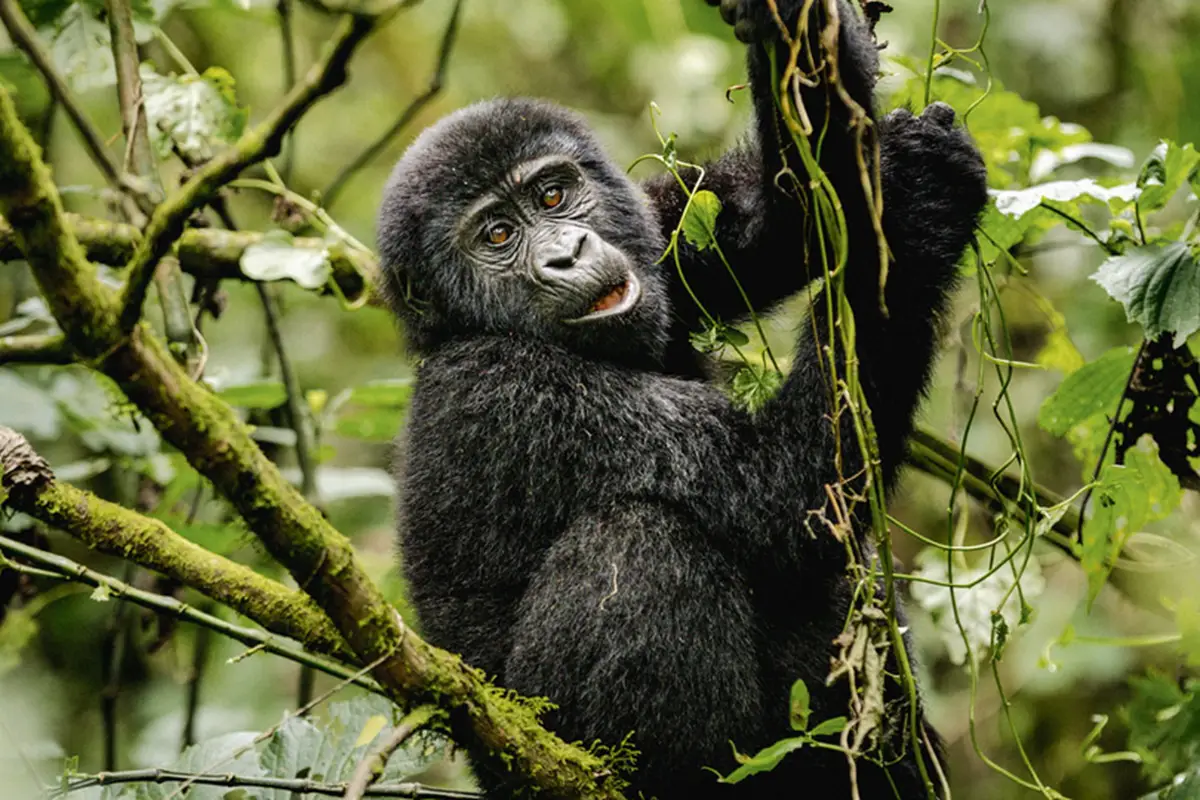
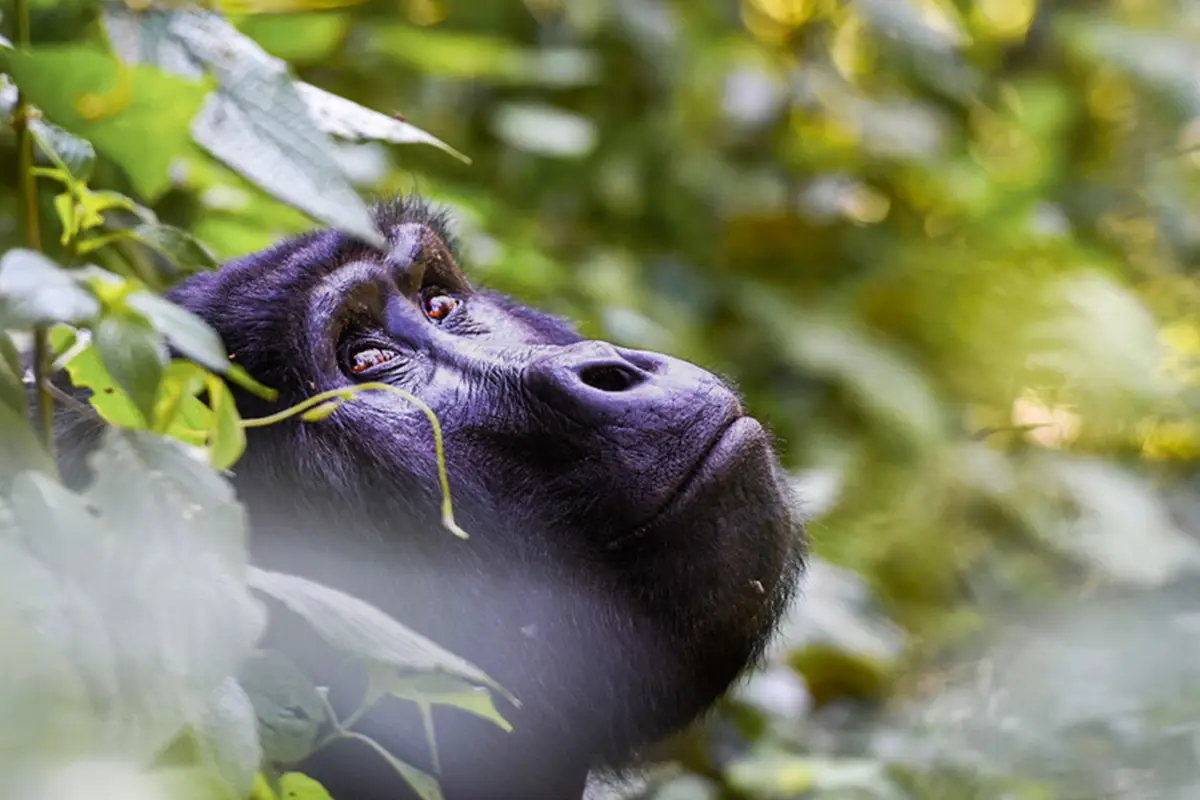
I’ve been fortunate to see mountain gorillas on several occasions, but I honestly don’t think the excitement will ever wear off. Each family has its own personality, every encounter reveals something new and there is always another moment that makes you smile. At Erebero Hills, that experience is complemented by a beautiful place to retreat to afterwards, and where the forest remains very much part of the picture. This is a very special corner of Uganda, and one that reminds you that some wildlife encounters never become ordinary, no matter how many times you have been lucky enough to experience them.
To learn more about Asilia Erebero Hills, visit https://www.asiliaafrica.com/camps-lodges/erebero-hills/

On a wild shoreline where the Musa River meets Lake Itezhi-Tezhi, a small camp in
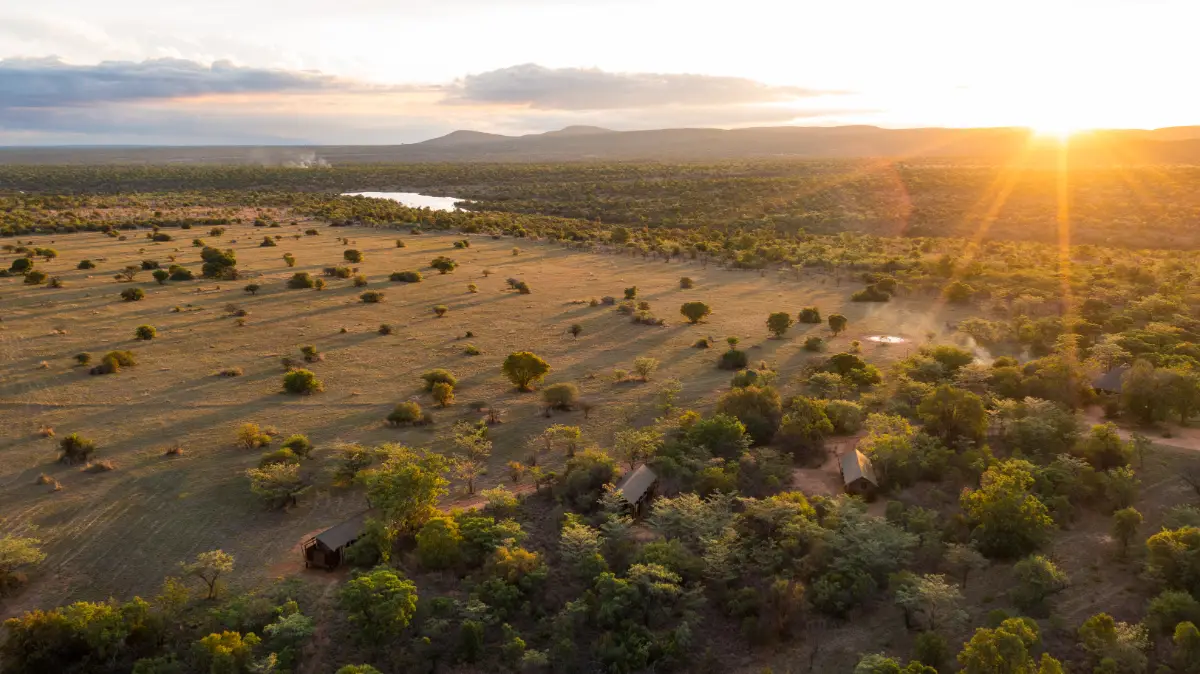
Kwafubesi – My Quiet Luxury Experience in the heart of the Waterberg that is home
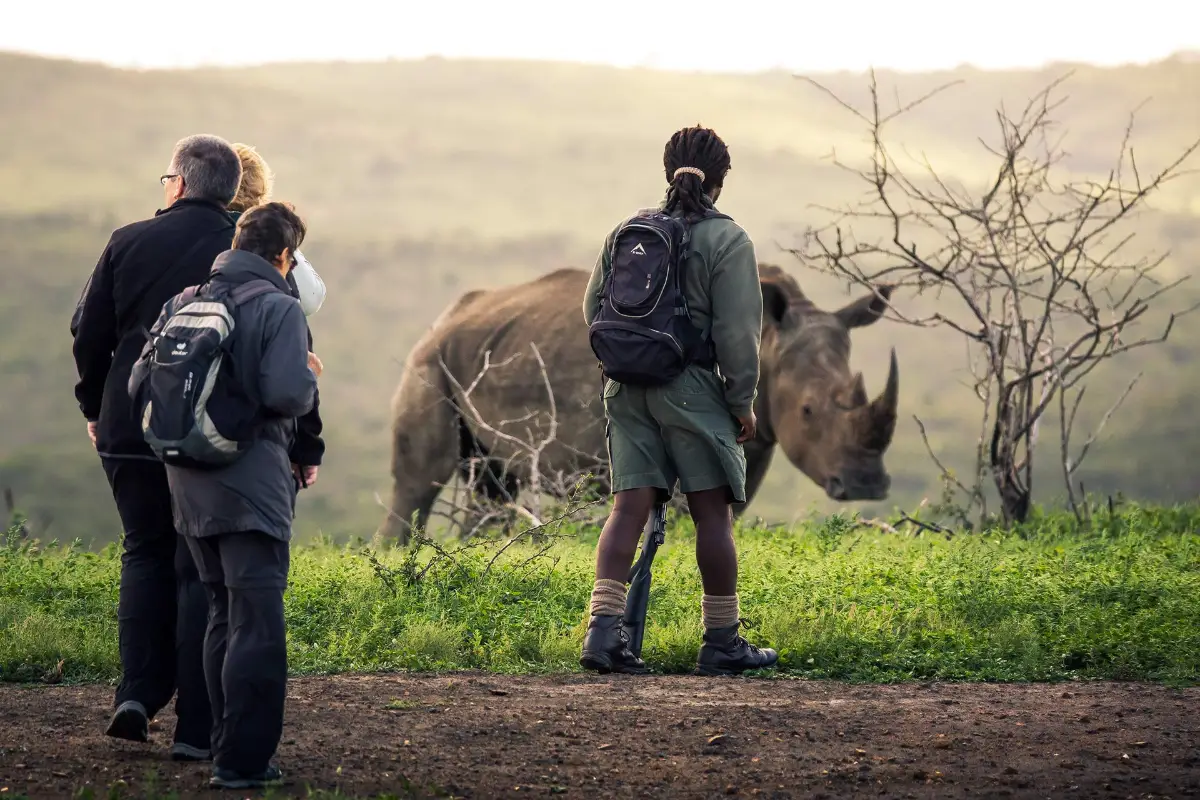
Perched on a ridge inside Africa’s oldest proclaimed game reserve, Rhino Ridge Safari Lodge pairs
No matter how many times you are lucky enough to see mountain gorillas in the

In a town built on big names and bigger budgets, a family-run lodge on the
Nairobi, if experienced intentionally, will capture your soul. It is a city defined by a