

Raw, Rooted and Real: 7 Reasons Nanzhila Lake Camp Captures the Essence of Adventure
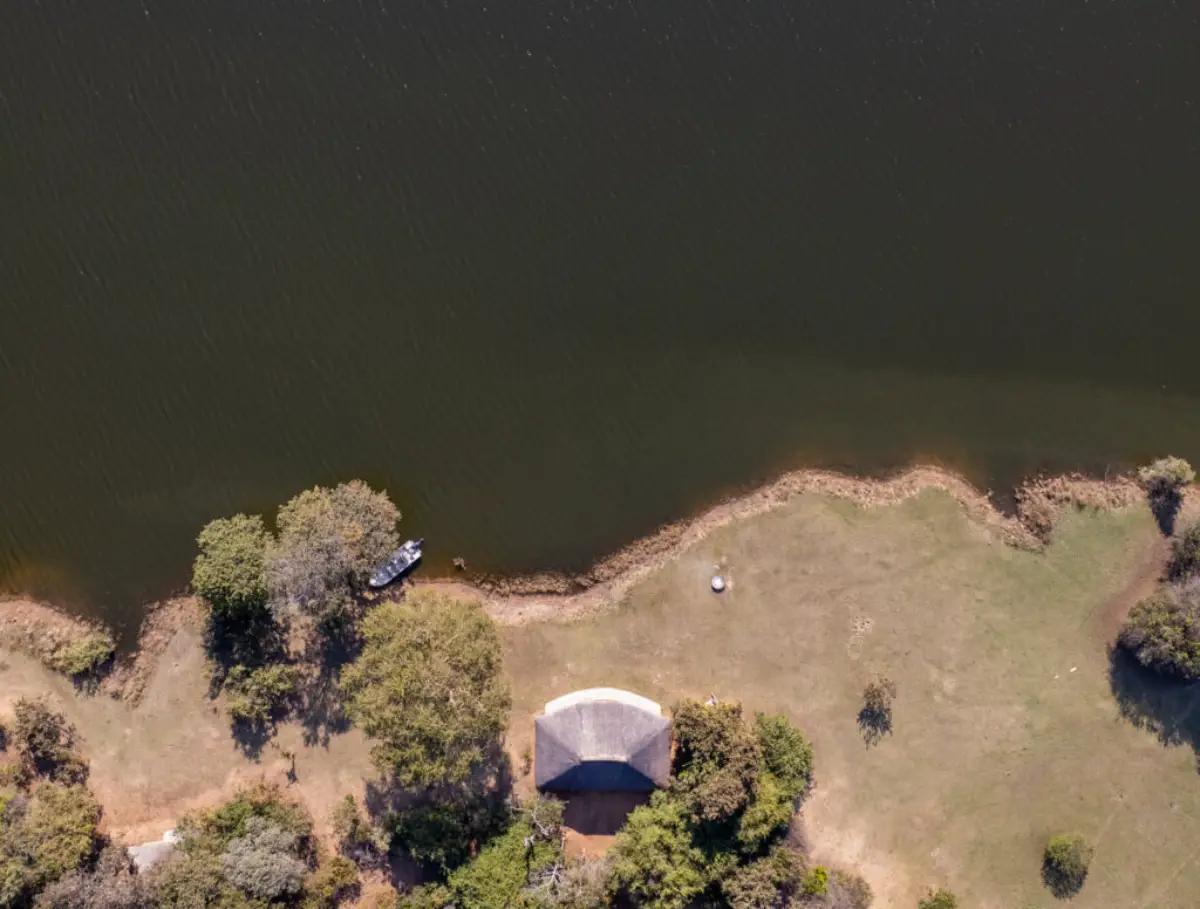
On a wild shoreline where the Musa River meets Lake Itezhi-Tezhi, a small camp in

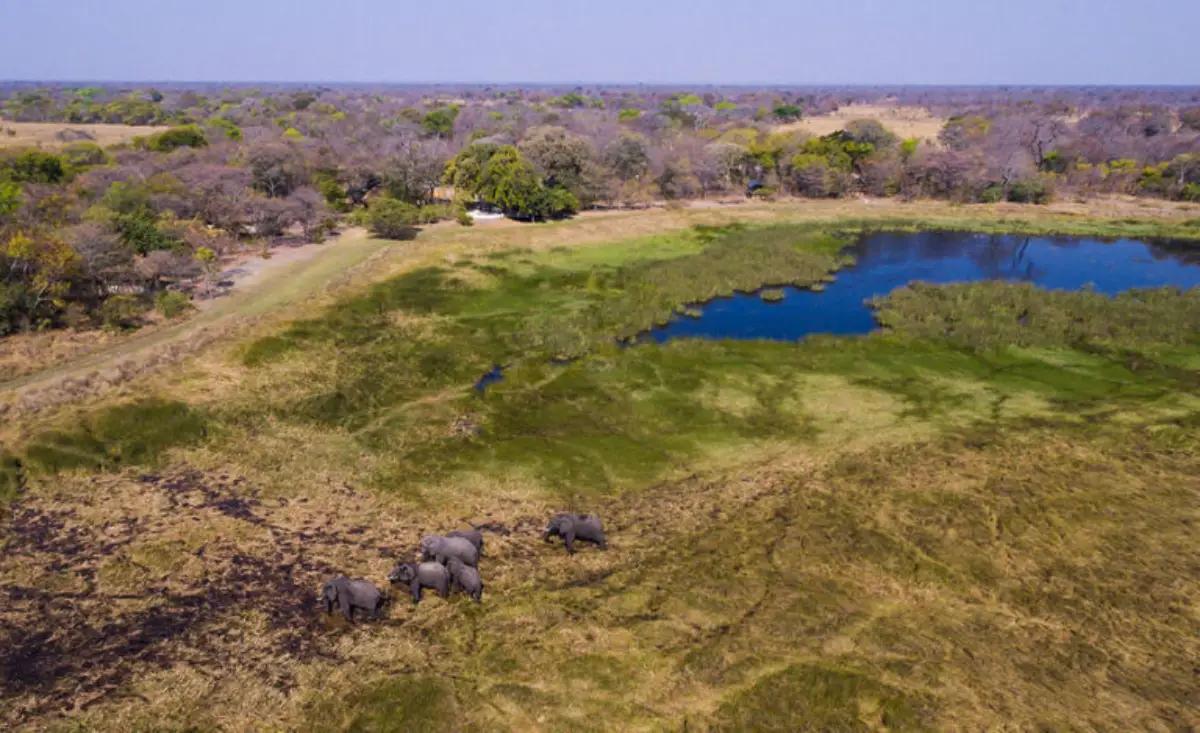
On a wild shoreline where the Musa River meets Lake Itezhi-Tezhi, a small camp in southern Kafue, run on the ground by an all-Zambian team, strips safari back to what it was always meant to be: simple, and designed to connect us to untouched nature.
I love luxury travel, and I make no secret of it. Yet every so often, the adventurer in me is ready to trade opulence for something a little more rustic. I found exactly that on the shores of Lake Itezhi-Tezhi, in the southern reaches of Zambia’s Kafue National Park, at Nanzhila Lake Camp.
I was in Zambia at the joint invitation of Africa’s Eden and African Parks, on a journey curated by Africa’s Eden through its member camps. On the morning after my first night in the country, I met Natalie Masseus in Lusaka. Natalie is the founder of Real Safaris, which designs bespoke safaris across Africa for clients mostly from Dubai and Europe. We were strangers that morning, yet we soon discovered we had both lived and worked in Dubai for years and carried the same deep love for Africa. Neither of us knew then how special a bond we would form on the road.
We arrived at Nanzhila in late March, as the park was emerging from a season of heavy rains. Floodwater still lay across much of Kafue, and with the road network still recovering, our guides often had to choose alternative routes or entry points into the park to get us where we wanted to go. Kafue spans some 22,400 km² and is one of Africa’s ten largest national parks. Since 2022, it has been managed by the conservation non-profit African Parks under a 20-year partnership with the Government of Zambia.
For someone who usually travels in the lap of luxury, Nanzhila Lake Camp won me over not with gold-plated taps, but with how unpretentious it all felt. Here is why this rustic gem deserves a place on your list.
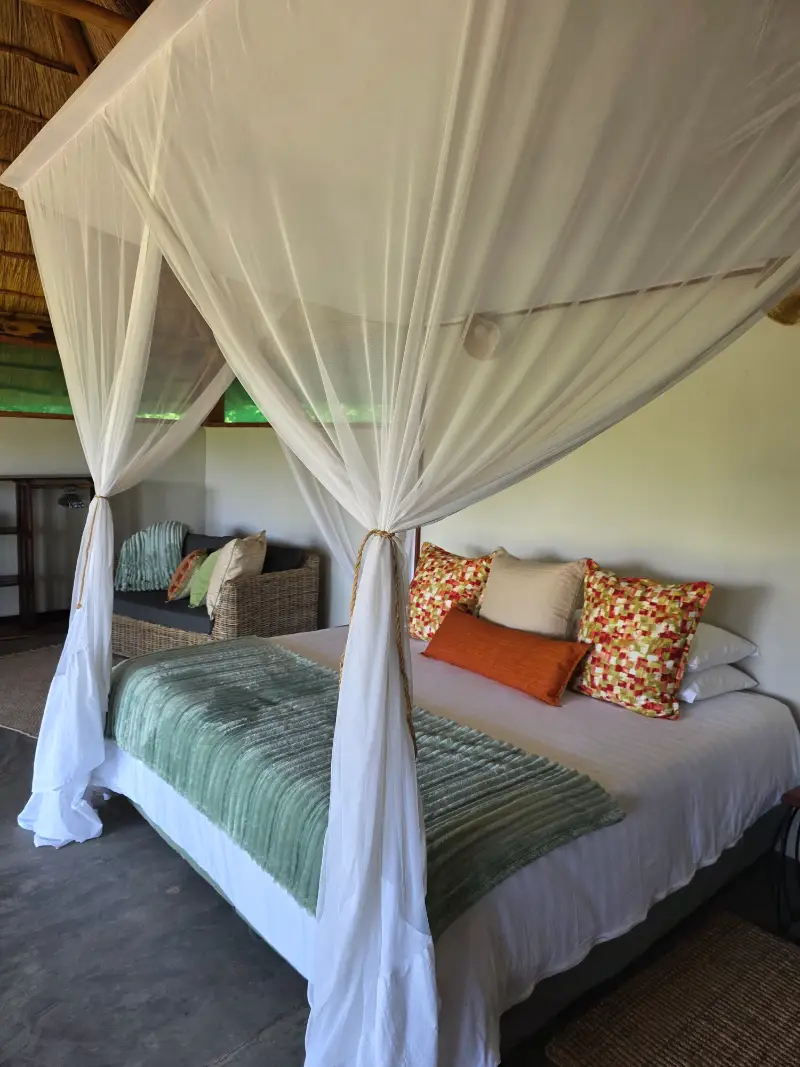
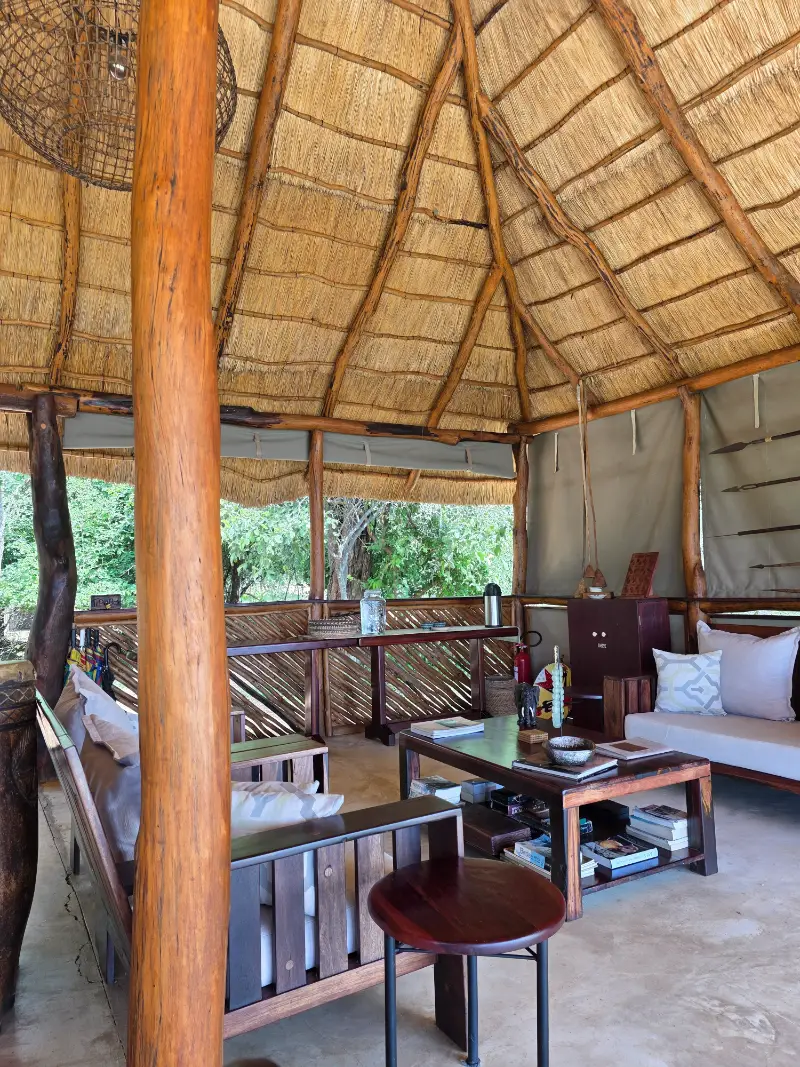
With just five tented chalets gazing out over the water, Nanzhila Lake Camp is deliberately intimate. During our two-night stay, Natalie and I were the only guests. You never feel like a room number here.
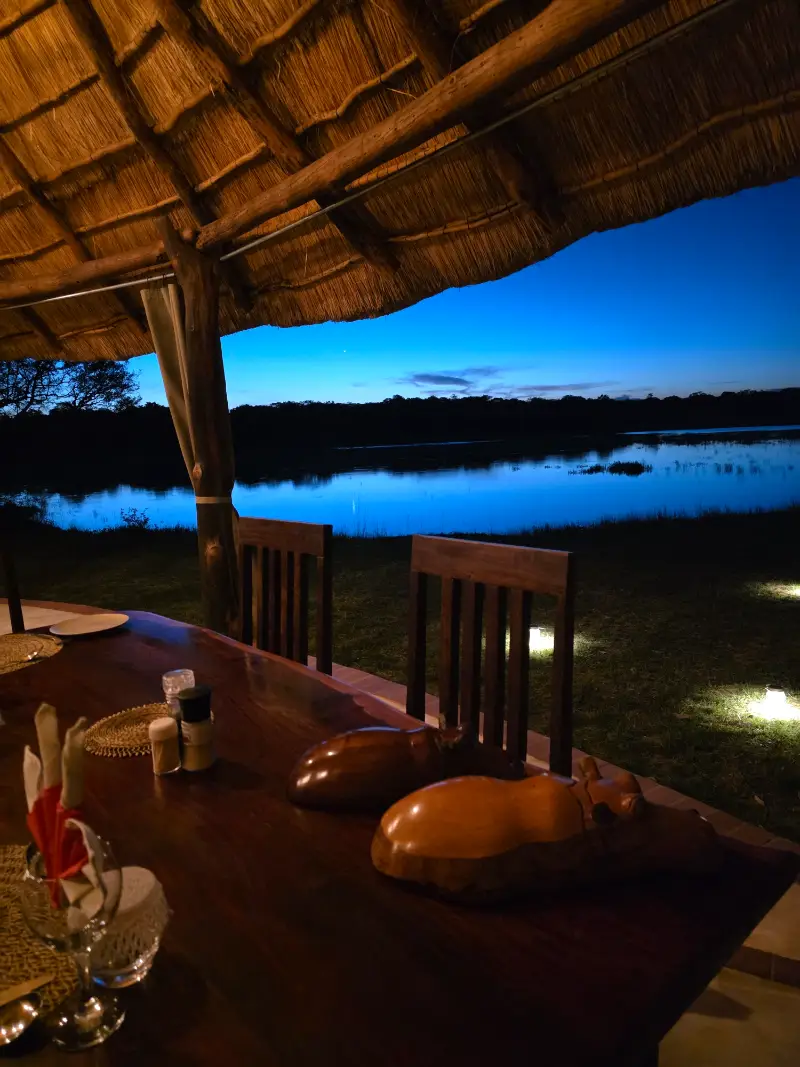
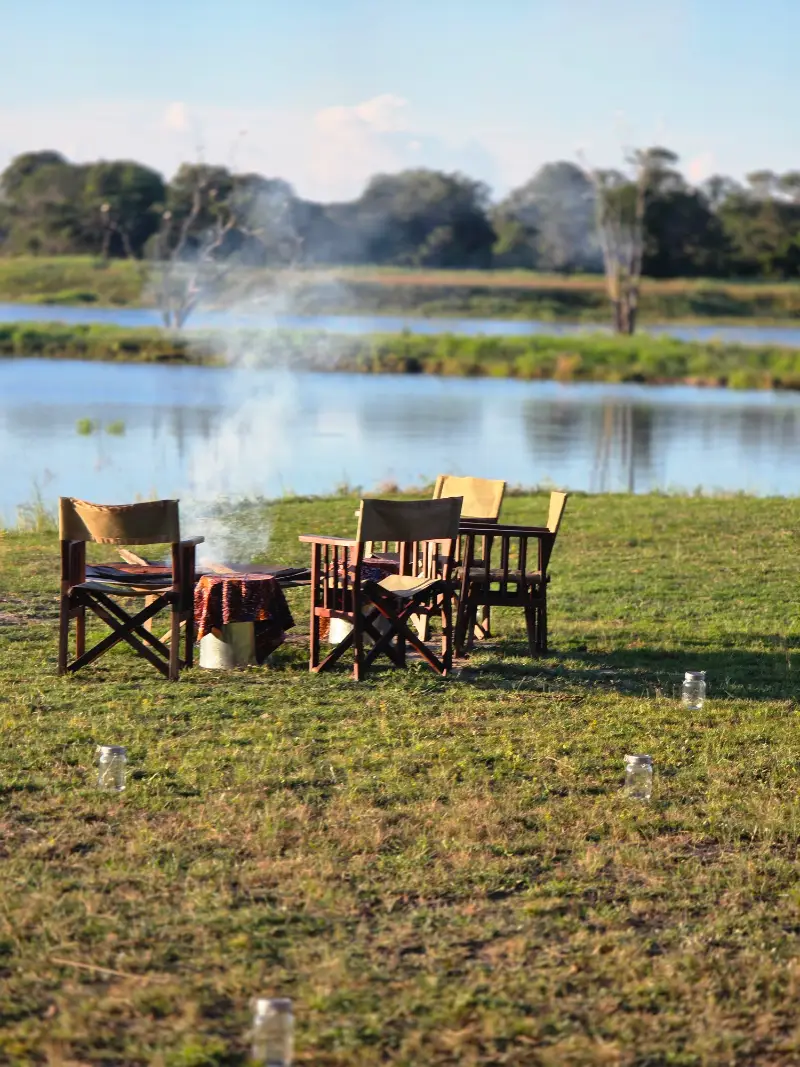
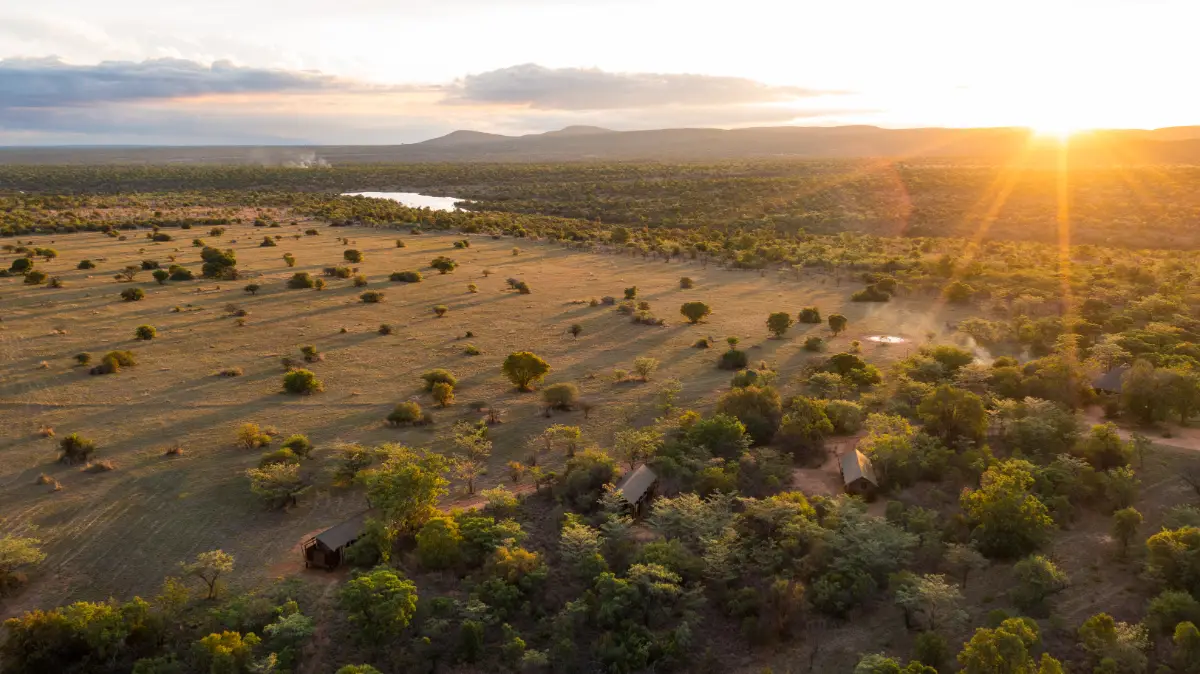
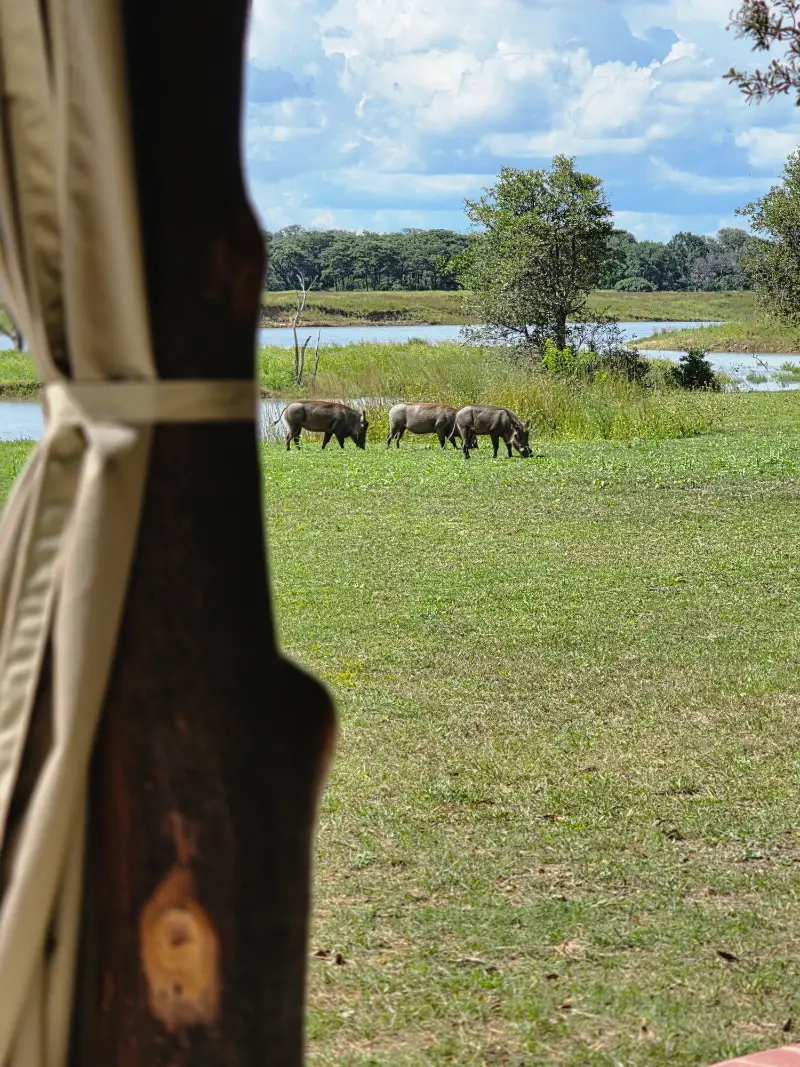
The camp sits where the Musa River meets the shoreline of Lake Itezhi-Tezhi, a natural gathering point for wildlife. I never needed to leave camp to see it: hippos, warthogs and antelope all made their way around camp during my stay, and each chalet’s verandah doubles as a private game-viewing deck a few meters away from the lake’s shoreline.
One morning, we found tracks all through camp, which the team told us were leopard spoor. It was a thrilling reminder that at Nanzhila, the wilderness does not stop where the camp begins.
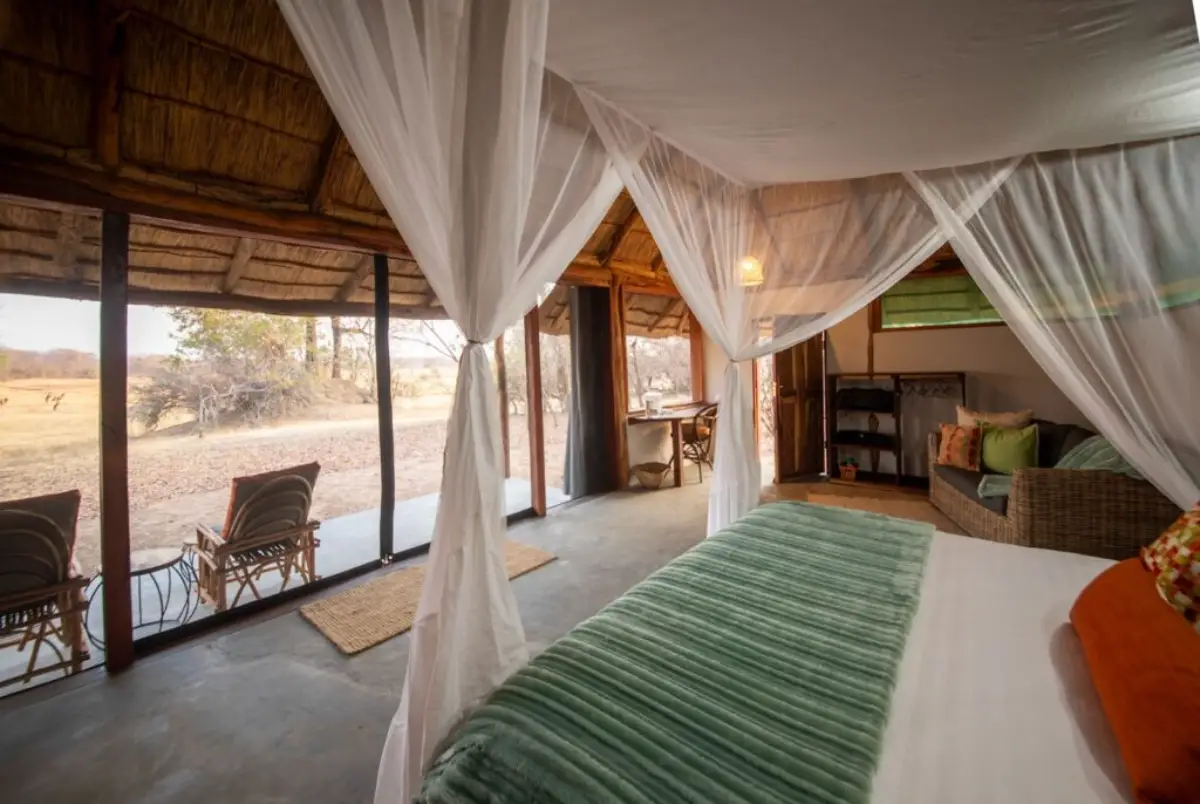
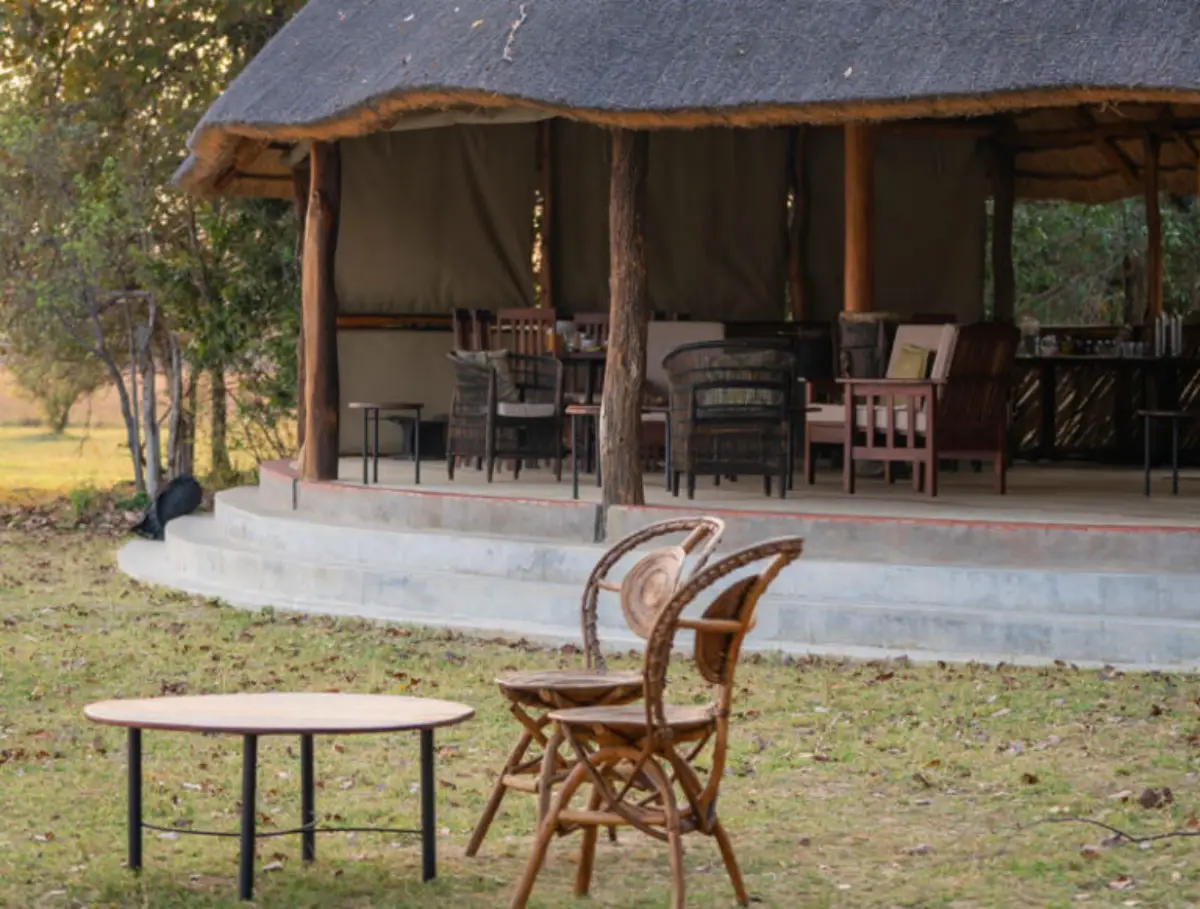
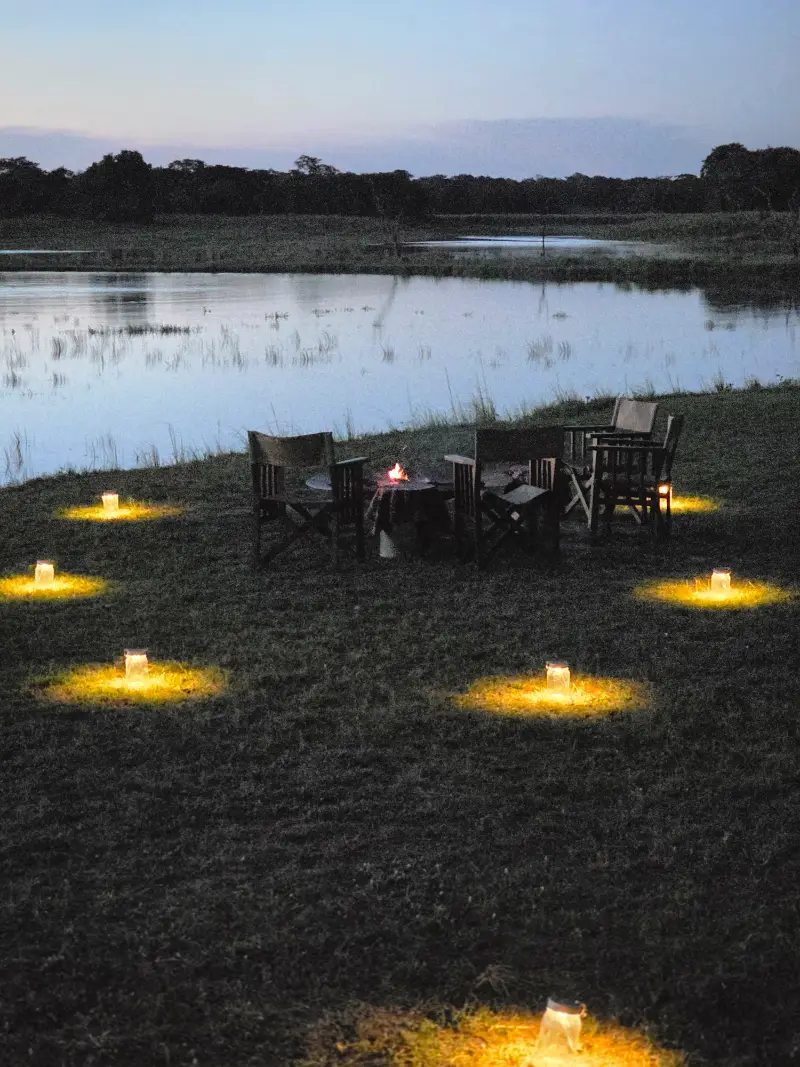
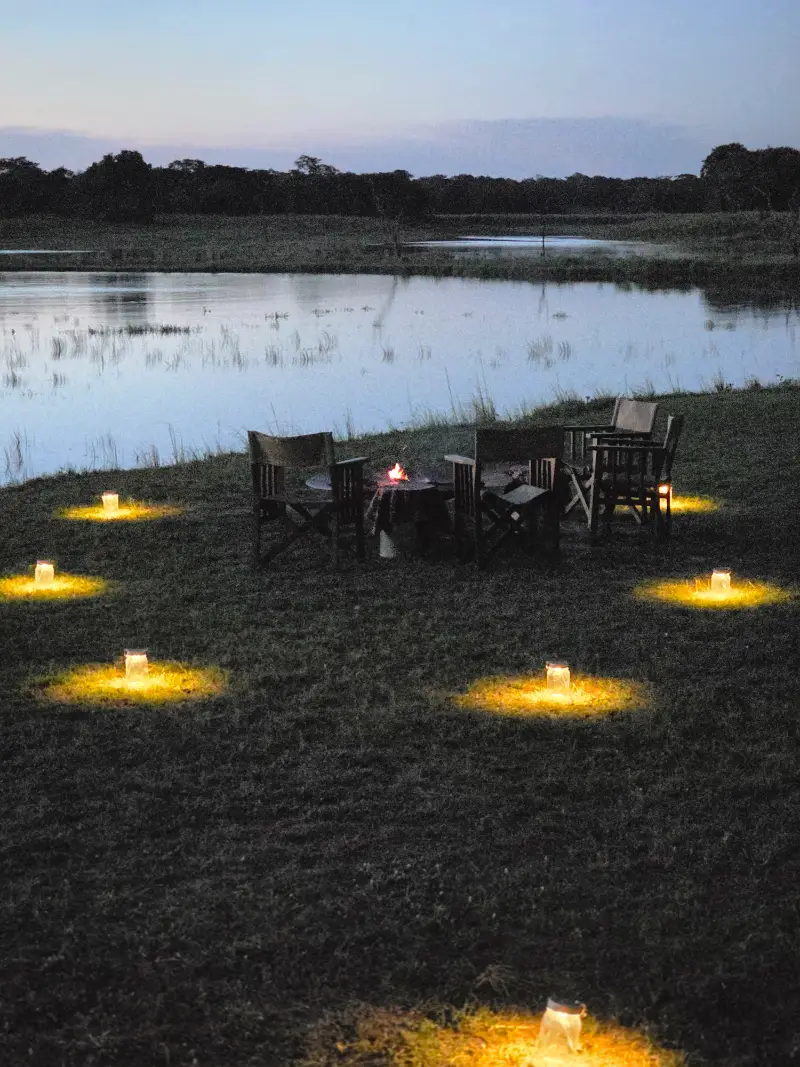
What anchors Nanzhila Lake Camp in the memory is its people. The team on the ground is entirely Zambian, and their hospitality is marked by quiet competence, cultural warmth and genuine care. I loved the bonfire chats with the management team and staff, both before and after dinner. A pathway lit by lamps led to the bonfire circle, where a beverage of choice and snacks awaited before the main meal.
Once dinner was over, we returned to the fire for banter that seemed to have no end. It was around that fire, on our second night, that we learned so much about Zambian culture and traditions. The conversation centred on family dynamics, and on what it means for staff who call the city home to live and work in remote wilderness, spending long stints away from their families before returning to them. It gave me a deeper appreciation for the people behind the warm welcome.
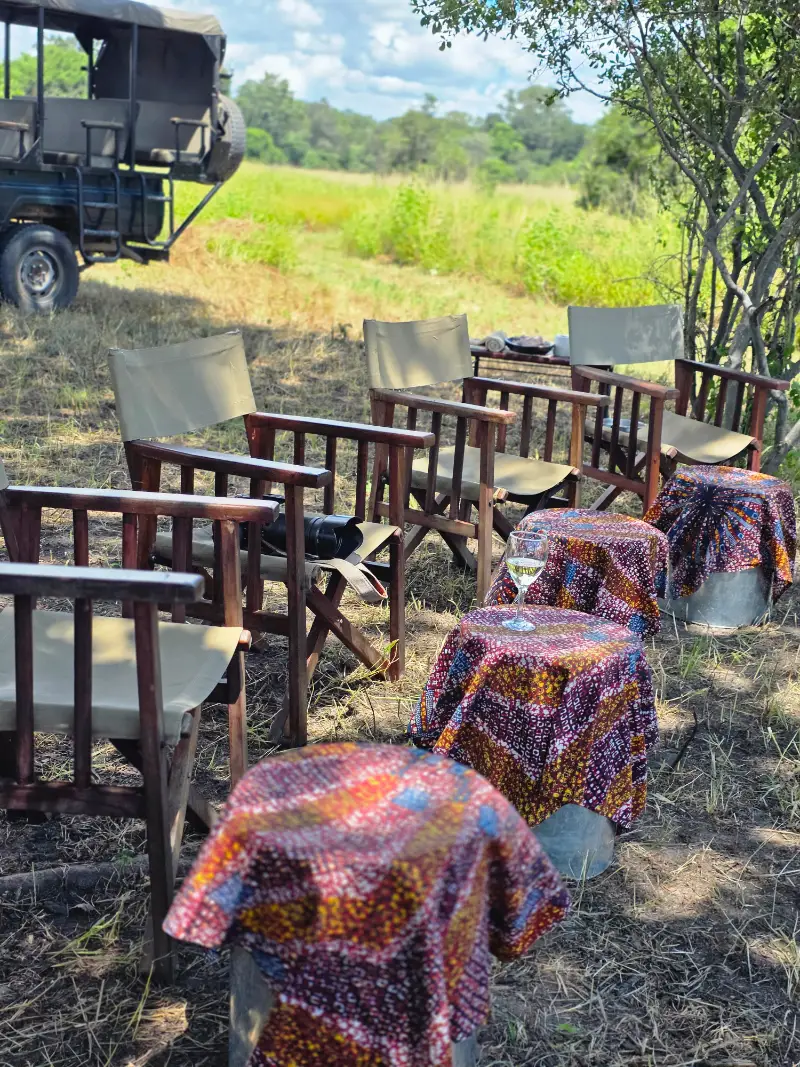
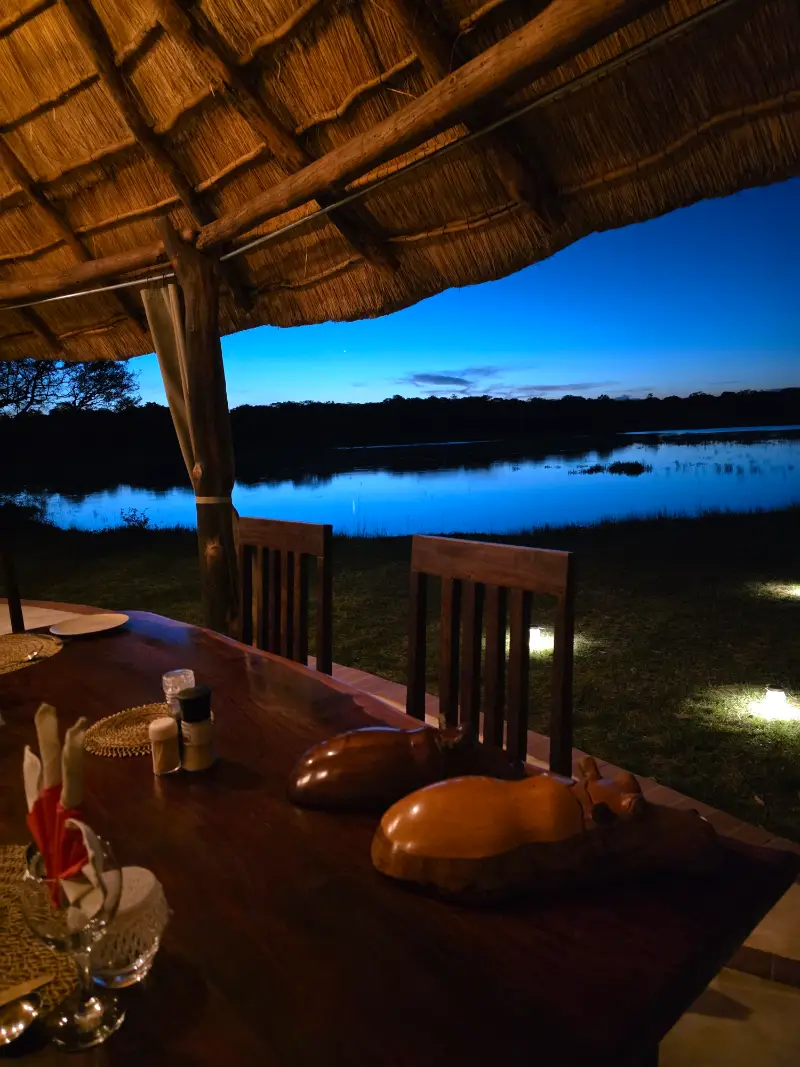
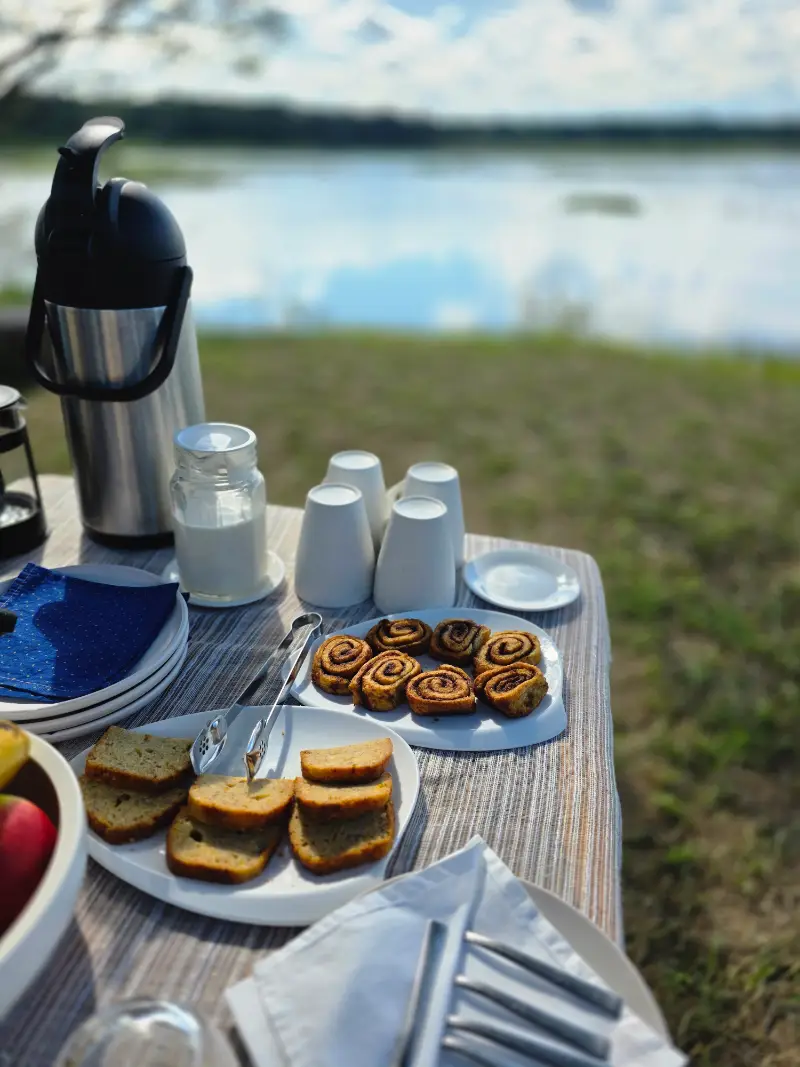
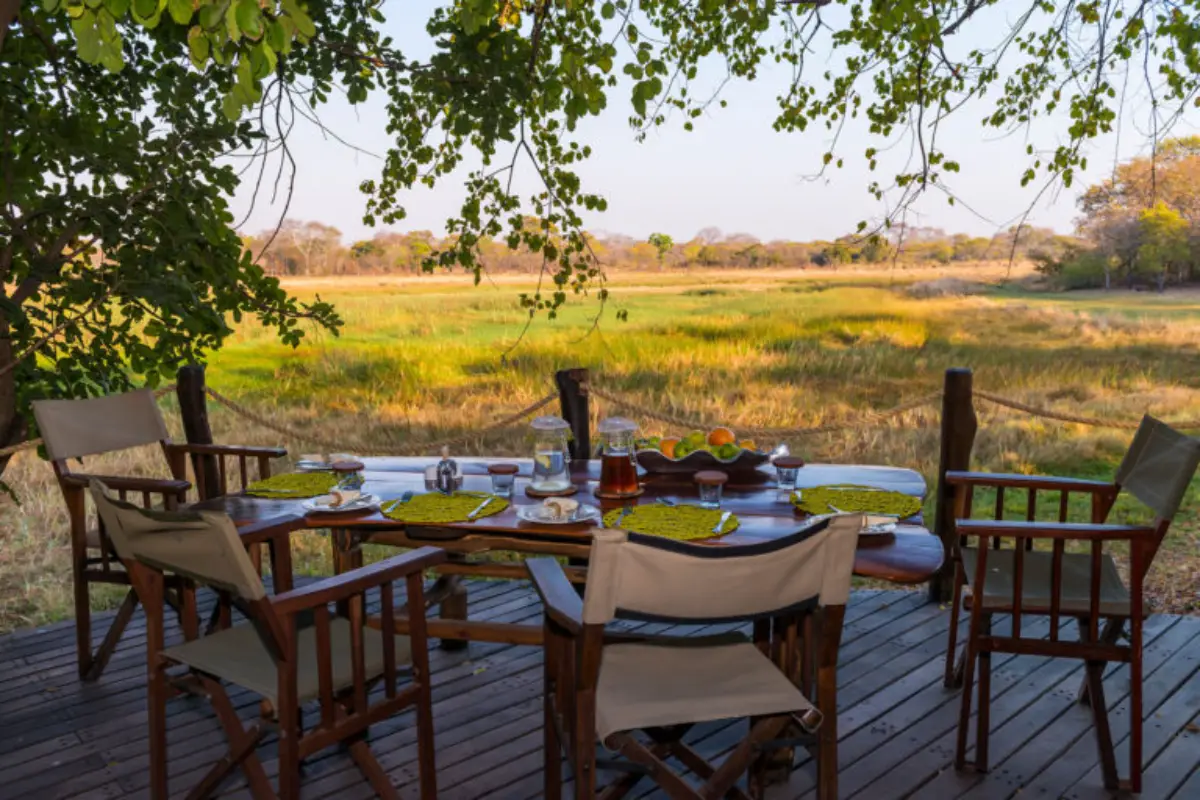
Meals here are simple: no frills, no plated techniques, just hearty, comforting food. My favourite dining moment was the bush breakfast. With only Natalie and me in camp, we got to spend time with most of the team, and what could have been a simple meal became a morning of conversation. It felt less like being served and more like being welcomed.
Nanzhila came right in the middle of my journey through Zambia, and I chose to treat it as a pause. Rather than heading out on game drives, I stayed in camp to catch up on work. Wi-Fi reaches the main camp, so staying connected was easy when I needed it. For travellers who want more, the camp offers game drives, walking safaris and birding.
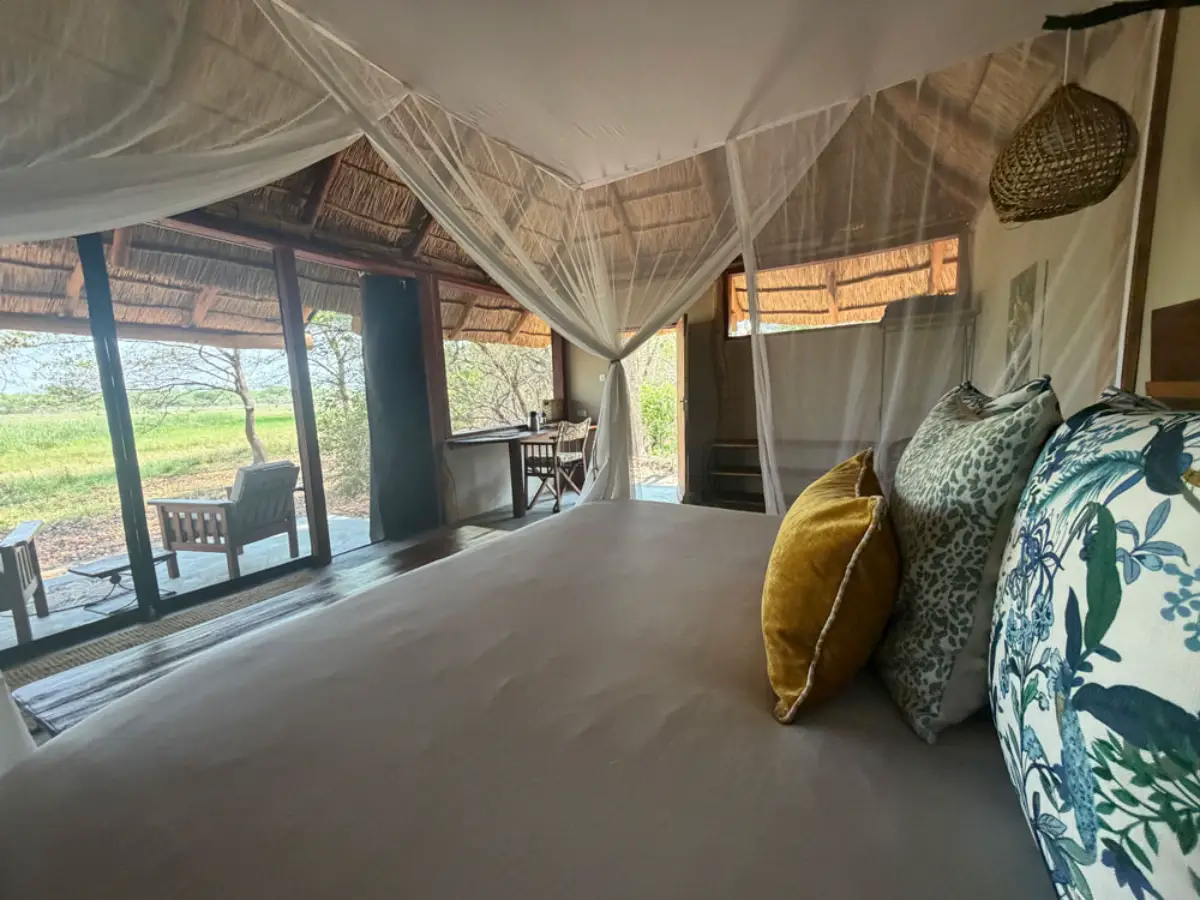
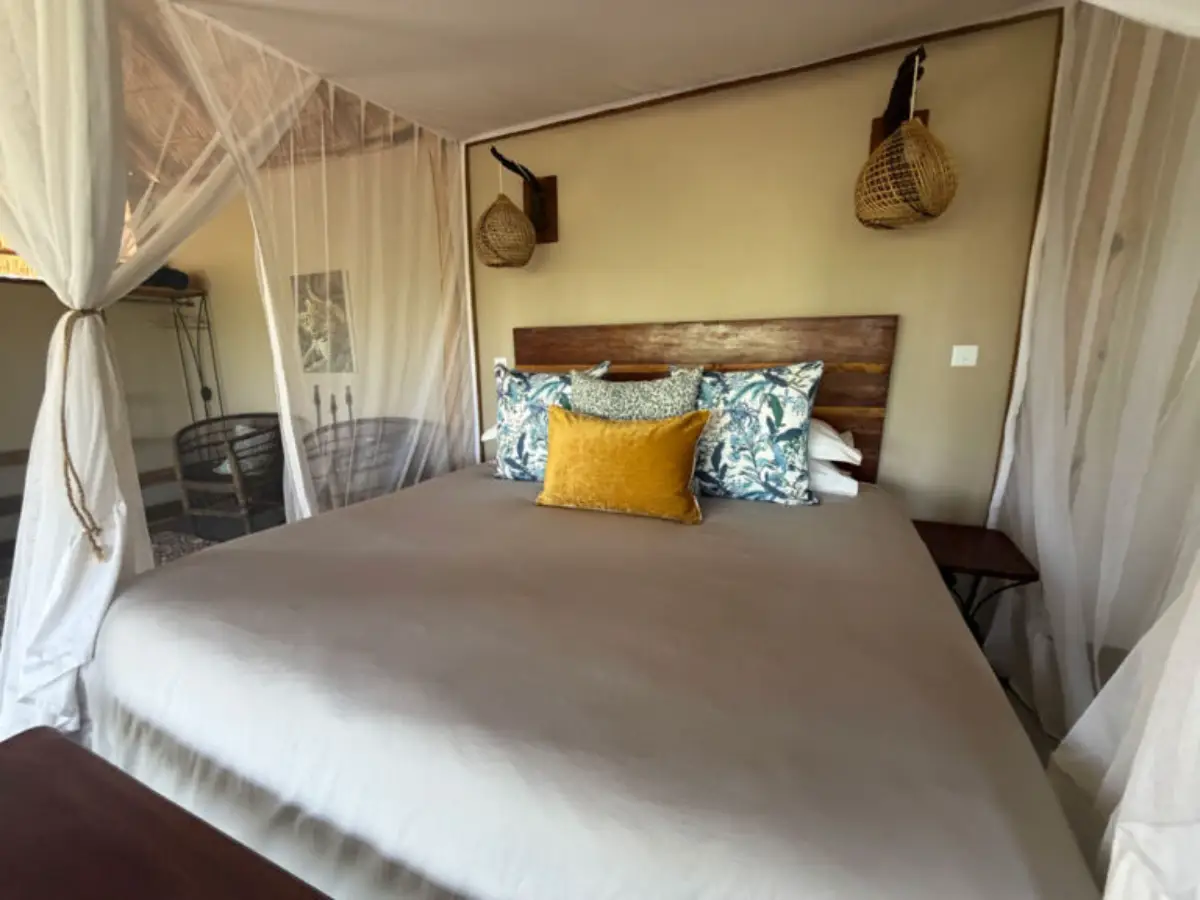
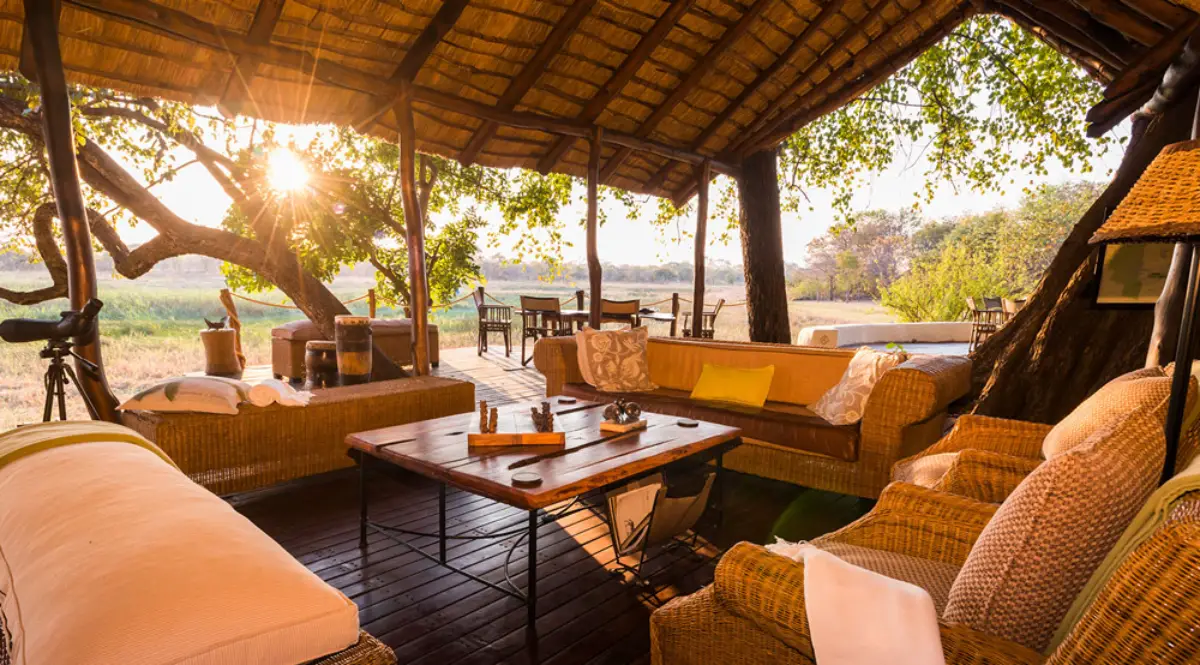
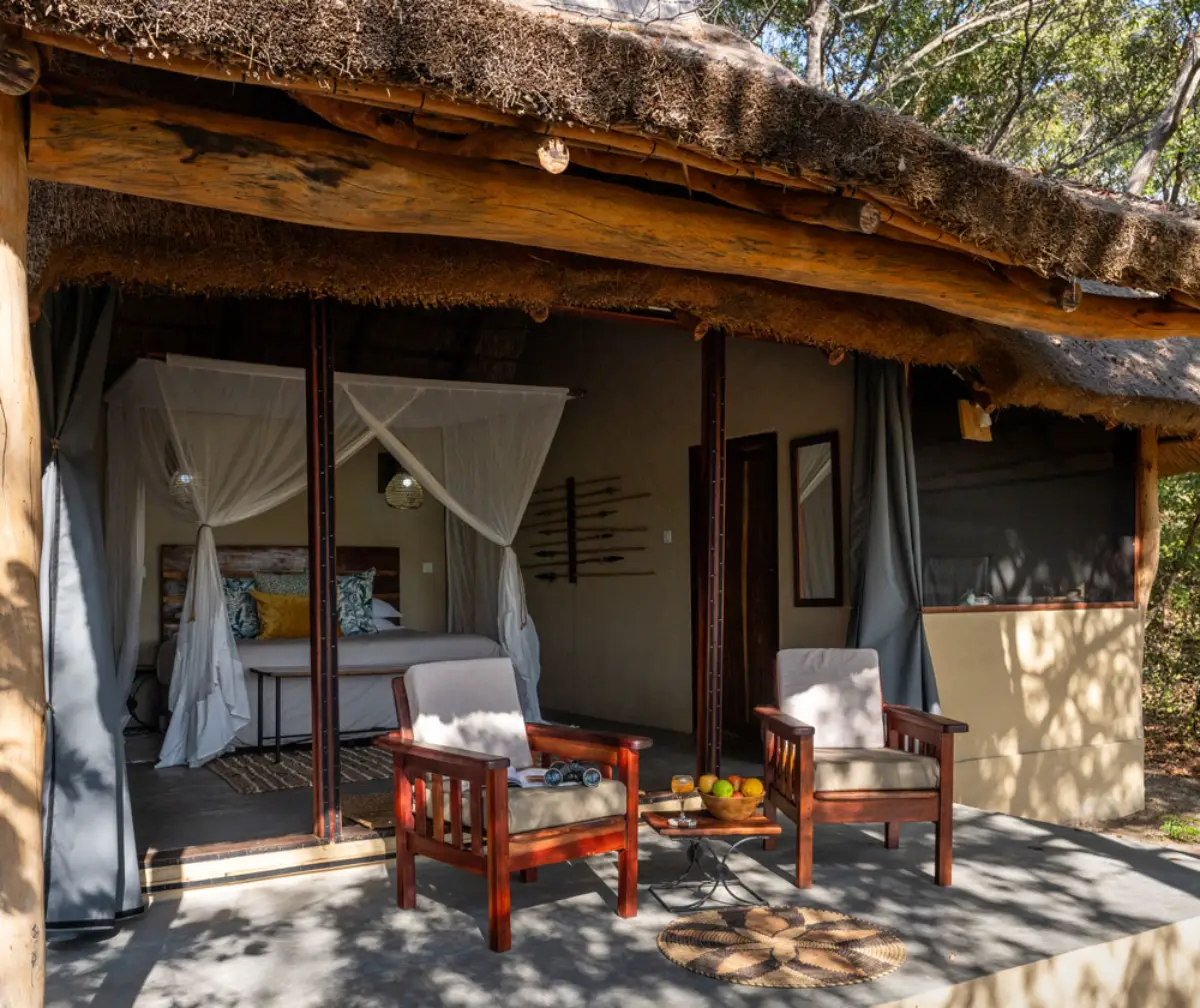
Wi-Fi does not reach the tents, so once you retreat to your chalet, the world falls away. By night, the calls of wild cats carried through the darkness. It is an invitation to slow down, follow the rhythm of sunrise and sunset, and meet Zambia in its most unfiltered form.
This journey was curated by Africa’s Eden in collaboration with African Parks, featuring Africa’s Eden member camps.

On a wild shoreline where the Musa River meets Lake Itezhi-Tezhi, a small camp in
Kwafubesi – My Quiet Luxury Experience in the heart of the Waterberg that is home
Perched on a ridge inside Africa’s oldest proclaimed game reserve, Rhino Ridge Safari Lodge pairs
No matter how many times you are lucky enough to see mountain gorillas in the
In a town built on big names and bigger budgets, a family-run lodge on the
Nairobi, if experienced intentionally, will capture your soul. It is a city defined by a