







Rooted in Resilience: The Homegrown Charm of Kasambabezi Lodge
In a town built on big names and bigger budgets, a family-run lodge on the


A Deep Dive into the Continent’s Thriving Tea Trade
From the sun-drenched Kenyan highlands to the verdant Rwandan slopes, Africa boasts a rich tapestry of tea-growing regions. Beyond the delicate aroma and invigorating taste you sip from your cup while seated in Africa or the diaspora, did you know that tea leaves grown in Africa represent a vital source of income and development for rural communities across the continent? Ever wondered which countries are leading the charge in the cultivation and exporting tea from Africa? Let’s unpack where what’s in your cup is coming from and the positive impact tea cultivation has on local lives in Africa.
1. Kenya: The Undisputed Champion
Kenya reigns supreme as Africa’s, and the world’s third-largest, tea exporter, with the country crediting this success to its ideal climate, fertile volcanic soil, and skilled workforce contribute to an annual production of over 400,000 tons. Kenya’s tea industry is unique, with over 500,000 smallholder farmers contributing over 60% of the national output. The Kenya Tea Development Agency (KTDA) plays a crucial role by providing essential services like processing, marketing, and extension services to these smallholders, ensuring their fair share in the value chain.
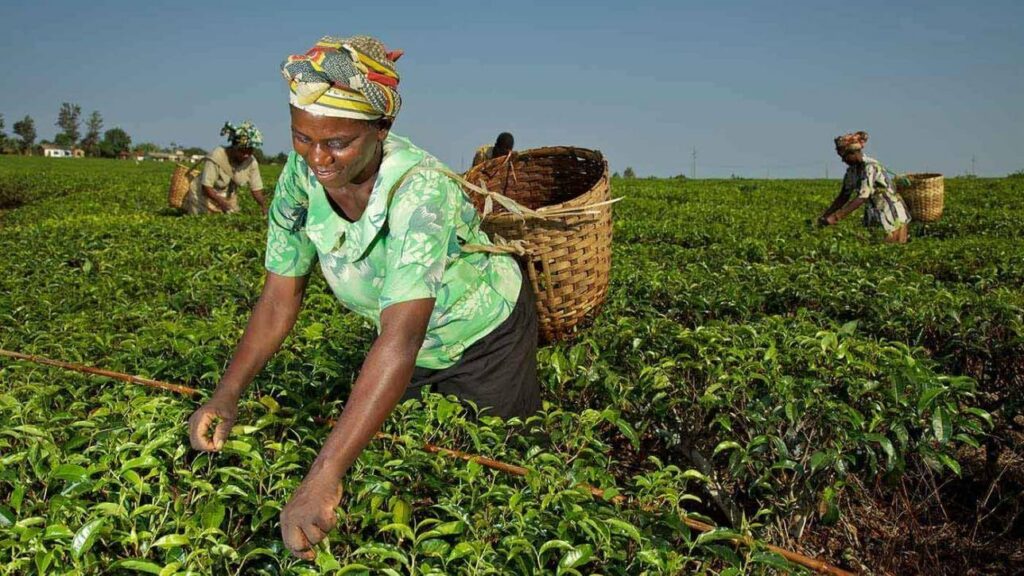
This widespread participation translates into tangible benefits for rural communities. Tea farming generates income and employment, uplifting living standards through infrastructure development, with roads and schools built to support the industry and benefiting the wider community. Tea growing also empowers women, who play a significant role in harvesting and processing.
2. Malawi: The Warm Heart of Africa’s Rising Star
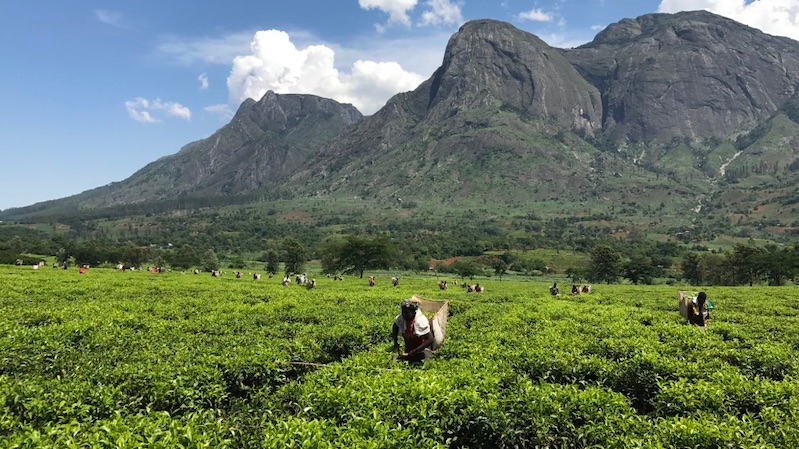
Malawi, nestled in southeast Africa, is a fast-growing tea producer and exporter. Its lush, mountainous terrain provides the perfect environment for cultivating the flavourful black teas for which the country has garnered acclaim. While smallholder farmers contribute significantly, large estates also play a vital role in Malawian tea production with reports citing that the industry employs over 70,000 people directly and indirectly, making it a crucial source of income and livelihood in rural areas.
Beyond economic benefits, tea cultivation fosters environmental sustainability. The Malawian government, in collaboration with the Tea Research Foundation, promotes sustainable farming practices to protect soil health and conserve water resources. This ensures the long-term viability of the industry and the well-being of communities dependent on it.
3. Rwanda: Where Quality Reigns Supreme
Rwanda, known for its verdant hills and gorilla sanctuaries, is also emerging as a force to be reckoned with in the African tea market. While its production volume is smaller compared to Kenya, Rwandan tea boasts exceptional quality, fetching premium prices in international markets. This focus on quality stems from the government’s strategic investment in the industry, promoting smallholder participation and modern processing techniques.
Tea cultivation has also played a significant key role in Rwanda’s post-genocide reconstruction efforts, providing income and employment opportunities, particularly for women who make up a significant portion of the workforce. The industry also contributes to peacebuilding by fostering cooperation and economic integration between communities.
4. Tanzania: Diversity and Innovation and the helm of success
Tanzania boasts diverse tea-growing regions, each producing unique flavours and characteristics. From the strong, malty teas of Usambara to the delicate, floral teas of Mufindi, Tanzanian tea offers a variety for discerning palates. The industry is dominated by large estates, but smallholder participation is gradually increasing.
Innovation is key for Tanzania’s tea sector. The Tea Board of Tanzania and research institutions are actively exploring new technologies and varieties to enhance productivity and quality. This focus on innovation ensures the industry remains competitive in the global market, benefiting both producers and local communities.
The Ripple Effect: Beyond Economics
The story of Africa’s tea industry goes beyond economic benefits. Tea cultivation empowers women, providing them with income and decision-making power. It fosters education, with some arguing that tea-growing communities often boast higher literacy rates than non-tea-growing areas. Additionally, tea farming contributes to environmental protection, encouraging sustainable land management practices.
Looking Forward: A Sustainable Future
The future of Africa’s tea industry appears bright. Growing global demand for high-quality produced and organically sourced teas presents exciting opportunities for African tea growers and the wider supply chain. However, challenges remain. Addressing climate change, ensuring fair trade practices, and investing in infrastructure and skills development are crucial for sustainable growth.
By embracing innovation, collaboration, and a commitment to ethical and sustainable practices, Africa’s tea industry can continue to thrive, ensuring a brighter future for rural communities and a delicious cup of opportunity for the world.

In a town built on big names and bigger budgets, a family-run lodge on the

Nairobi, if experienced intentionally, will capture your soul. It is a city defined by a

Six nights, three Hemingways Collection addresses and my long-awaited first taste of Kenya’s North Coast.

DET spotlights the people, stories and creative energy of Africans living, working and thriving in

The refurbished David Livingstone Safari Lodge & Spa keeps its Zambezi riverfront soul, with lighter

Mawimbi Bush Camp is a new tented camp on the Kafue River in Zambia’s Kafue