

The Art of Slowing Down: Why Huvafen Fushi is the Antidote to the Over-Scheduled Holiday
In a world where even holidays have become packed with itineraries, early morning transfers and


Words by Mariam Khawer
Movement has become a measure of success in a world where everything is optimised for speed, same-day delivery, bite-sized content, and tightly packed travel itineraries. Even how we travel has fallen into this rhythm: cities blurred through train windows, meals rushed between tourist stops, and memories reduced to photos taken. We arrive, tick the box, and leave, often more tired than when we began.
But something quieter is beginning to take root.
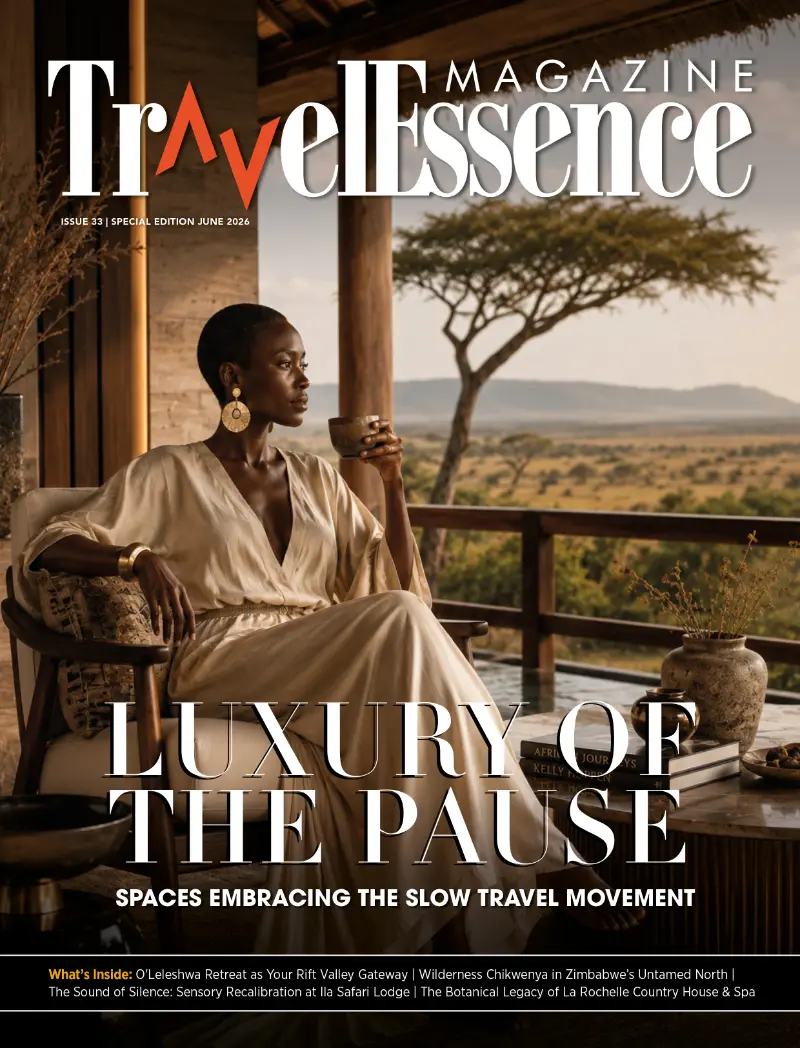
Across the Middle East, a region often defined by extremes, rapid urban growth, high-end hospitality, and big-ticket experiences, a different kind of luxury is emerging: one characterised by presence, intention, and time. It’s called slow travel, and it’s less about where you go and more about how, and why, you go.


Not a Trend, But a Return
Slow travel isn’t new. Long before bucket lists and algorithmic itineraries, travel was slow by necessity. But in a post-pandemic world after years of rushed experiences and digital overload, its resurgence feels less nostalgic and more necessary.
There’s a growing desire among travellers to feel connected, not just entertained, to be fully immersed in a place rather than pass through it.
Eco-Retreats: Nature as the New Luxury
The traditional image of luxury, crisp white sheets, concierge service, and a skyline view, still exists. Still, a different version is increasingly drawing attention: off-grid lodges, solar-powered suites, and dinners lit by candlelight instead of chandeliers. In the Middle East, this shift is quietly redefining how luxury is experienced.
In Jordan, Feynan Ecolodge, located deep within the Dana Biosphere Reserve, has become a benchmark for sustainable tourism in the region. Run by the Royal Society for the Conservation of Nature, the lodge offers something rare: silence. There are no televisions or minibars, only hand-poured candles, vegetarian meals made from local ingredients, and the chance to engage with nearby Bedouin communities.
In the UAE, slow travel takes shape not only in glamping escapes but also in places layered with meaning. Jebel Hafeet Desert Park, tucked beneath Abu Dhabi’s highest peak, offers more than desert serenity; it’s a UNESCO-recognised site of archaeological and historical importance. At Pura Eco Retreat on Jebel Hafeet, barefoot luxury meets intentional living.
Further afield, Terra Solis by Tomorrowland, nestled in the Dubai desert, offers a different take: a design-led, solar-powered retreat where dune serenity meets creative escape. While music is part of the brand’s DNA, the retreat is surprisingly tranquil. Think stargazing, outdoor yoga, and firepit dinners, not thumping beats.
What unites these places isn’t just their location. It’s their commitment to offering a luxury that isn’t about extravagance; it’s about minimalism.


Disconnect to Reconnect
We talk a lot about unplugging, but we rarely do it. We switch off notifications but scroll anyway. We go on vacation, but pack our stress alongside sunscreen. True disconnection takes intention, and increasingly, travellers seek spaces that make that possible.
The Retreat Palm Dubai offers a range of holistic wellness programs through its Rayya Wellness Centre, including personalised retreats focused on relaxation and rejuvenation. These programs feature services such as guided meditation, naturopathy consultations, and various wellness therapies aimed at helping guests disconnect from daily stressors.
In Ras Al Khaimah, The Ritz-Carlton Al Wadi Desert offers its version of digital silence. Set within a 1,235-acre nature reserve, the resort encourages stillness, whether it’s through a falconry walk at sunrise, stargazing from a private pool deck, or simply watching gazelles move across the dunes.
Oman’s Alila Jabal Akhdar takes this even further. Perched 2,000 metres above sea level, it trades beach clubs for canyon hikes and nightlife for night skies. There are no gimmicks, just crisp air and stone paths.
These aren’t just places to detox from devices. They offer something more lasting: being unreachable and not minding it for once.


Immersive Itineraries: Travel That Sticks
Not all slow travel happens in retreat. Sometimes, it’s a walking trail through history, or a quiet afternoon spent learning to cook with someone’s grandmother. These experiences don’t appear neatly on social media but stay with you long after the trip ends.
In Oman, Ghudu, a sustainable travel company founded by Omani women, offers experiences that feel like an open invitation into the rhythm of local life. In the southern Dhofar region, travellers are guided through frankincense forests and desert wadis, visit pastoral settlements, and listen to traditional Jabbali songs passed down across generations. There are no fixed agendas. The journey unfolds in real time, quiet, grounded, and deeply human.
Even in the UAE, where superlatives are the norm, slower, more rooted itineraries are quietly emerging. In the old town of Sharjah, travellers can explore preserved coral-stone architecture, calligraphy museums, and traditional souks that invite lingering. In Hatta, the Heritage Village and surrounding hiking trails offer a glimpse into the country’s mountainous past, before skyscrapers shaped the skyline. And in Al Ain, palm-shaded oases and centuries-old forts reveal a side of the Emirates rarely seen.

The Takeaway
Slow travel works because it asks for something of you, not your money or your checklist, but your attention. It challenges the speed and spectacle we associate with a “good” trip and replaces them with patience, perspective, and presence.
The Middle East is often associated with extremes, fast cars, tall towers, and rich histories told in broad strokes.
Slow travel doesn’t promise adrenaline or endless content. It offers a rarer chance to feel a place rather than just visit it.
So the next time you travel, not just to the Middle East, but anywhere, consider choosing fewer places, but staying longer. Choose quiet over spectacle. You might find that in doing less, you remember more.

In a world where even holidays have become packed with itineraries, early morning transfers and

For those of us lucky enough to have been to a safari lodge, there is

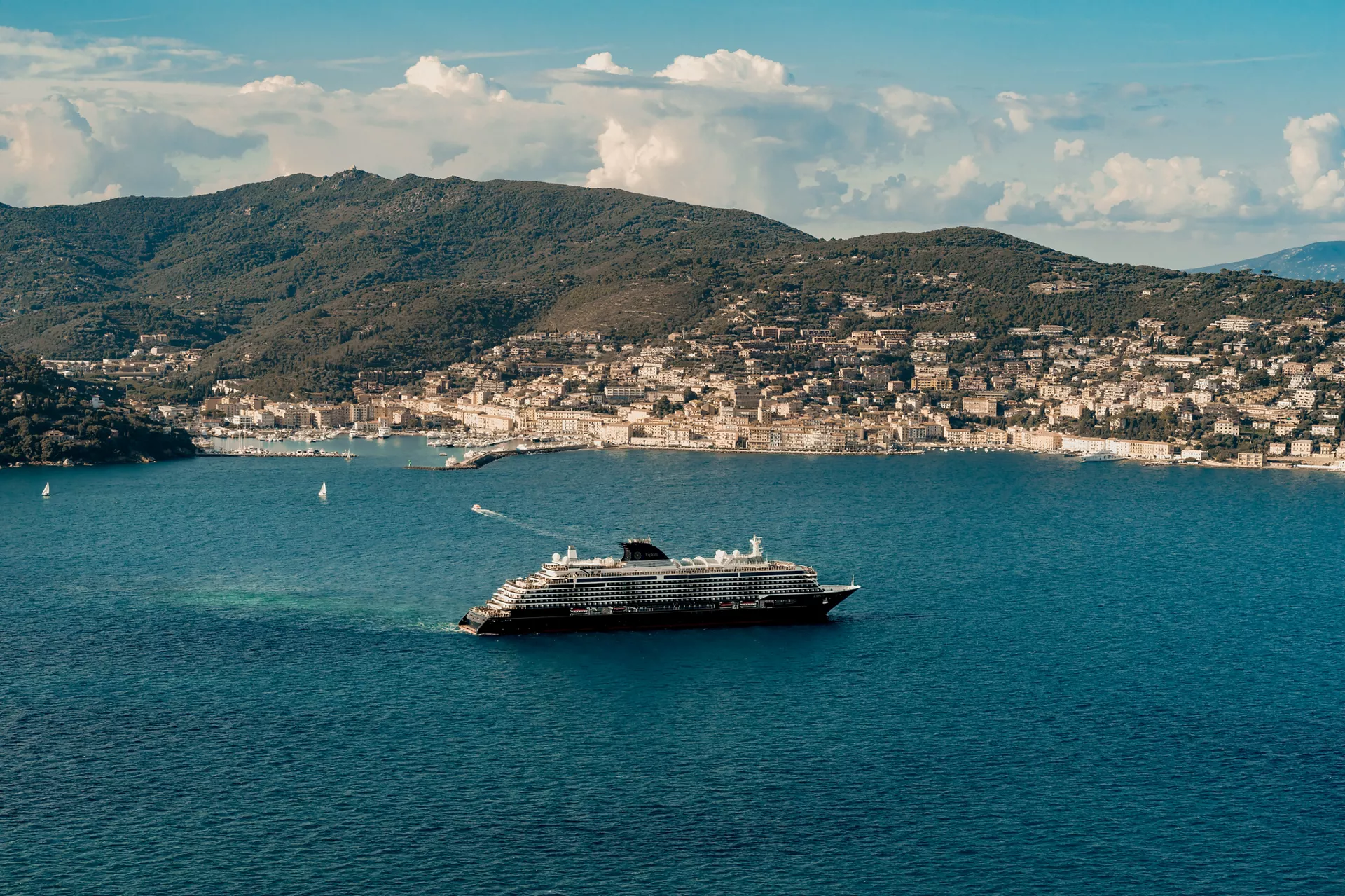
Explora Journeys reimagines luxury travel with a hotel that moves with you—discover why the future
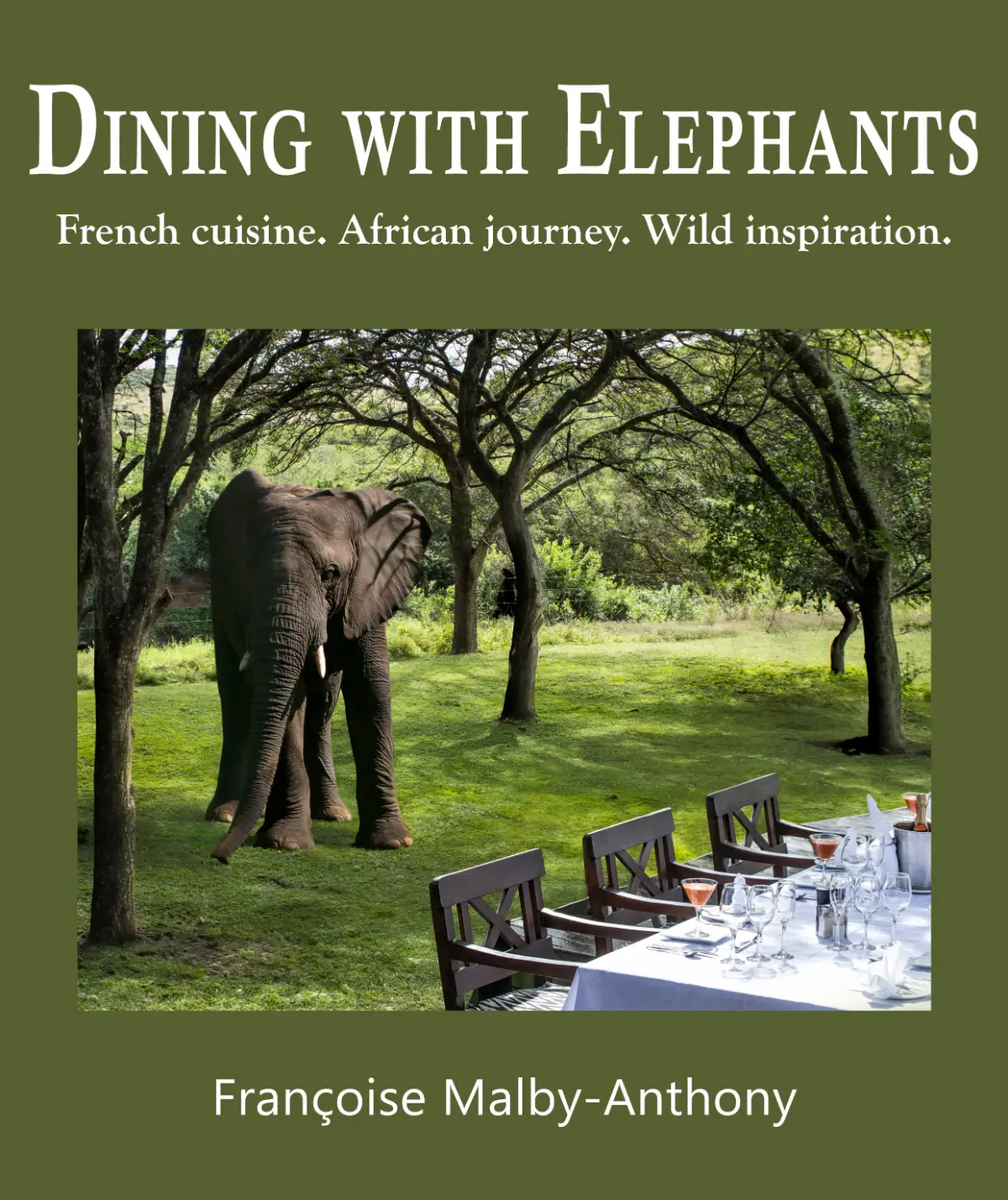
Meet Françoise Malby-Anthony, the Parisienne who became guardian of Thula Thula, South Africa’s iconic elephant
Escape Dubai’s fast pace for the profound stillness of Zambia’s bush at Ila Safari Lodge—a

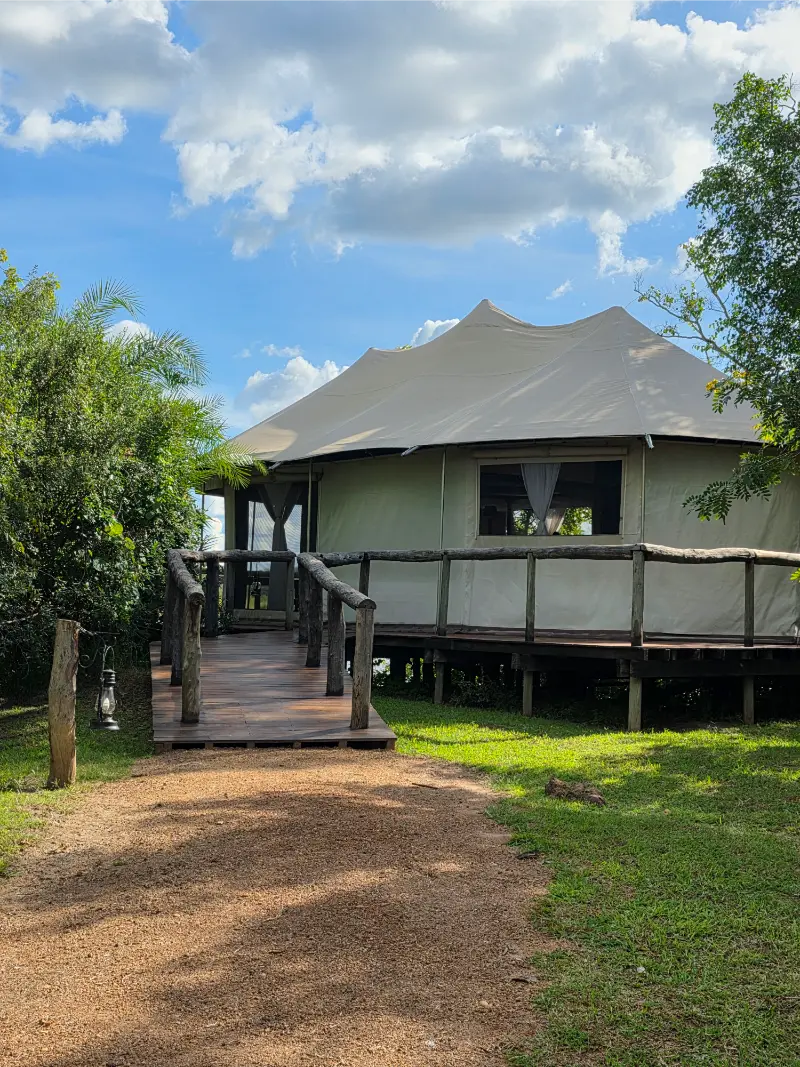
Journey through Zambia’s Kafue National Park on a 12-day expedition blending untamed wilderness, curated luxury