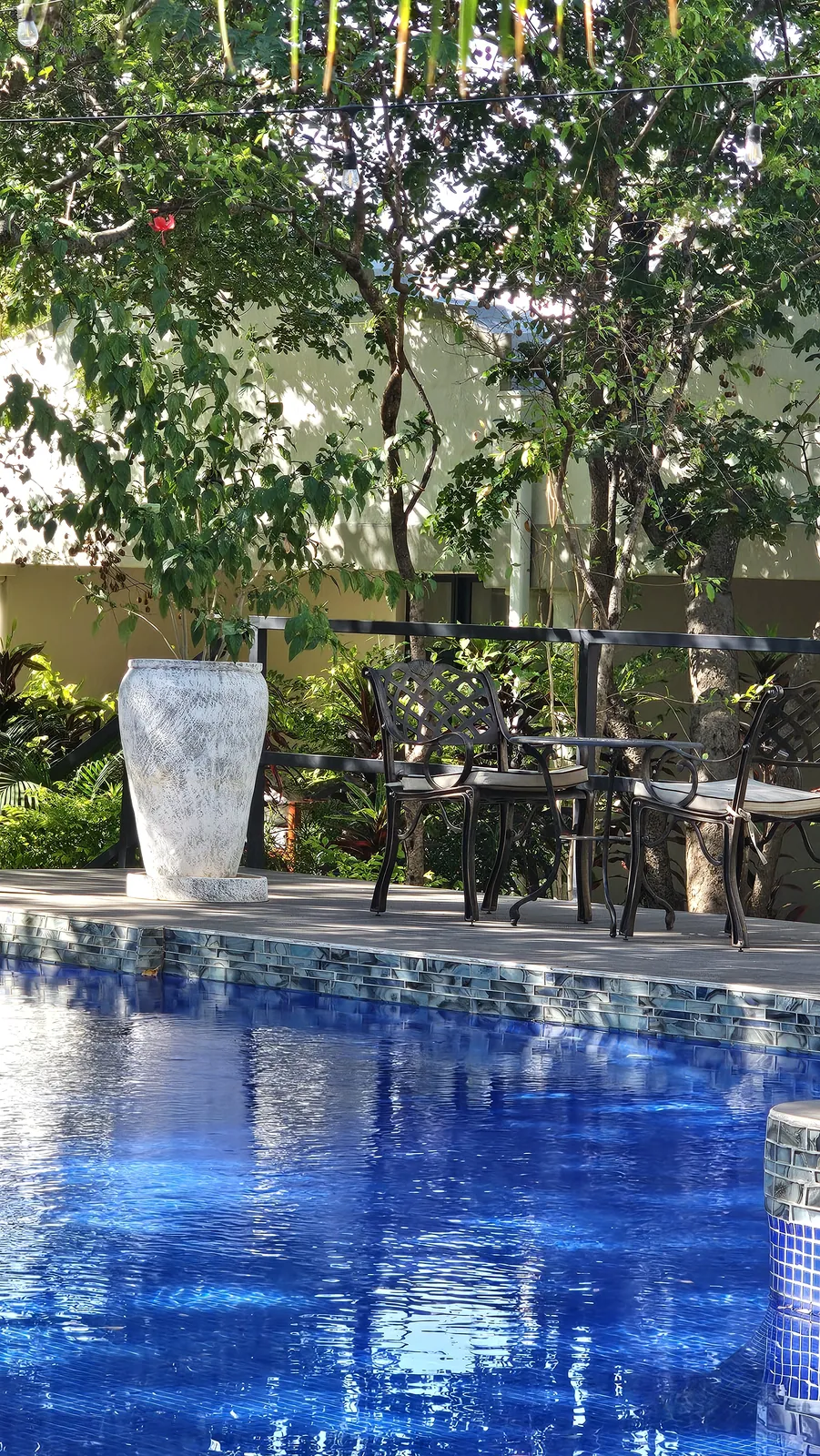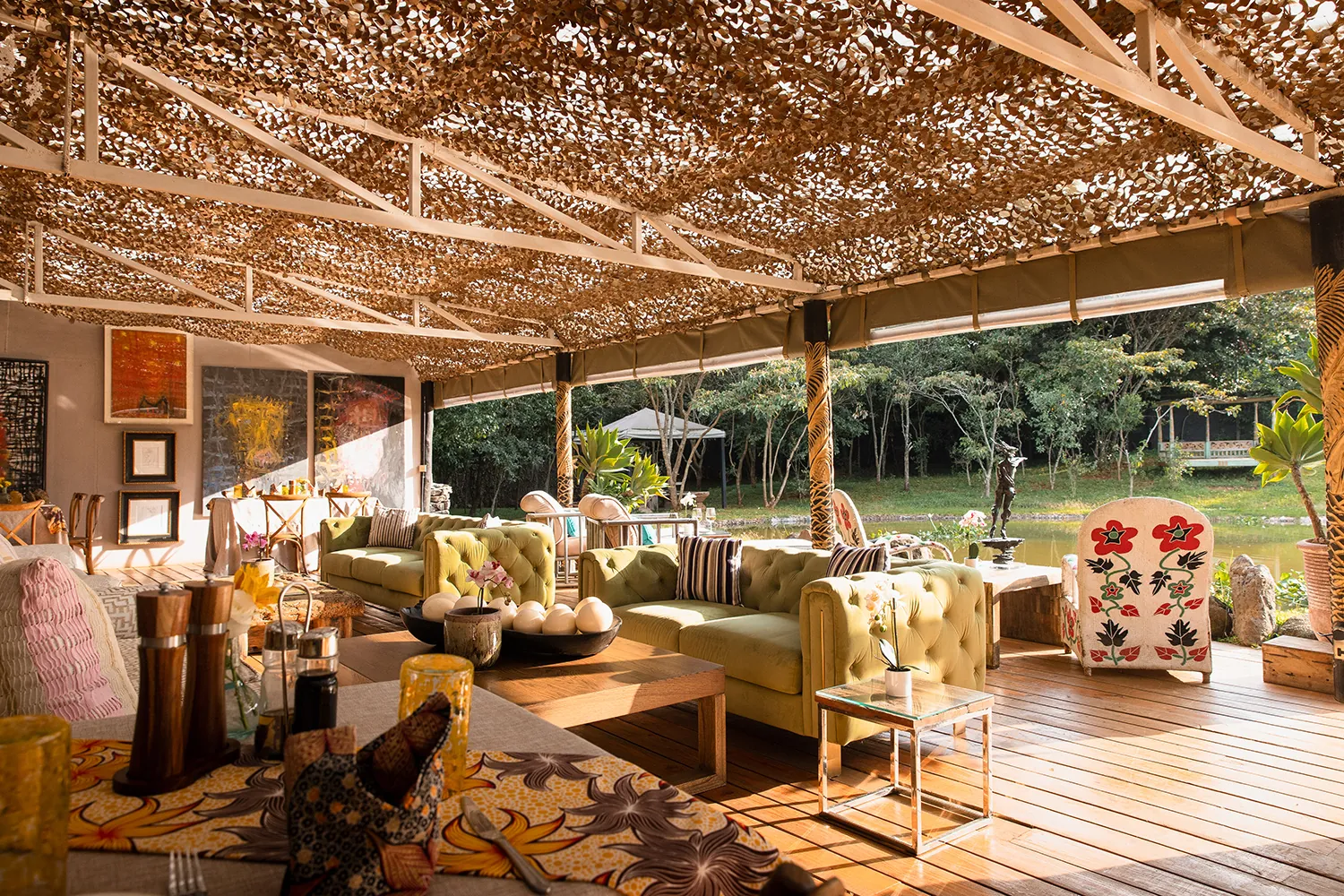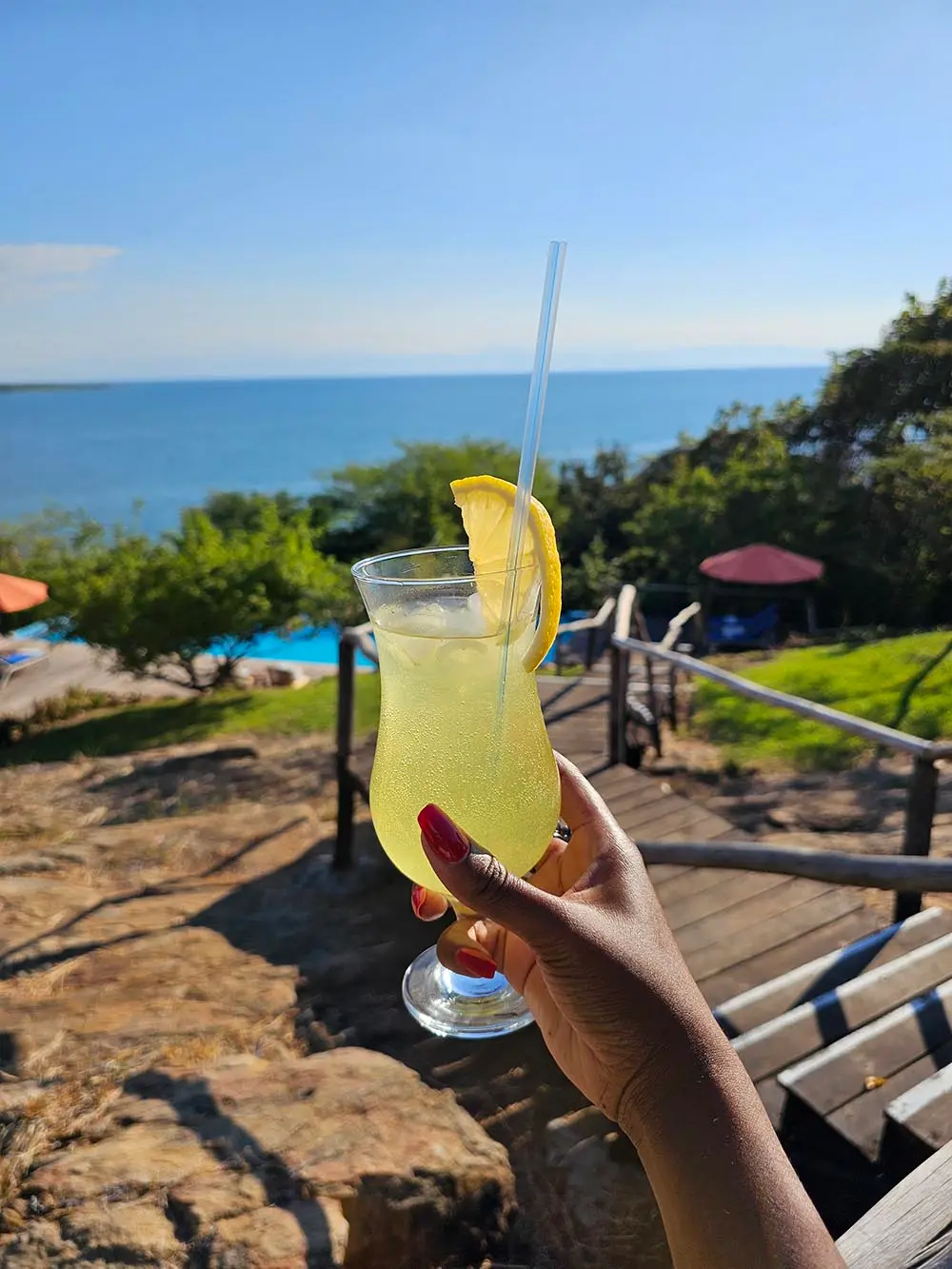



Rooted in Resilience: The Homegrown Charm of Kasambabezi Lodge
In a town built on big names and bigger budgets, a family-run lodge on the


What does a glass of wine have to do with a rhino’s survival? At a handful of Minor Hotels properties across Africa, the answer is now written directly onto the label.
In brief: Minor Hotels has partnered with Saving the Wild, the conservation charity Jamie Joseph founded in 2014, on an exclusive trio of Hoopenburg wines served across its hotels in Africa. Rhino, elephant and pangolin labels carry gold-foil details and a QR code to the charity’s films, and proceeds fund anti-poaching work and advocacy for stronger wildlife laws and specialised courts.
Travel has always been an act of storytelling. We go somewhere, and we come home carrying a version of it with us. What’s changing, quietly but meaningfully, is who gets to author that story. Minor Hotels’ new partnership with Saving the Wild, the Africa-based conservation charity founded by Jamie Joseph in 2014, hands some of that authorship back to the continent’s most endangered species — one bottle of wine at a time.
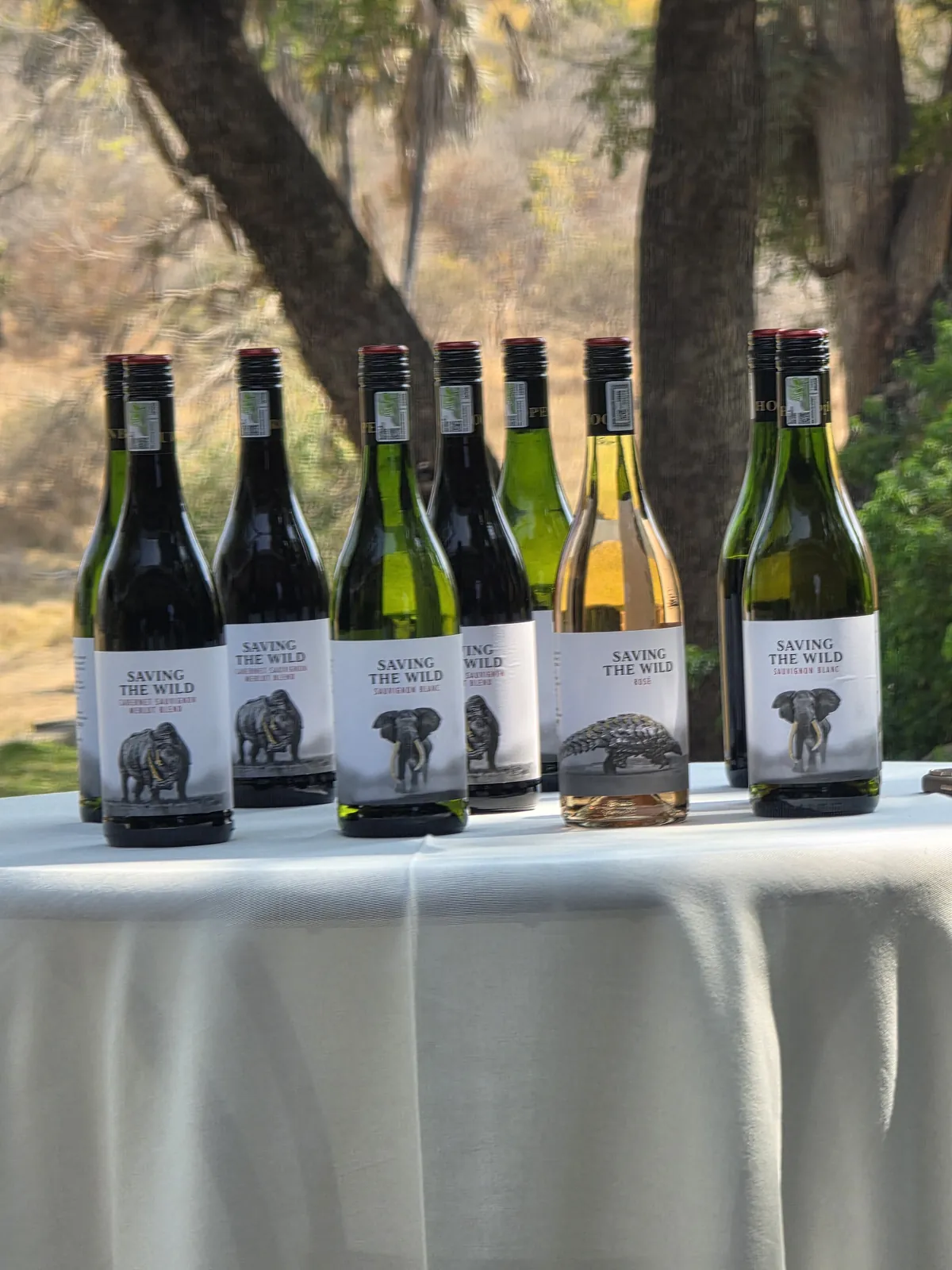
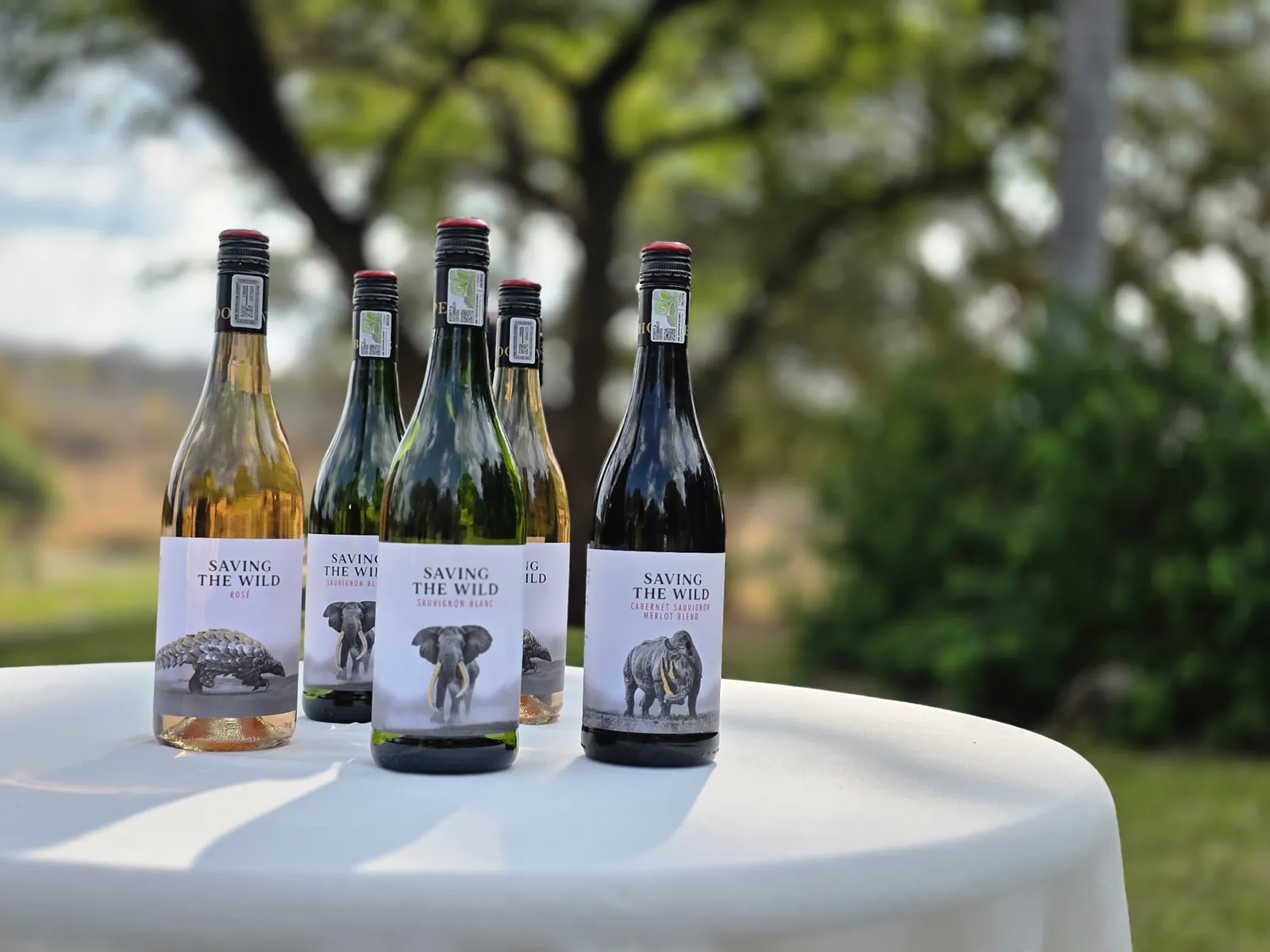
The Saving the Wild collection is a trio: a Cabernet/Merlot blend, a Sauvignon Blanc, and a Rosé, produced by Hoopenburg Wine Estate on its dry-land, bush-vine vineyards in Stellenbosch. But the wine is only half the point. Each bottle carries fine art wildlife photography — a rhino for the Cabernet/Merlot by William Fortescue, an elephant for the Sauvignon Blanc by James Lewin, a pangolin for the Rosé by Aaron Gekoski — with the horn, tusks and scales picked out in gold foil embossing. These are, deliberately, the exact features that make each animal a poaching target. The label isn’t decoration here; it’s an compelling, artistic expression of the argument.
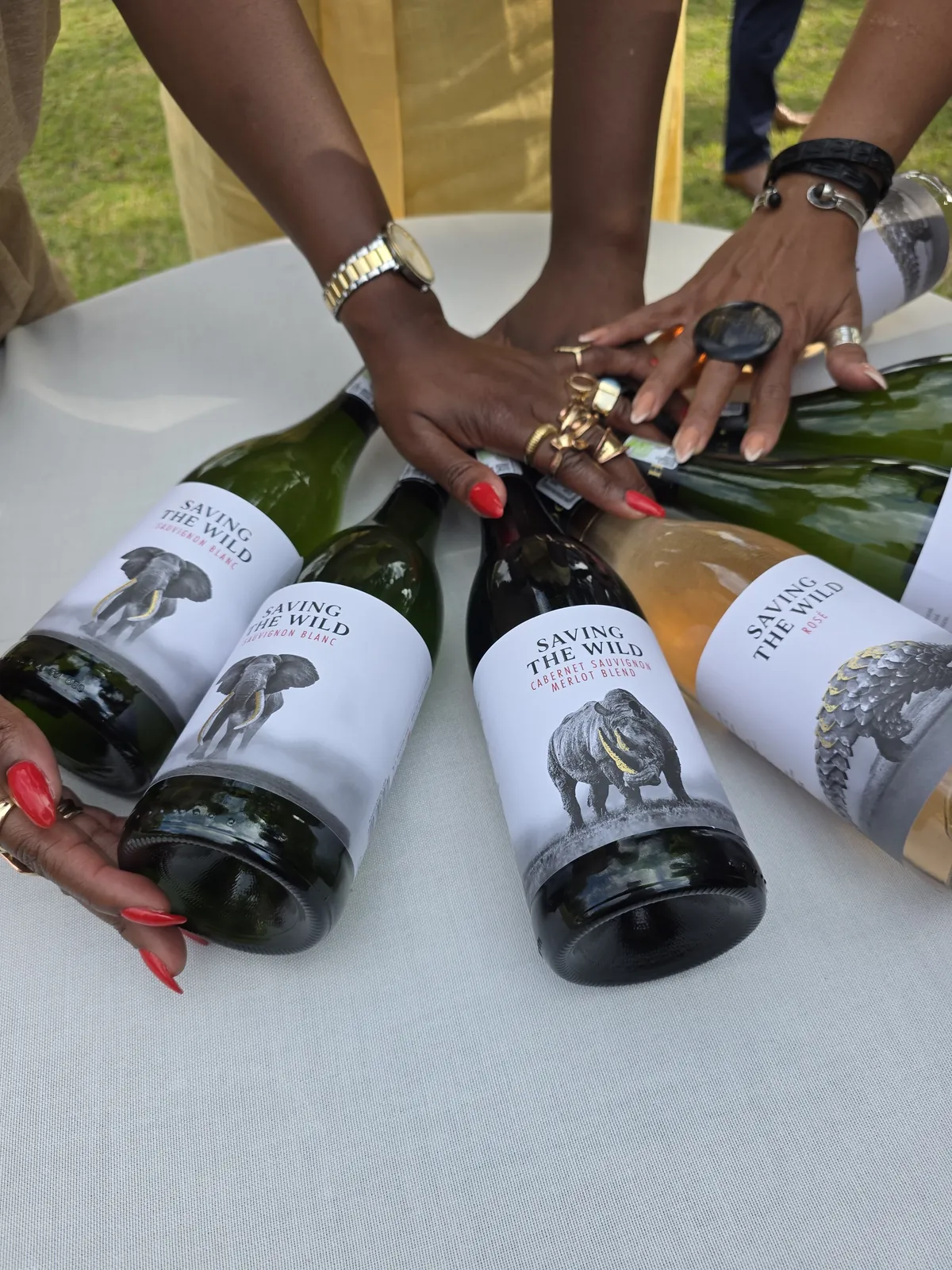
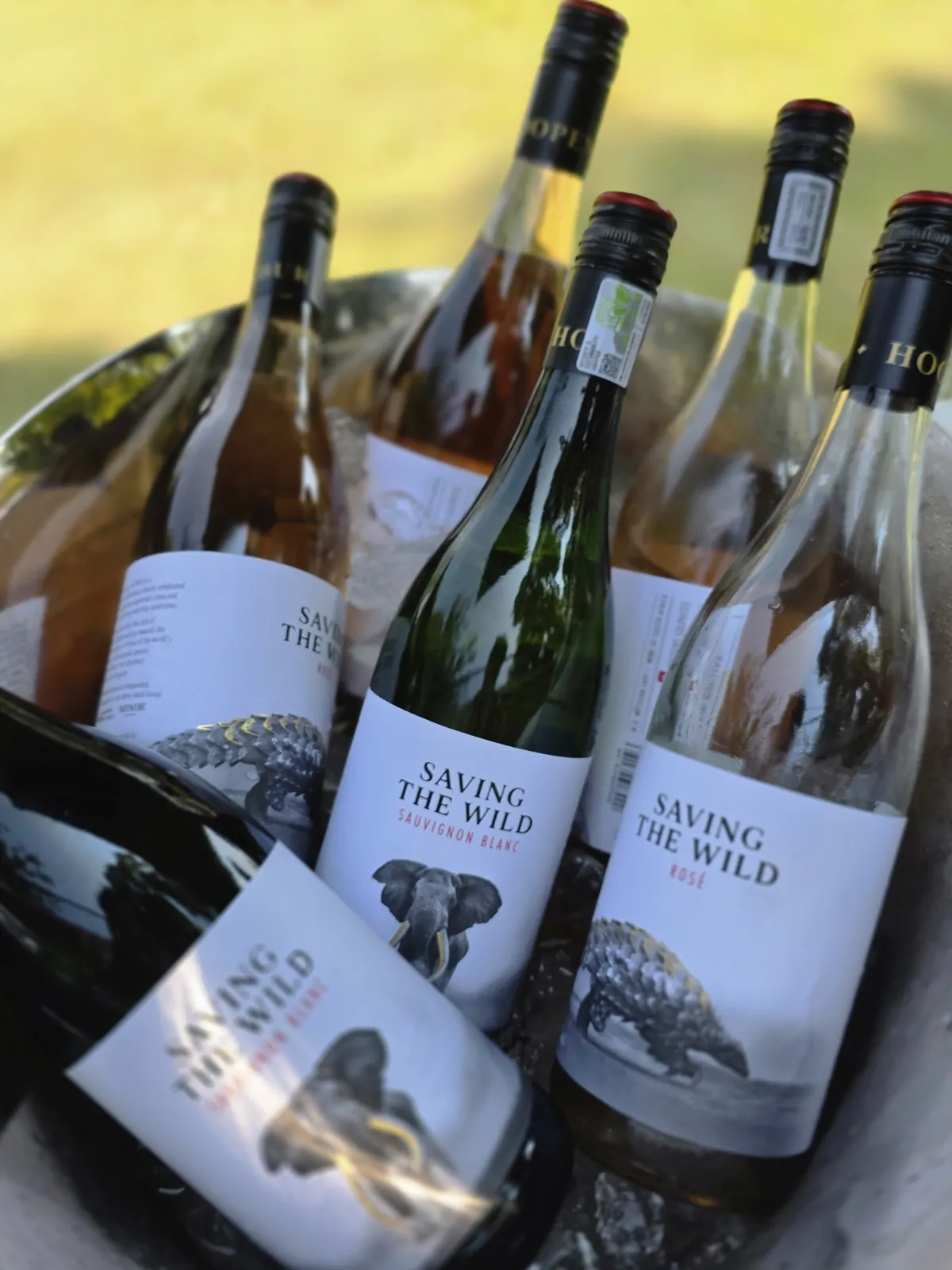
Scan the QR code on any bottle and the story keeps going. It opens onto Saving the Wild’s short film content — including Rhino: The Endgame, released in the wake of Dr Jane Goodall’s passing, and Kimana Tuskers, produced with an Academy Award–winning team and narrated by Djimon Hounsou. Saving the Wild’s work has, remarkably, travelled even further than that: its story is now the basis of a feature film in development by Margot Robbie’s LuckyChap Entertainment, with production expected to begin in South Africa. A dinner-table wine has become, in effect, a distribution channel for a cause most travellers would otherwise never encounter.
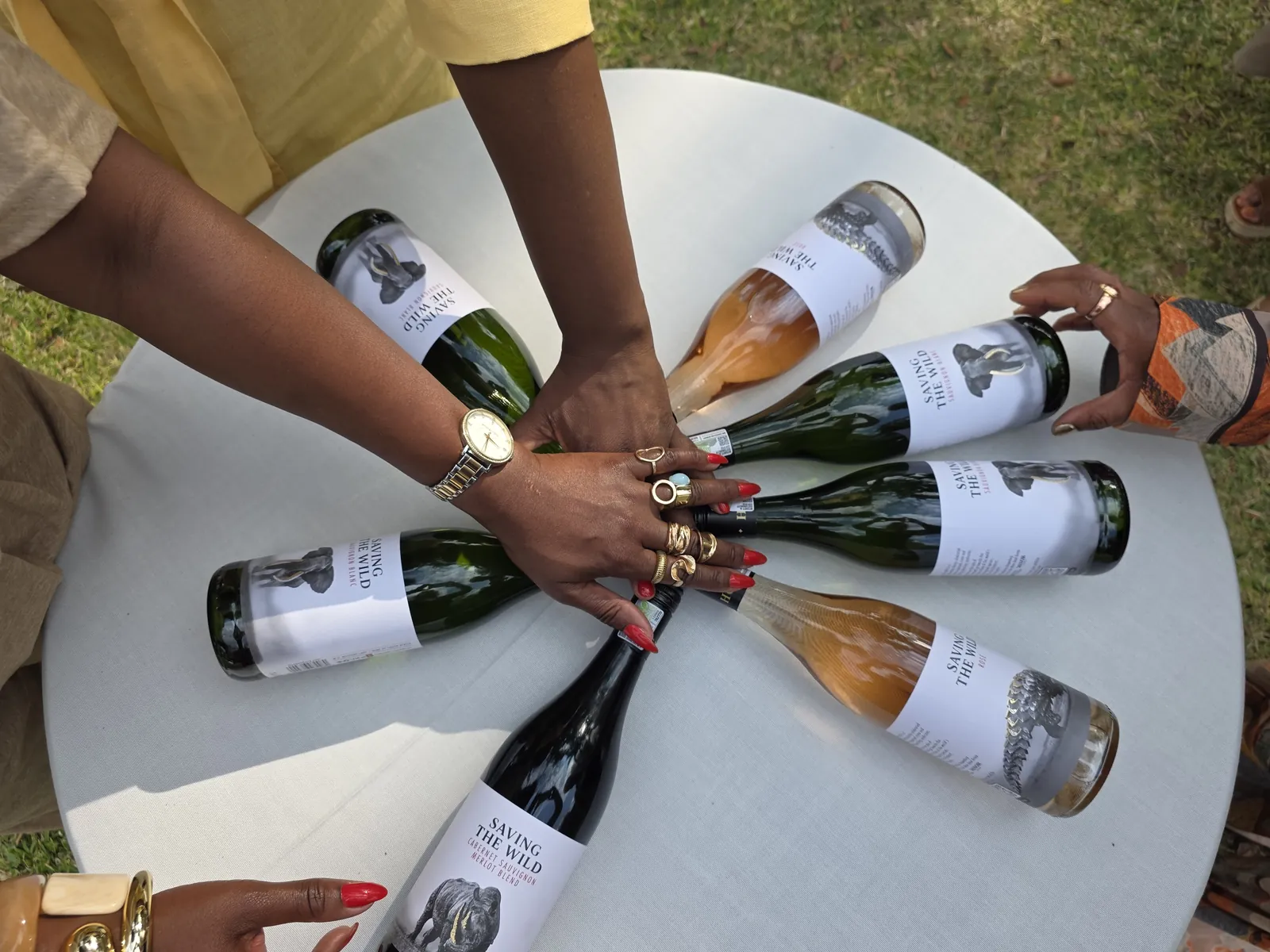
It would be easy to read this as clever cause marketing and stop there. What sets it apart is where the proceeds go: not only toward anti-poaching efforts on the ground, but toward Saving the Wild’s advocacy for specialised courts and stronger legislation for endangered species.
“The greatest challenge facing South Africa’s rhino crisis is the lack of legislation that truly deters poachers and specialised courts,” says Jamie Joseph. “Most offenders receive nothing more than minor fines or weak prison sentences, which means there is little incentive for them to stop.” A glass of wine, in this framing, isn’t just funding a ranger’s salary; it’s funding the slow, unglamorous work of changing the law.
The most telling line in the whole partnership may be Joseph’s own reflections of being born in Zimbabwe, staying at Anantara Stanley & Livingstone Hotel in Zimbabwe and soldiering on through her commitment to conservation:
“It shows us what is possible when wildlife is truly protected. Spending time with rangers and black rhinos on the private game reserve — seeing these magnificent animals move freely across the land — was inspiring.”
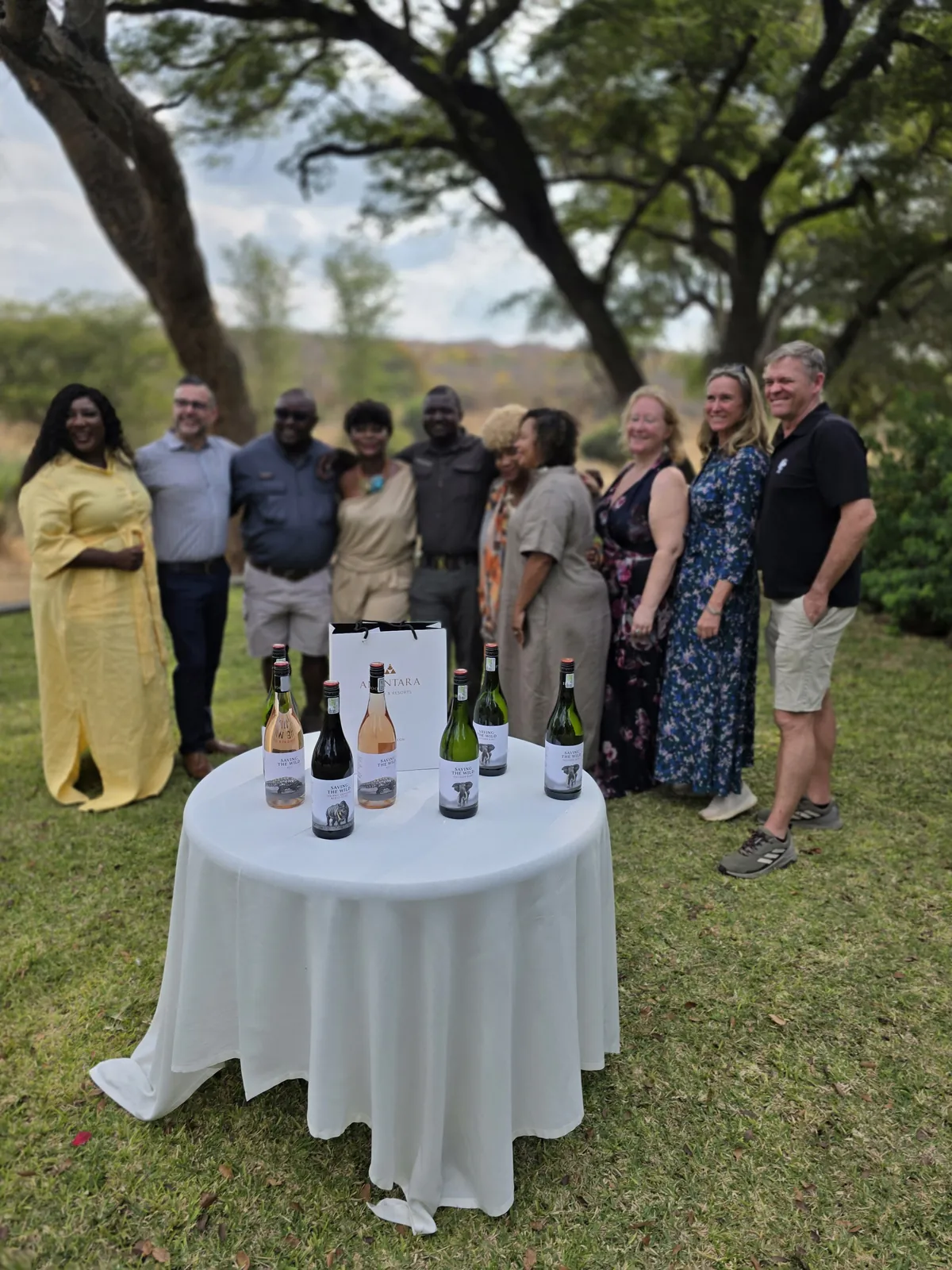
That’s the intersection this collaboration really lives in: the traveller on a game drive and the conservationist fighting for better legislation are, increasingly, drawing from the same well.
As Nico Vivier, Minor Hotels Africa’s Regional Director of Operations & Development, puts it: “As Minor Hotels expands into more of Africa’s protected wilderness areas, we believe the protection of these ecosystems is our shared responsibility. Sustainability is at the heart of the Minor Hotels brand, making this conservation partnership a natural fit. Because exceptional food and beverage is central to great hospitality, we jumped at the opportunity to collaborate with Hoopenburg and Saving the Wild on an exclusive range of three wines, available across all Minor Hotels in Africa, which directly helps raise funding for vital wildlife conservation legislation.”
The inspiration in this collaboration isn’t really about wine, or even about rhinos, elephants and pangolins specifically. It’s about what happens when a hospitality brand stops treating conservation as a line in its sustainability report and starts weaving it into the actual experience a guest has — what’s on the table, what’s on the label, what a QR code unlocks after dinner.
For travellers to Africa, it’s a reminder that the choices made on holiday, down to what’s poured at dinner, can be part of a much longer story than the trip itself. And for an industry built on showing people beautiful places, it’s a quiet argument that the next chapter of luxury travel may be judged less by what it offers guests, and more by what it leaves behind for the wild.
FOR HOTELS, LODGES & TOURISM BRANDS
Travel Essence Magazine brings the soul of African and Middle Eastern hospitality to discerning travellers, through quarterly print features, on-location reviews, our newsletter and the Travel Essence with Yvonne docuseries.
Newsletter features from $100 · Advertorials from $450 · Invite-us-over reviews
An Africa-based conservation charity founded by Jamie Joseph in 2014. It funds anti-poaching work and campaigns for specialised courts and stronger legislation for endangered species.
Three wines produced by Hoopenburg Wine Estate in Stellenbosch: a Cabernet/Merlot blend with a rhino label, a Sauvignon Blanc with an elephant label and a Rosé with a pangolin label.
The range is exclusive to Minor Hotels and available across all of its hotels in Africa.
It opens Saving the Wild’s short films, including Rhino: The Endgame and Kimana Tuskers, which was produced with an Academy Award-winning team and narrated by Djimon Hounsou.
Proceeds support anti-poaching efforts and Saving the Wild’s advocacy for specialised courts and legislation that truly deters poachers.
To connect with Save the Wild on Instagram, visit https://www.instagram.com/saving_the_wild/?hl=en
To discover Minor Hotels Properties Globally, visit https://www.minorhotels.com/en
Related reading on Travel Essence:

In a town built on big names and bigger budgets, a family-run lodge on the
Nairobi, if experienced intentionally, will capture your soul. It is a city defined by a

Six nights, three Hemingways Collection addresses and my long-awaited first taste of Kenya’s North Coast.

DET spotlights the people, stories and creative energy of Africans living, working and thriving in

The refurbished David Livingstone Safari Lodge & Spa keeps its Zambezi riverfront soul, with lighter

Mawimbi Bush Camp is a new tented camp on the Kafue River in Zambia’s Kafue