
Rooted in Resilience: The Homegrown Charm of Kasambabezi Lodge
In a town built on big names and bigger budgets, a family-run lodge on the


Words by Yvonne C Mtengwa
Some suites impress you. Mine at Tawana Camp simply kept going: a huge bedroom, a lounge, a bathroom to match and a deck that wrapped around it all, facing the Gomuti River. In Botswana’s Moremi Game Reserve, on land a Batawana chief’s family set aside for wildlife in 1963, this is a camp that is generous in every sense.
In brief: Tawana Camp is a Natural Selection camp that opened in 2024 in the south-east of Moremi Game Reserve, on the Gomoti River in Botswana’s Okavango Delta. It has eight solar-powered suites of around 100 square metres on raised walkways and is named in honour of Batawana paramount chief Tawana Moremi. Reserve rules mean there are no night drives.
The journey began in Dubai as most do. I flew to O.R. Tambo International Airport in Johannesburg and on to Maun, the small town that serves as the gateway to the Okavango Delta. It is in Maun that my traverse through the Delta began: three camps from Natural Selection’s portfolio in Botswana, with two nights at each. Duke’s Camp came first, then North Island Okavango. Tawana, in Moremi Game Reserve, was the last stop, and I flew in on a 12-seater charter.
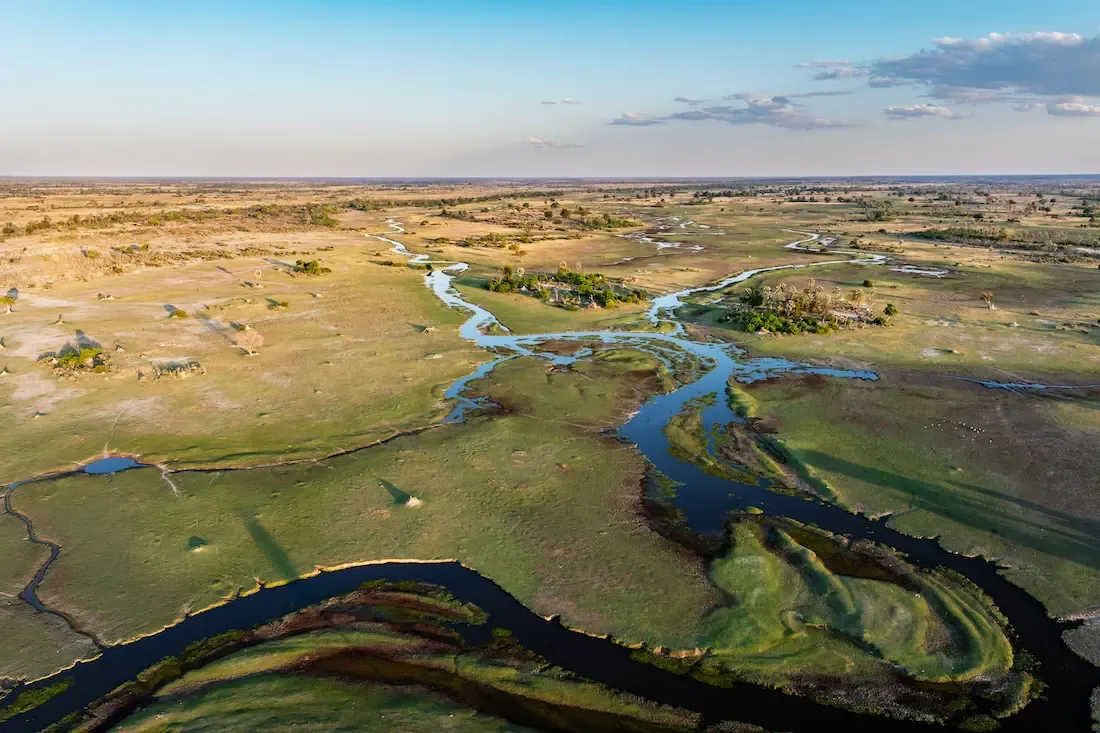
Moremi Game Reserve lies on the eastern side of the Okavango Delta: just under 5,000 square kilometres of floodplain, lagoon, mopane woodland and acacia forest. It was proclaimed in 1963, when the Batawana people, led by Elizabeth Pulane Moremi, the widow of Chief Moremi III, set aside their ancestral hunting grounds to protect the wildlife.
Tawana Camp carries that story forward. Opened in 2024, it is named in honour of Chief Tawana Moremi, paramount chief of the Batawana, whose father and grandmother took that decision more than 60 years ago. Natural Selection built the camp in partnership with him.
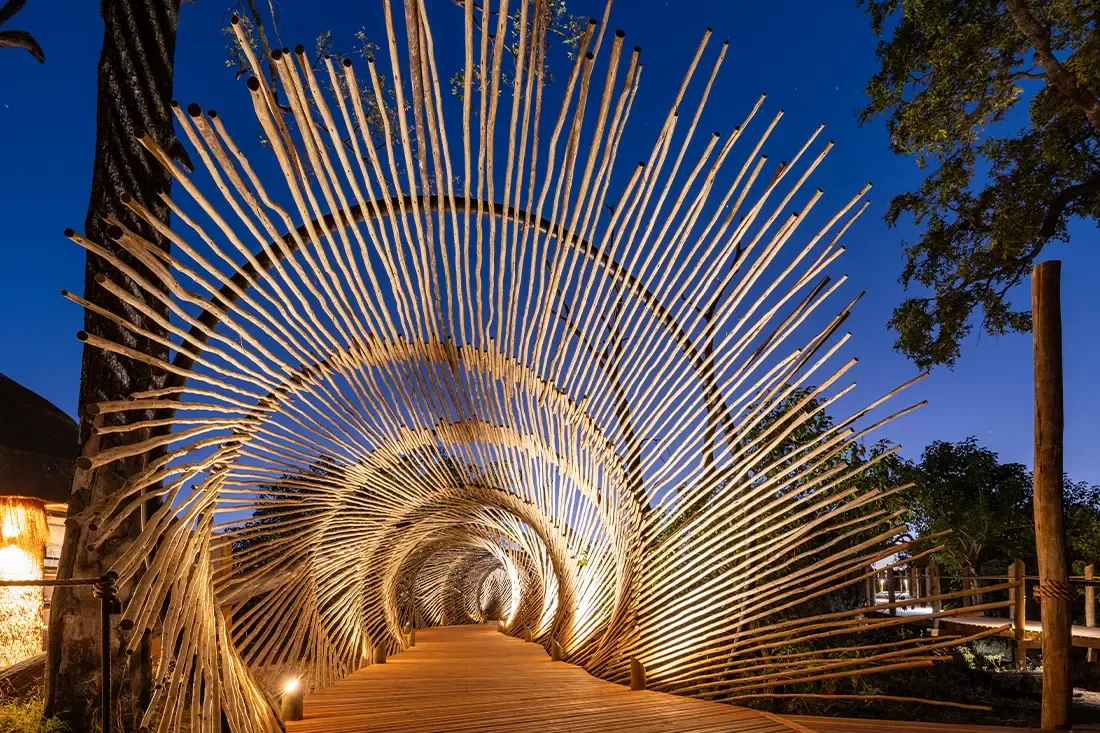
It stands in the reserve’s south-east, on the banks of the perennial Gomoti River, beneath ebony and sausage trees. Eight suites are strung along raised walkways, so that wildlife can pass beneath, and the whole camp runs on solar power.
It is the space I must tell you about. Each suite at Tawana stretches to around 100 square metres, and mine felt vast. A huge bedroom sits at its centre and divides the suite in two, with a lounge on one side and the bathroom on the other. There is a shower indoors and another outside, and a bathtub generous enough to match the rest.
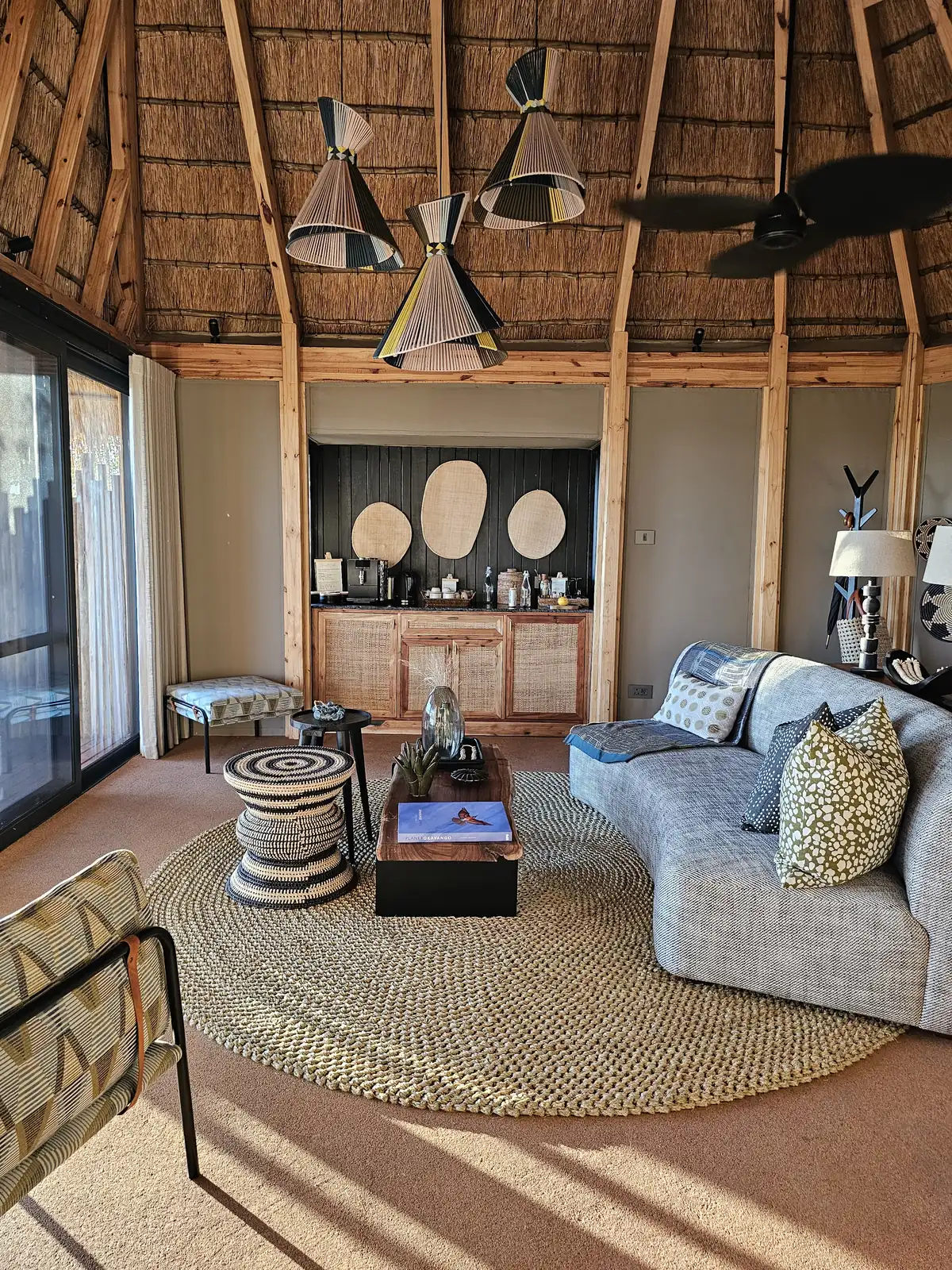
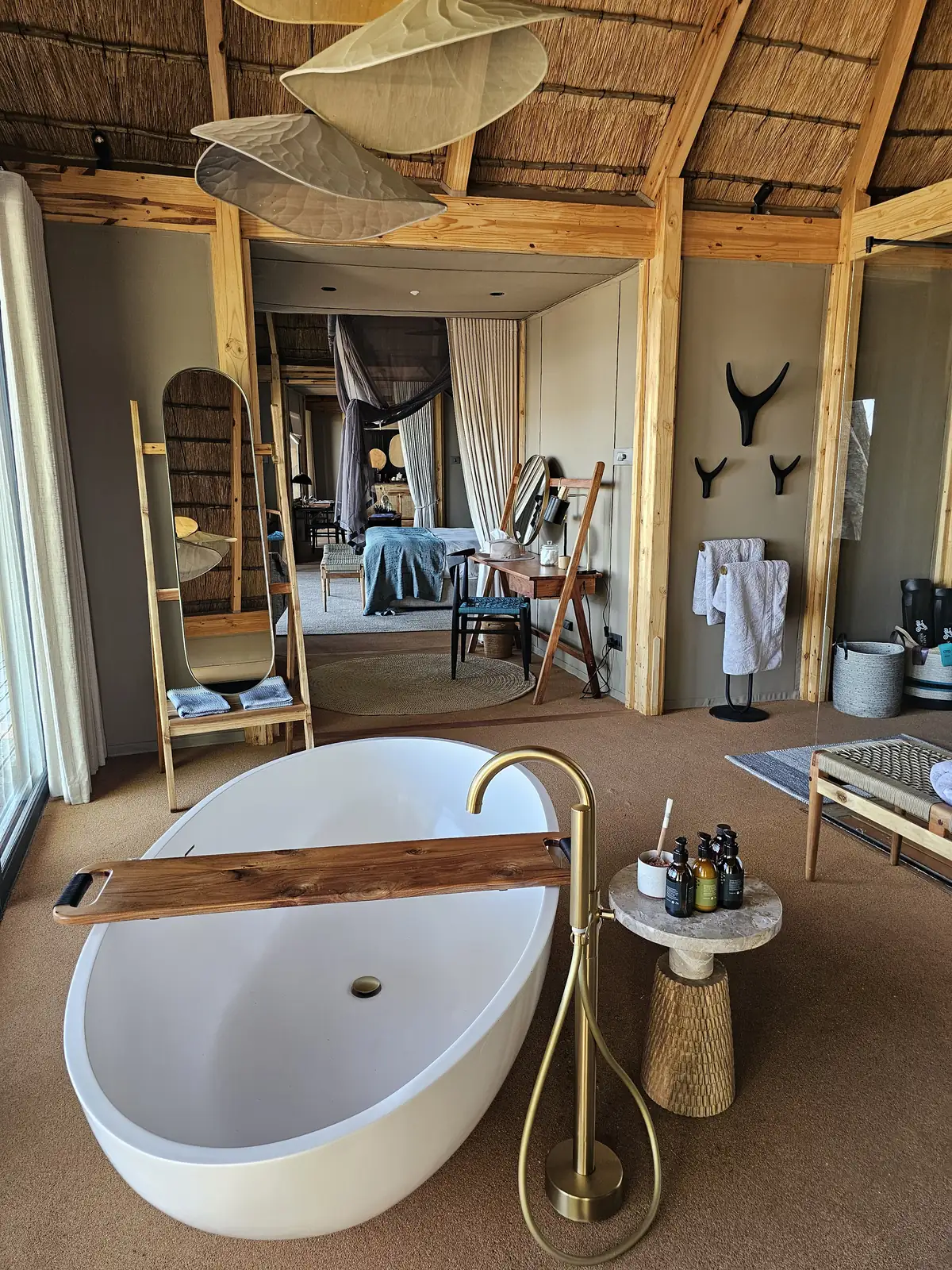
What made it particularly special to me were the textures, and the use of turquoise accents against natural colours. Then there was the deck. It wraps around the suite, and it gave me front-row seating to the wildlife coming in for a drink of water at sunrise and again at sunset.
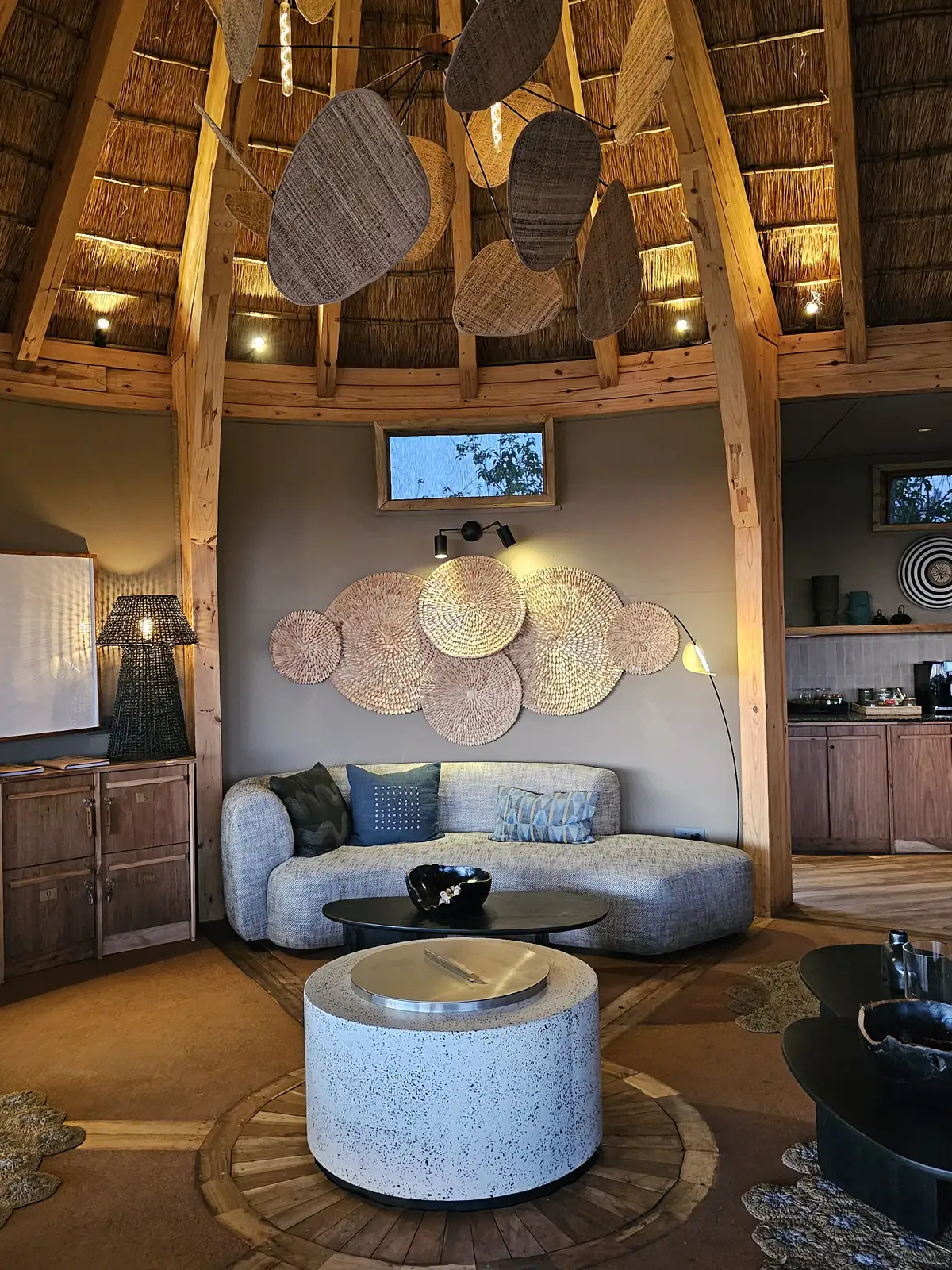
Opulence is the only word for it. In the bush, where every plank, pane and pillow arrives by road or by air, space on this scale is the greatest indulgence of all.
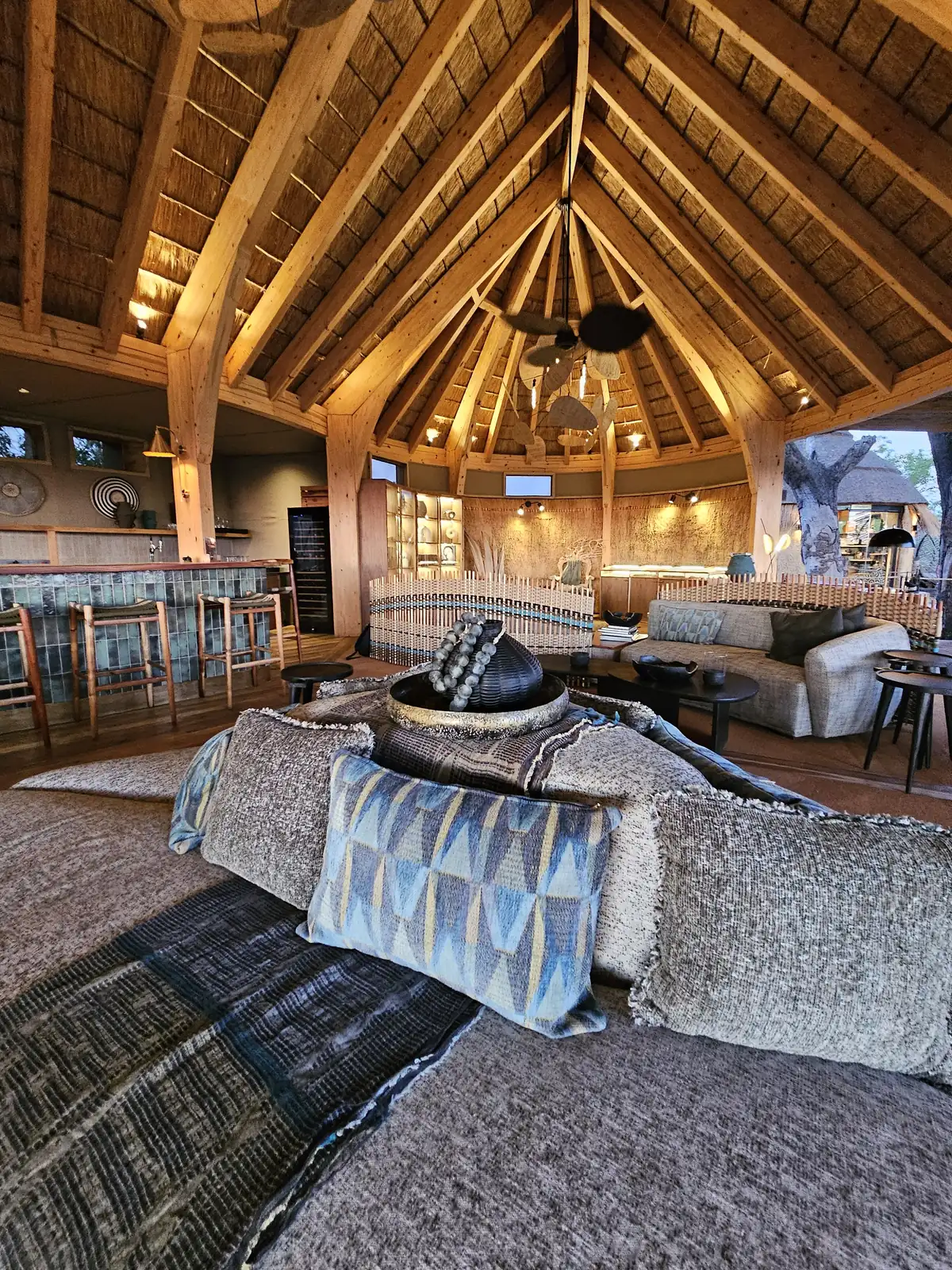
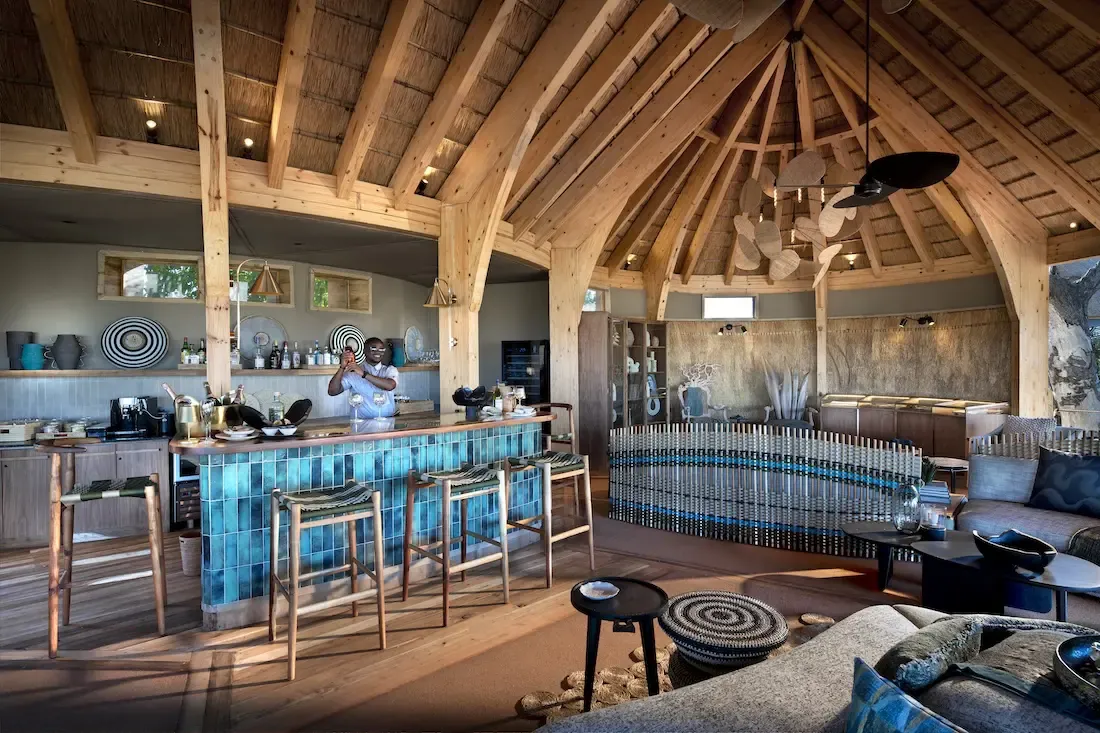
The same generosity runs through the heart of the camp. There are lounges and a library given over to Moremi’s history and Batawana culture, a walk-in wine cellar, a wood-fired pizza oven, spa treatments available onsite, a gym and a lap pool 16 metres long. Woven patterns drawn from Batawana tradition run through the interiors.
This corner of Moremi is known for its predators, lion, leopard and African wild dog among them, and for the red lechwe, hippo and elephant that the river draws. More than 400 species of bird have been recorded here.
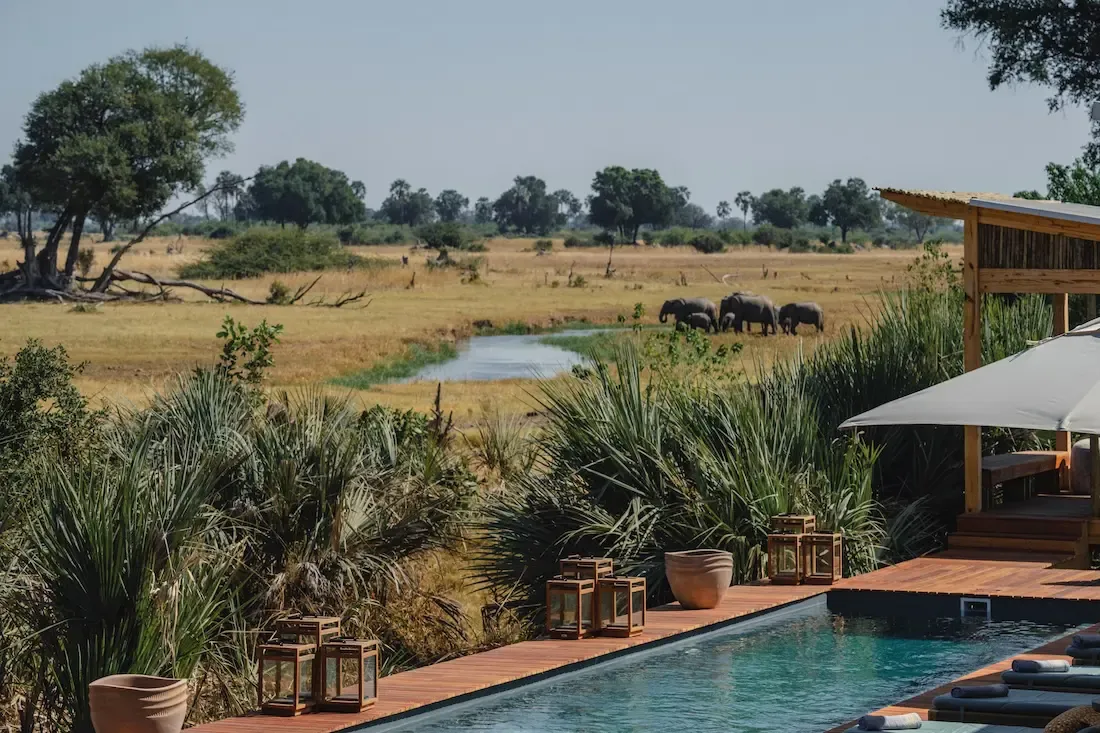
For me, though, Tawana belonged to the elephants. I saw a great many of them, just as North Island Okavango, earlier in the trip, had boasted a huge number of hippos in its marshes, especially at dawn.
The scene I will remember is an elephant with its calf, seeing off two hyenas. The hyenas, it seemed, had hoped to hunt the baby. The mother elephant had other ideas and chased them away.
Other guests returned one evening with a story of their own: a leopard in a tree, feeding on its kill. Sadly, I missed it, having opted out of that drive.
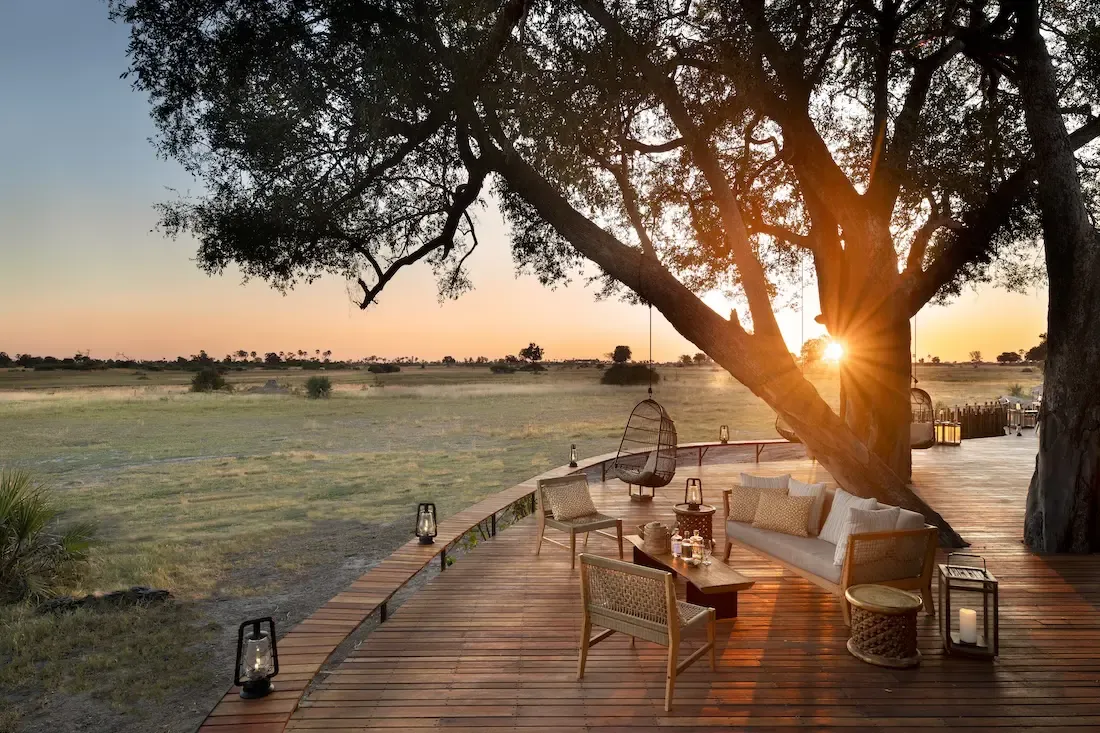
That is how I travel. At any camp, I take one morning game drive and one evening drive, and no more, so that I have time to experience the camp itself and enjoy my spaces. At Tawana, with a deck like mine, it was no hardship.
My stay was shaped by how youthful the team were. The staff at Tawana are young and vibrant, and their energy was a treat, most of all on those sluggish afternoons when a lively personality makes the hours in camp, or on board a game viewer, that much more entertaining.
Tawana Camp suits travellers who want the Okavango with room to spread out: couples, families who can take one of the three family suites, and anyone for whom privacy and space are the point of the journey. It is made for those who, like me, want as much time in camp as out on a drive. It also rewards those who like to know whose land they are on, and why it is still wild.
One thing to know before you book. Tawana lies inside a national reserve, so the reserve’s rules apply: vehicles are back in camp before dark, and there are no night drives. If walking safaris or after-dark drives matter to you, pair Tawana with a camp in a private concession.
I left as I had lived there, in some style, lifting off by helicopter for Maun International Airport with the Delta spread out below.
FOR HOTELS, LODGES & TOURISM BRANDS
Travel Essence Magazine brings the soul of African and Middle Eastern hospitality to discerning travellers, through quarterly print features, on-location reviews, our newsletter and the Travel Essence with Yvonne docuseries.
Newsletter features from $100 · Advertorials from $450 · Invite-us-over reviews
In the south-east of Moremi Game Reserve, on the eastern side of Botswana’s Okavango Delta, on the banks of the perennial Gomoti River.
Fly from Dubai to Johannesburg, about eight hours, then on to Maun in under two hours. From Maun, take a helicopter straight to camp, or a 20-minute light aircraft flight to Santawani airstrip followed by a 45-minute drive.
July to October, when large herds gather on the floodplains. The camp is open all year, and the green season begins in November.
No. Tawana lies inside a national reserve, so vehicles must be back in camp before dark and there are no night drives. Pair it with a camp in a private concession if walking or after-dark drives matter to you.
Chief Tawana Moremi, paramount chief of the Batawana, whose father and grandmother set aside the Batawana’s ancestral hunting grounds to create Moremi Game Reserve in 1963. Natural Selection built the camp in partnership with him.
Lion, leopard and African wild dog, plus red lechwe, hippo and elephant drawn to the river. More than 400 bird species have been recorded in the area.
To learn more about Tawana Camp, visit https://naturalselection.travel/camps/tawana-okavango-delta/
Related reading on Travel Essence:

In a town built on big names and bigger budgets, a family-run lodge on the
Nairobi, if experienced intentionally, will capture your soul. It is a city defined by a

Six nights, three Hemingways Collection addresses and my long-awaited first taste of Kenya’s North Coast.

DET spotlights the people, stories and creative energy of Africans living, working and thriving in

The refurbished David Livingstone Safari Lodge & Spa keeps its Zambezi riverfront soul, with lighter

Mawimbi Bush Camp is a new tented camp on the Kafue River in Zambia’s Kafue