





The Art of Slowing Down: Why Huvafen Fushi is the Antidote to the Over-Scheduled Holiday
In a world where even holidays have become packed with itineraries, early morning transfers and


Words by Shelley Estcourt, CEO Africa, TASC
For those of us lucky enough to have been to a safari lodge, there is a moment on the drive there when you notice a shift in the landscape. The acacia thins, the red-oat grass takes over, and the road passes through land that is neither park nor private concession.
It might not seem that way, but this land matters more than most people realise. Africa’s conservation story has long been told through its national parks, private reserves and safari concessions. Yet what often goes unnoticed is the landscape that connects them.
Managed through communal and customary systems over generations, Africa’s rangelands are living, working landscapes where people, livestock and wildlife have long coexisted. They support rural livelihoods while quietly providing many of the ecosystem services on which the continent depends, from biodiversity and carbon storage to water regulation. Sitting beyond the boundaries of national parks, they remain largely invisible to those peering out the window for an early glimpse of one of the Big Five.
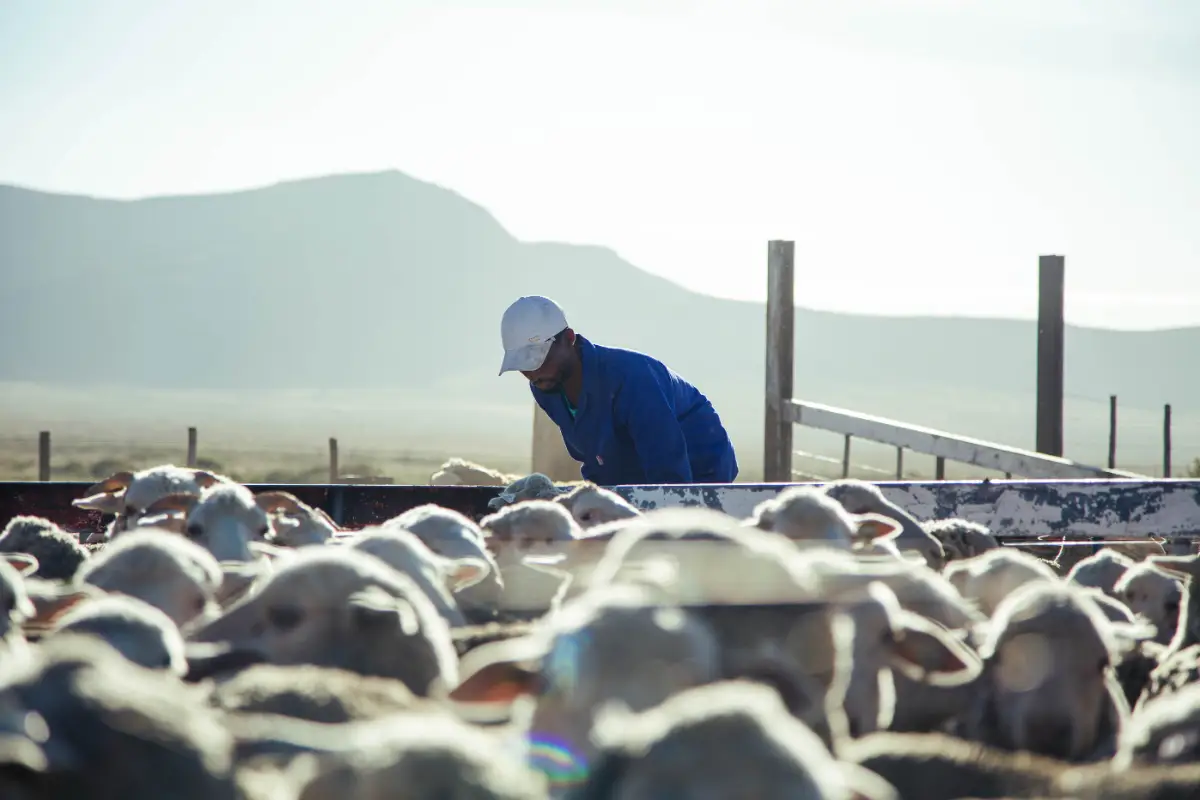
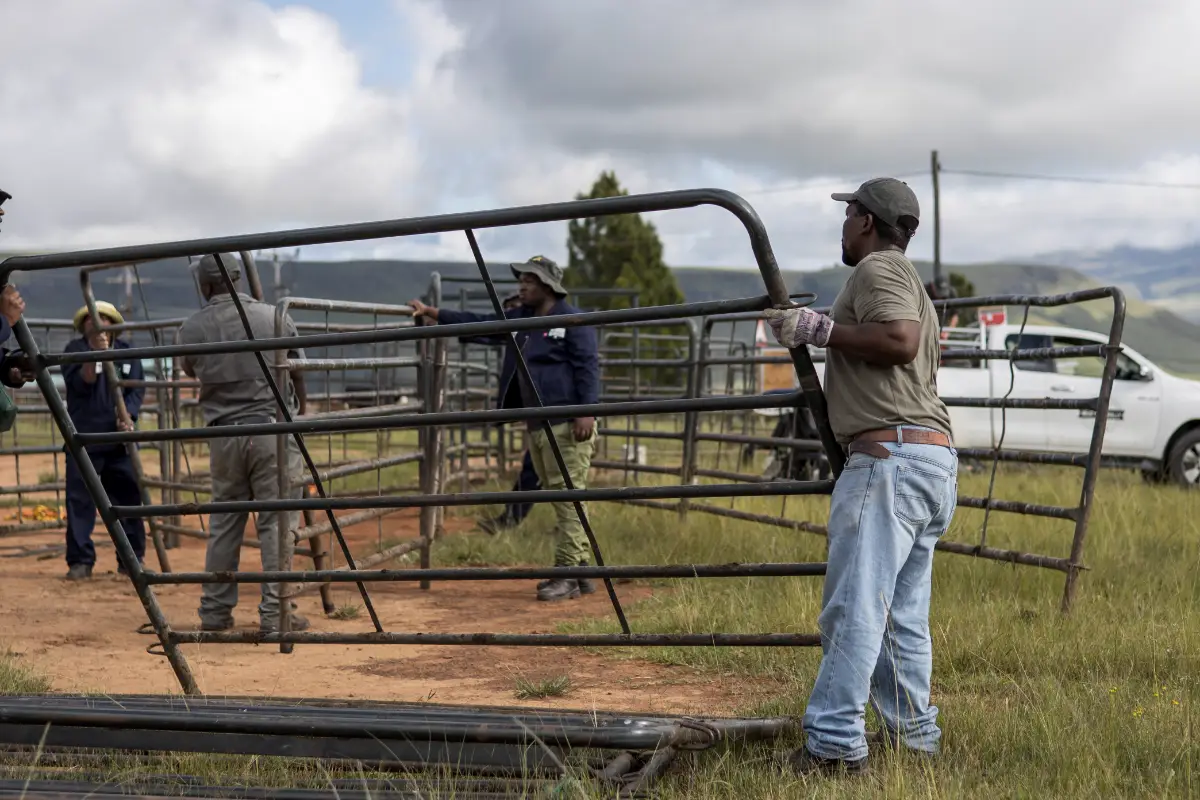
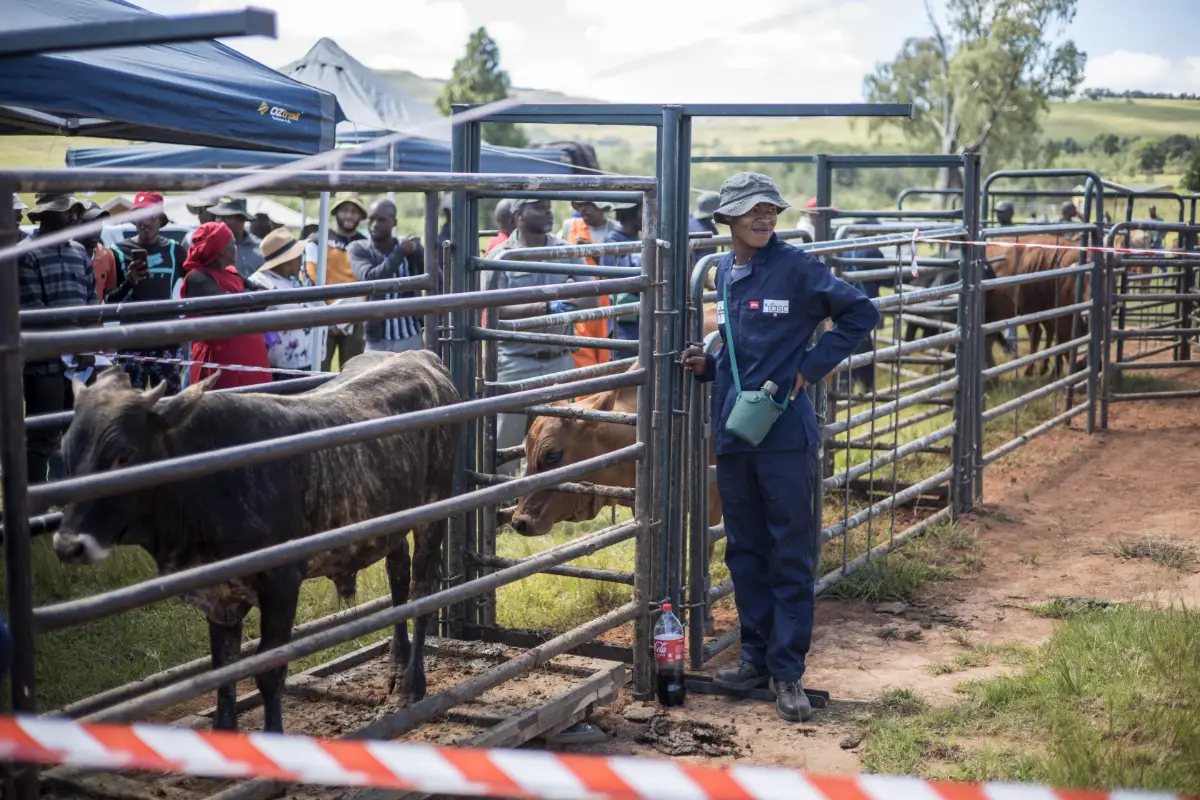
Acting as the connective tissue between one protected area and the next, Africa’s rangelands underpin the health and resilience of the wider landscape. When they thrive, wildlife can move more freely between habitats, biodiversity flourishes and ecosystems become more resilient. When they degrade, those connections begin to break down.
In South Africa alone, communal rangelands cover almost 13% of the country’s land area yet support almost one third of its population[1] yet decades of changing land use, invasive plant species, more frequent wildfires and declining grazing management have left many under increasing pressure. These living, working landscapes provide food, livelihoods, water security and shelter, while storing vast amounts of carbon beneath their soils, making their decline an environmental and economic challenge alike. Nowhere are these felt more acutely than among the communal farmers who depend on these landscapes every day. While they own around half of the country’s livestock, many of South Africa’s communal farmers have historically been excluded from formal meat and wool markets, limiting both incomes and investment in long-term land stewardship. Climate change is only adding to that pressure, with increasingly unpredictable rainfall and prolonged drought making healthy, resilient rangelands more important than ever.
[1] The Conversation – 17 million South Africans live on communal land
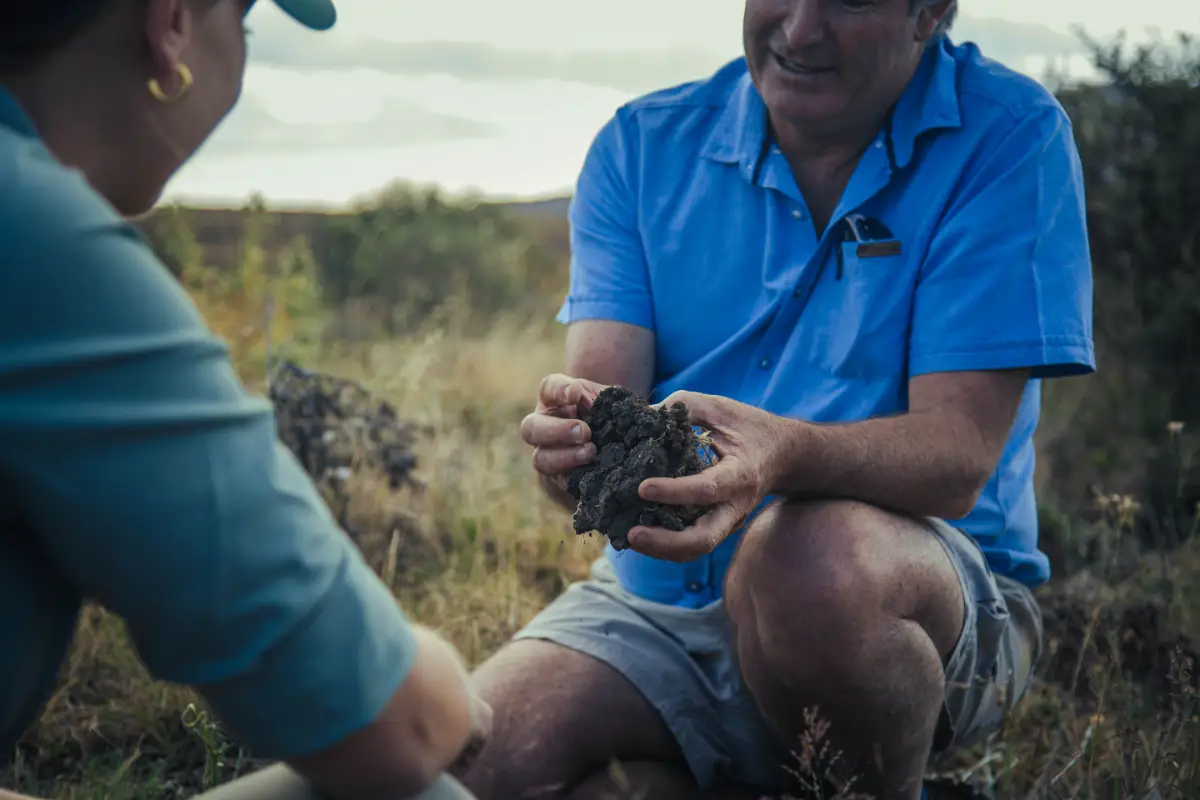
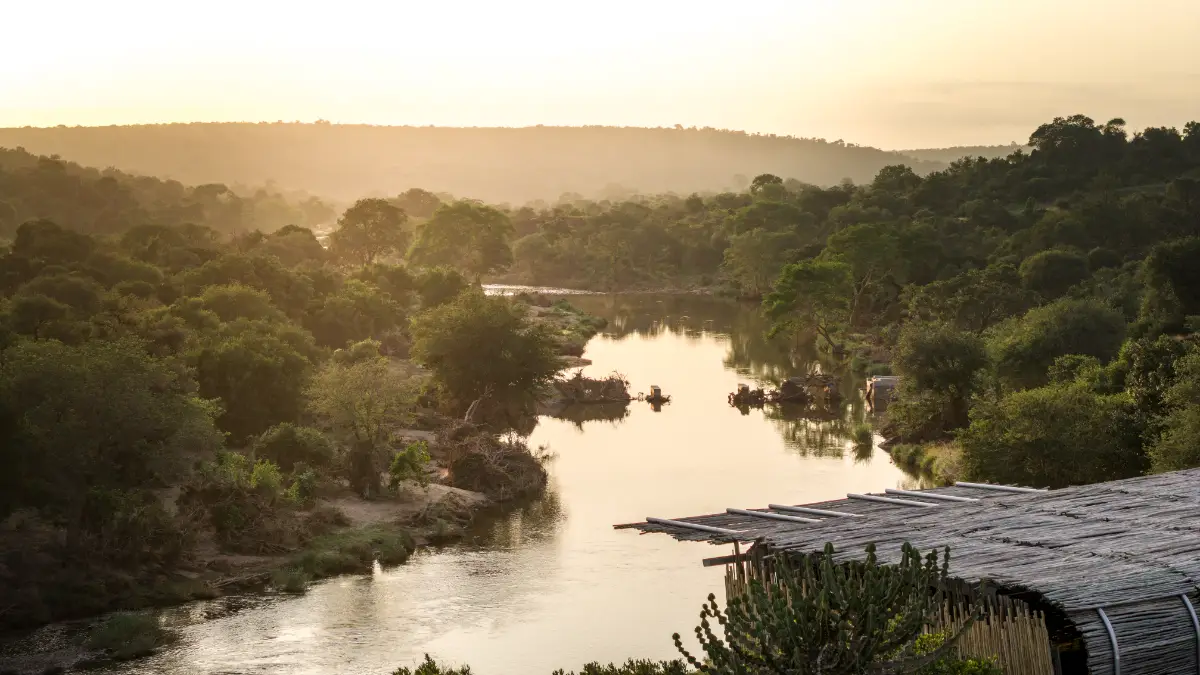
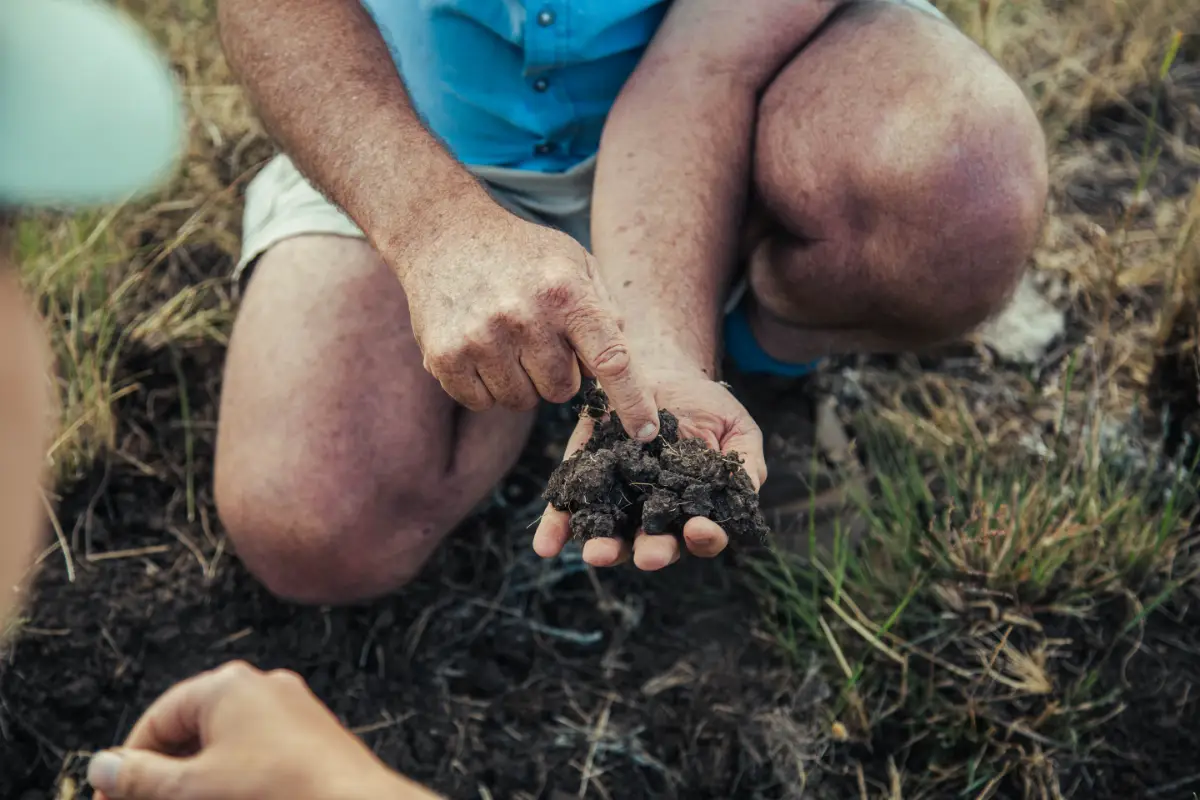
The challenges are not simply environmental. Traditional grazing systems relied on strong community governance and generations of local knowledge. Today, rural communities face very different realities. Young people have greater access to education and employment opportunities beyond agriculture, while the practical responsibility for managing communal rangelands increasingly falls to fewer people. That shift represents welcome social progress, but it also underlines the need for new approaches that enable communities to manage these landscapes sustainably while creating viable rural livelihoods for future generations.
Protecting these rangelands is about far more than conservation alone, and the answer is not to separate people from nature, but to recognise that the two are intrinsically linked. Doing so allows us to extend the reach of conservation far beyond any fence line, while improving the lives of thousands who depend on and steward these landscapes. Finding ways to ensure environmental stewardship also delivers tangible economic value has become increasingly important. Carbon finance is beginning to make that possible, rewarding communities not simply for protecting landscapes, but for actively restoring them. That is where the Grassland Restoration and Stewardship in South Africa (GRASS) project comes in.
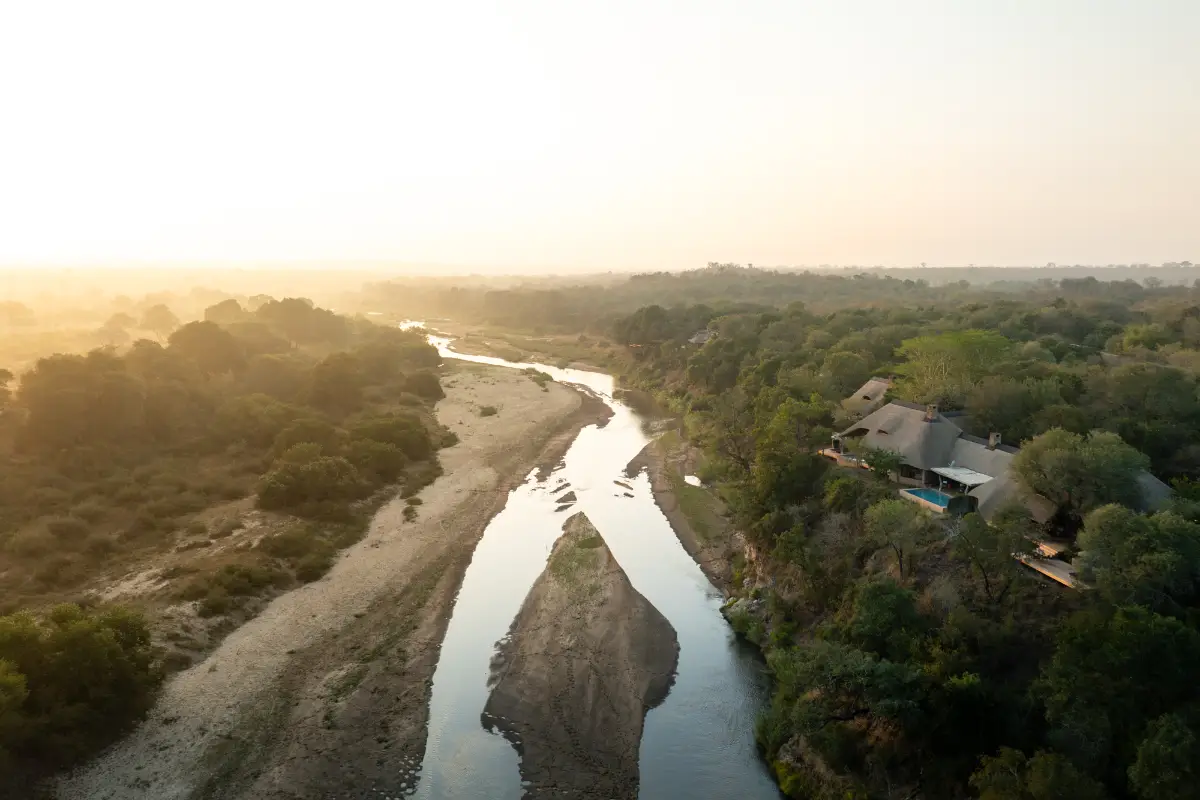
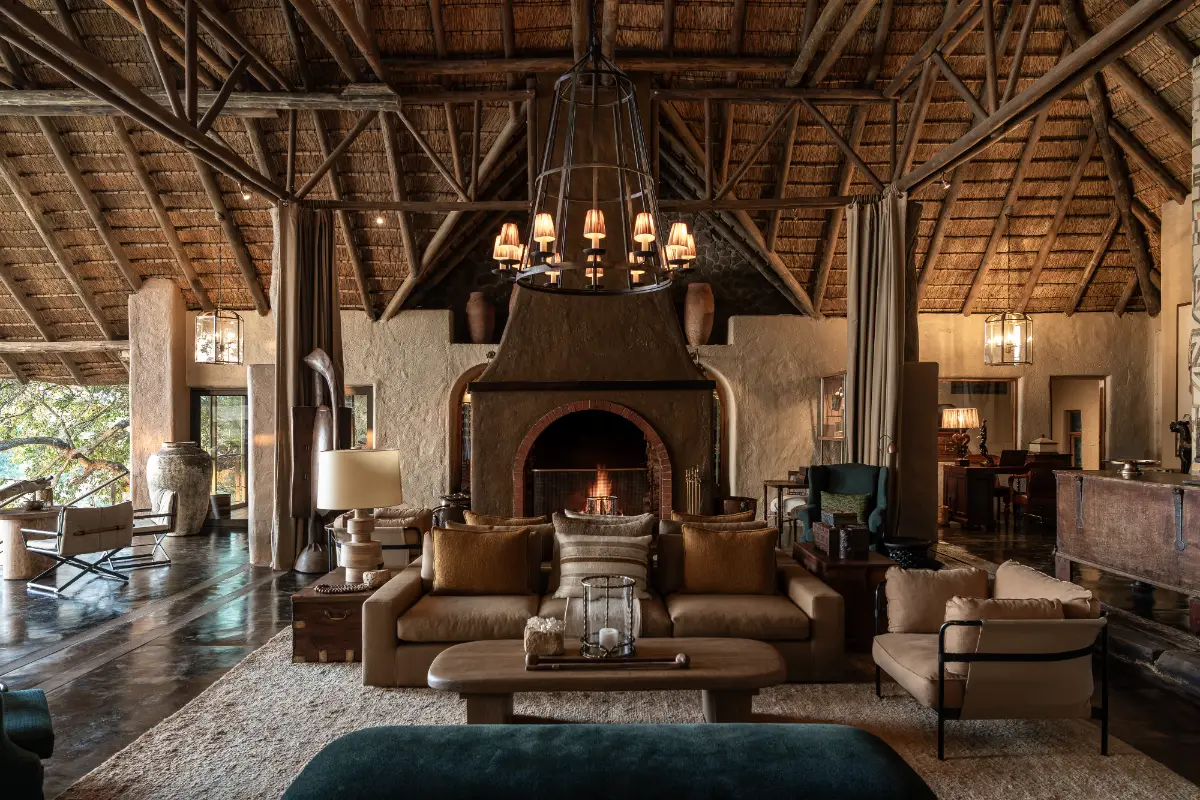
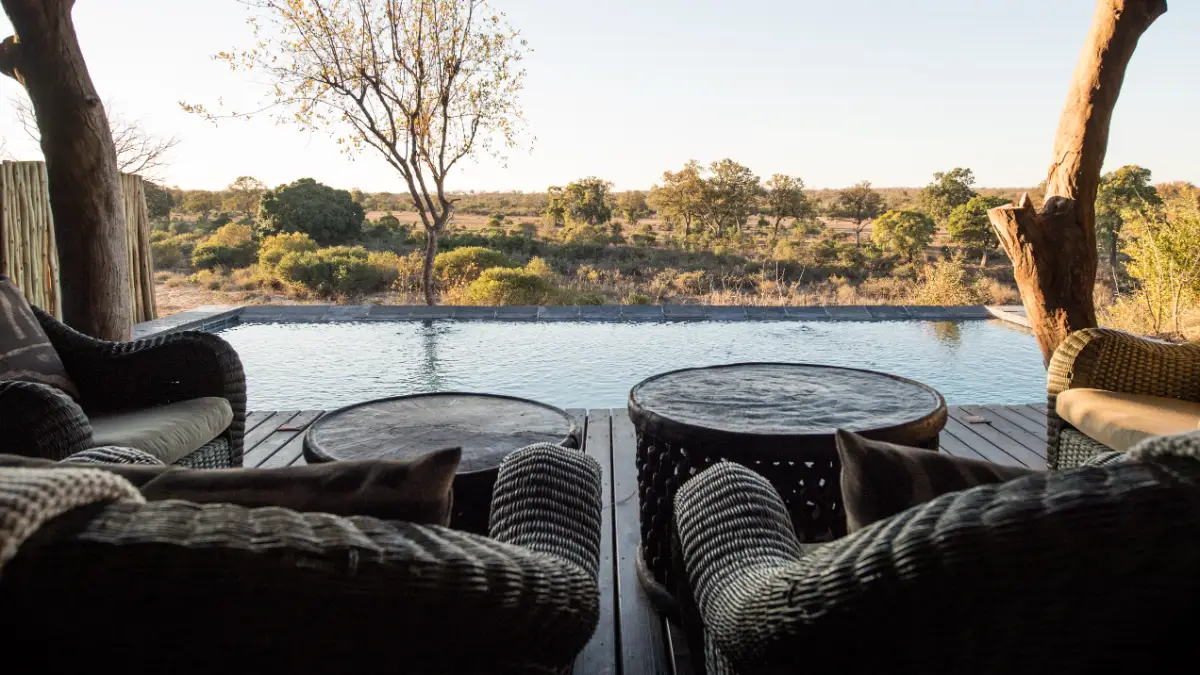
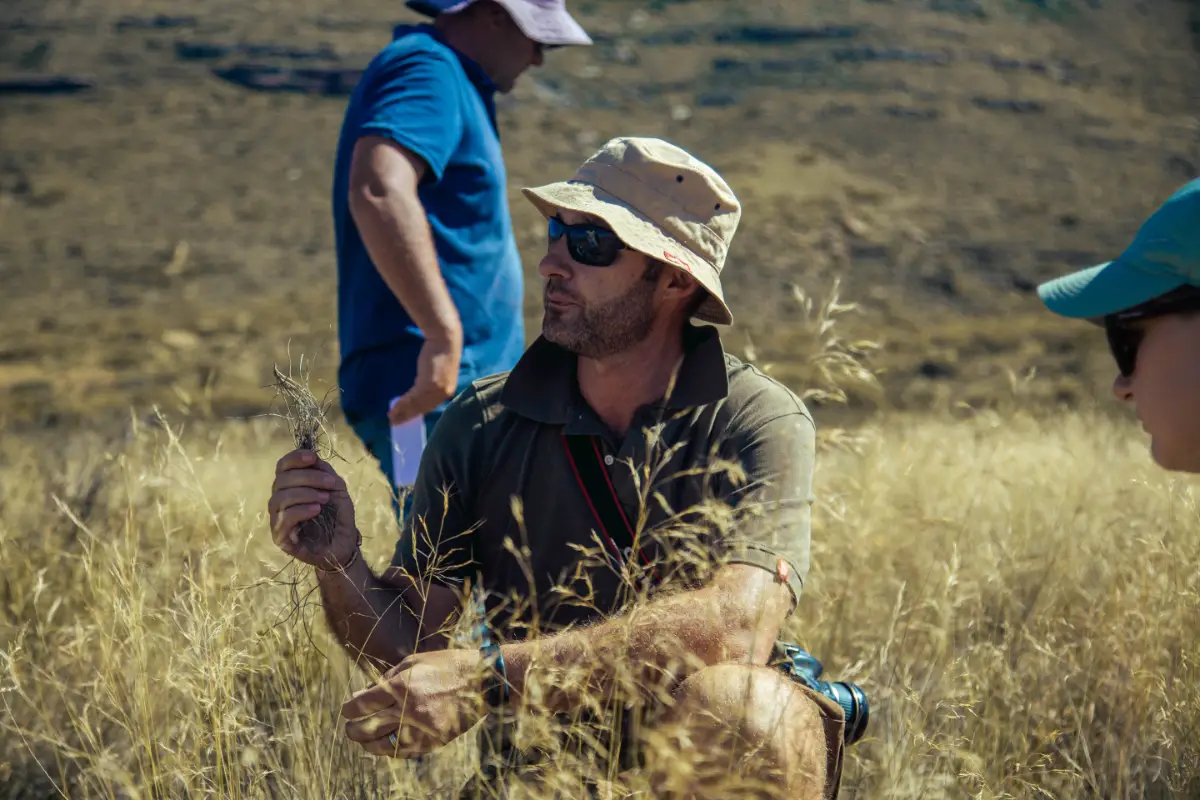
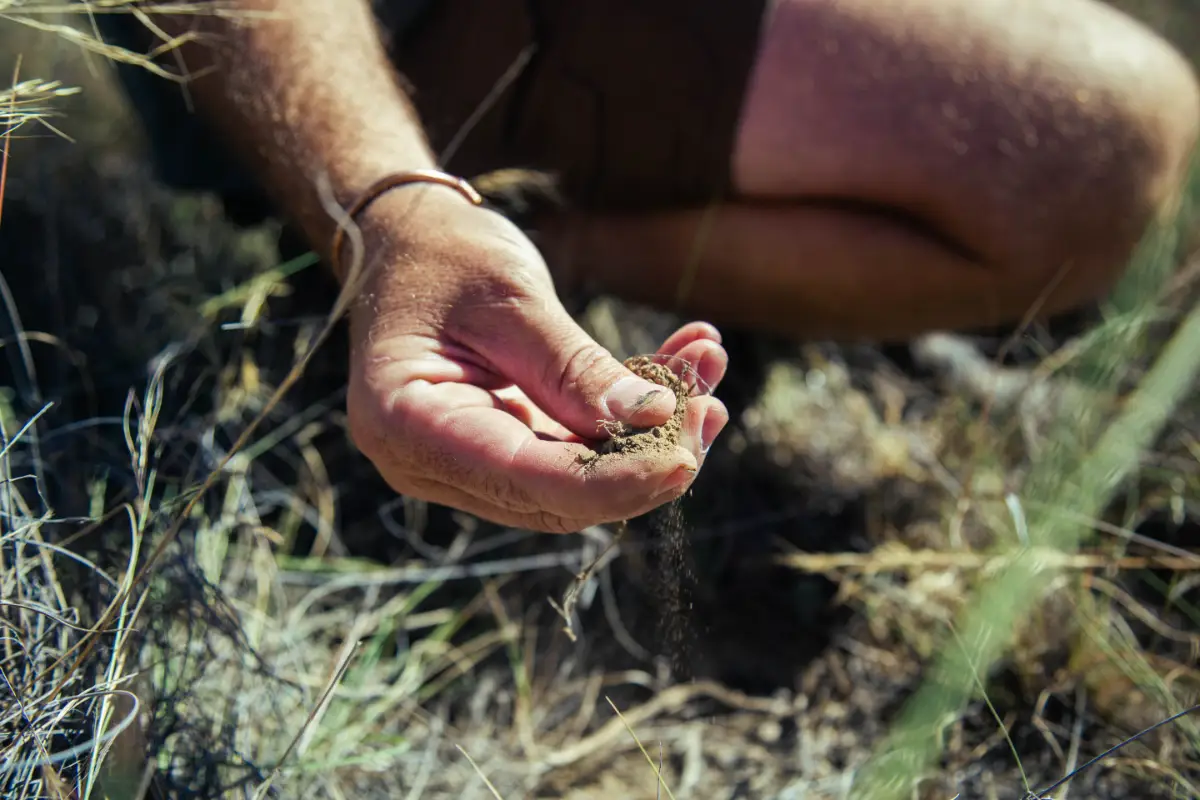
Run by carbon project developer TASC in partnership with Meat Naturally, GRASS spans the Eastern Cape and KwaZulu-Natal, partnering with communal farmers to restore degraded rangelands through regenerative grazing, returning to the managed, rotational practices that kept these grasslands healthy for generations. Working alongside traditional custodians has already delivered promising results, including healthier grassland cover, greater biodiversity and improved soil carbon storage.
Over time, healthier rangelands also strengthen the ecological connections between protected areas and the wider landscapes that surround them. For travellers who come specifically to witness Africa’s natural systems at work, the land their vehicles cross to reach the park boundary becomes part of their experience.
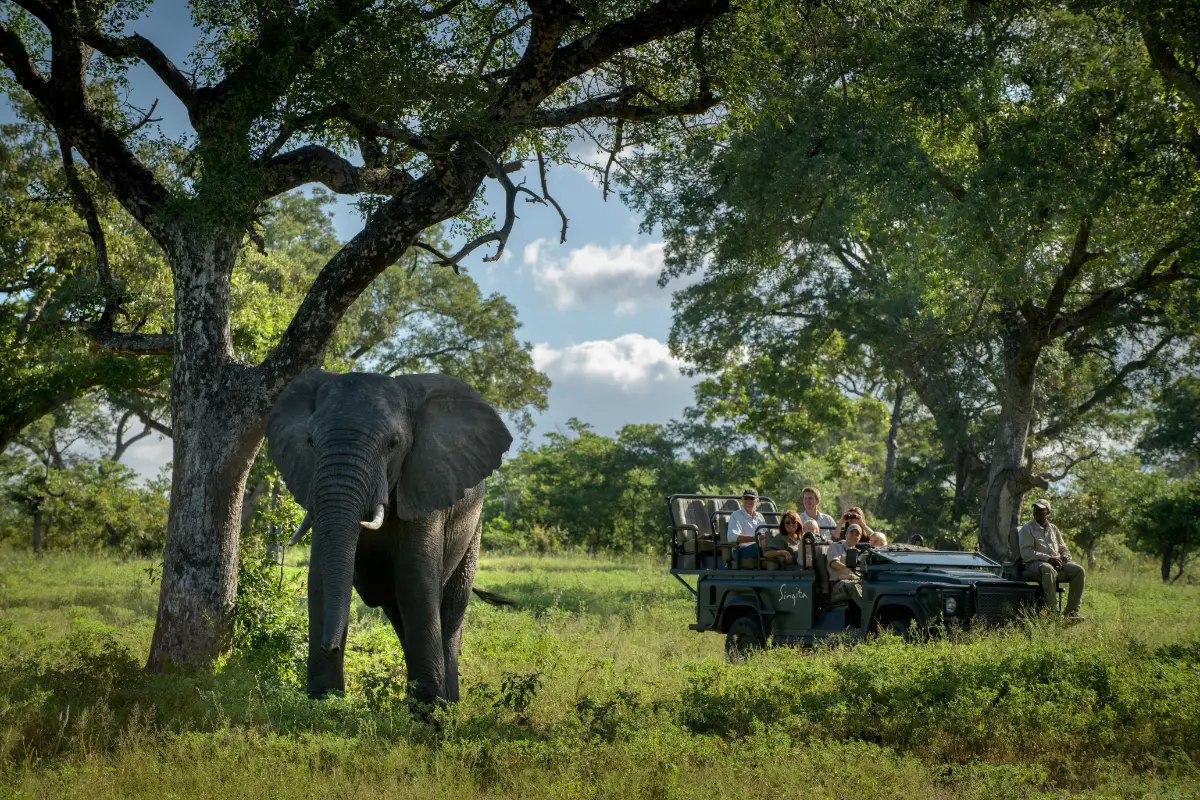
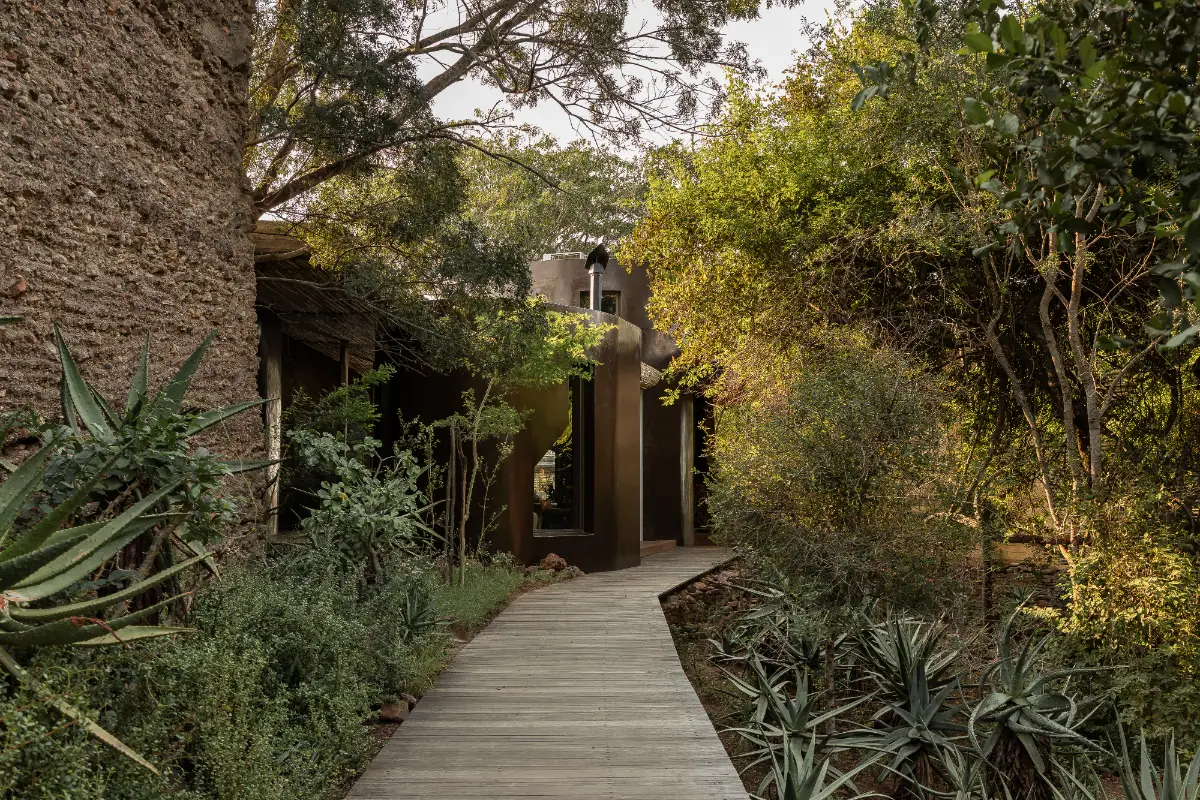
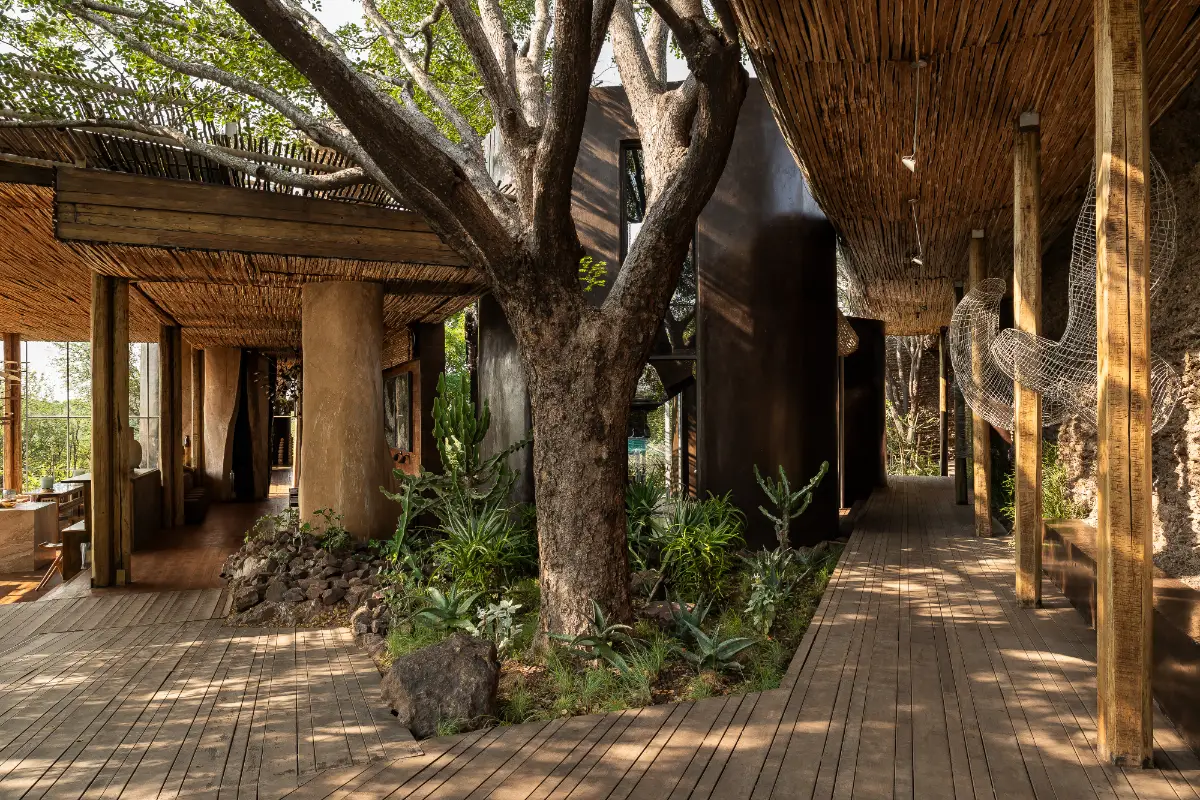
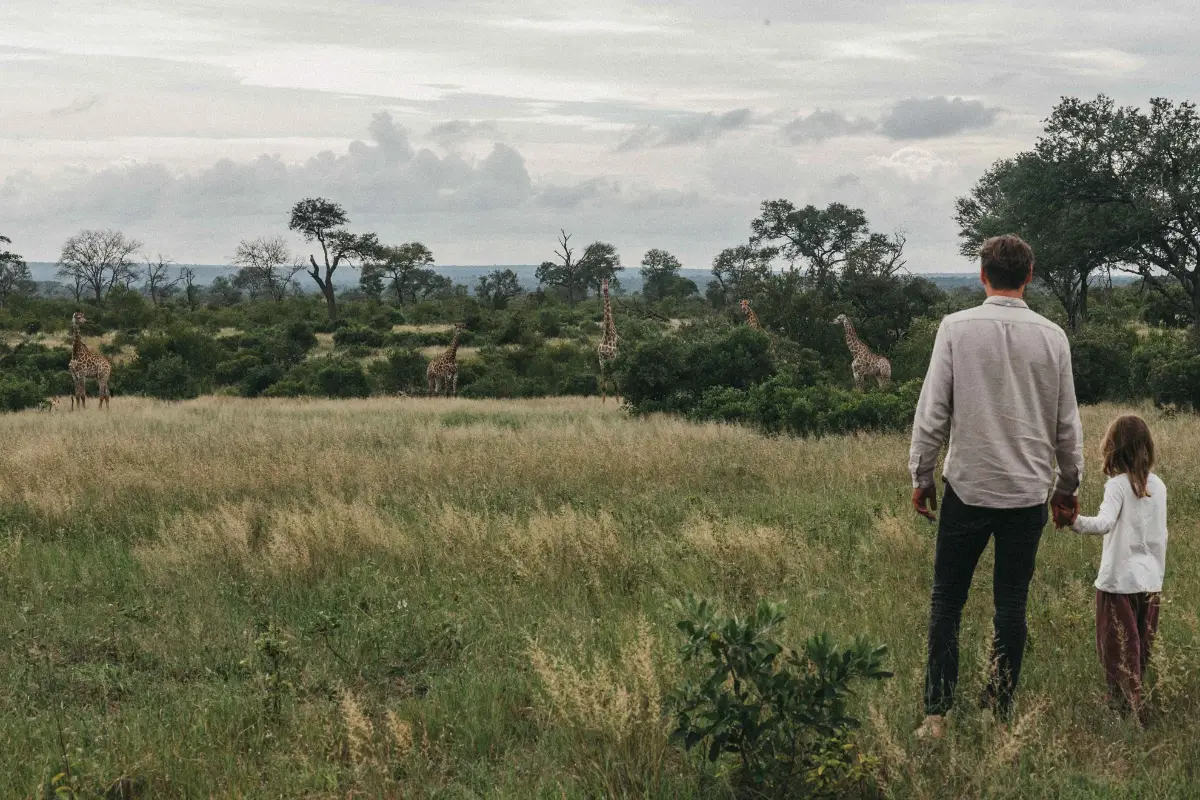
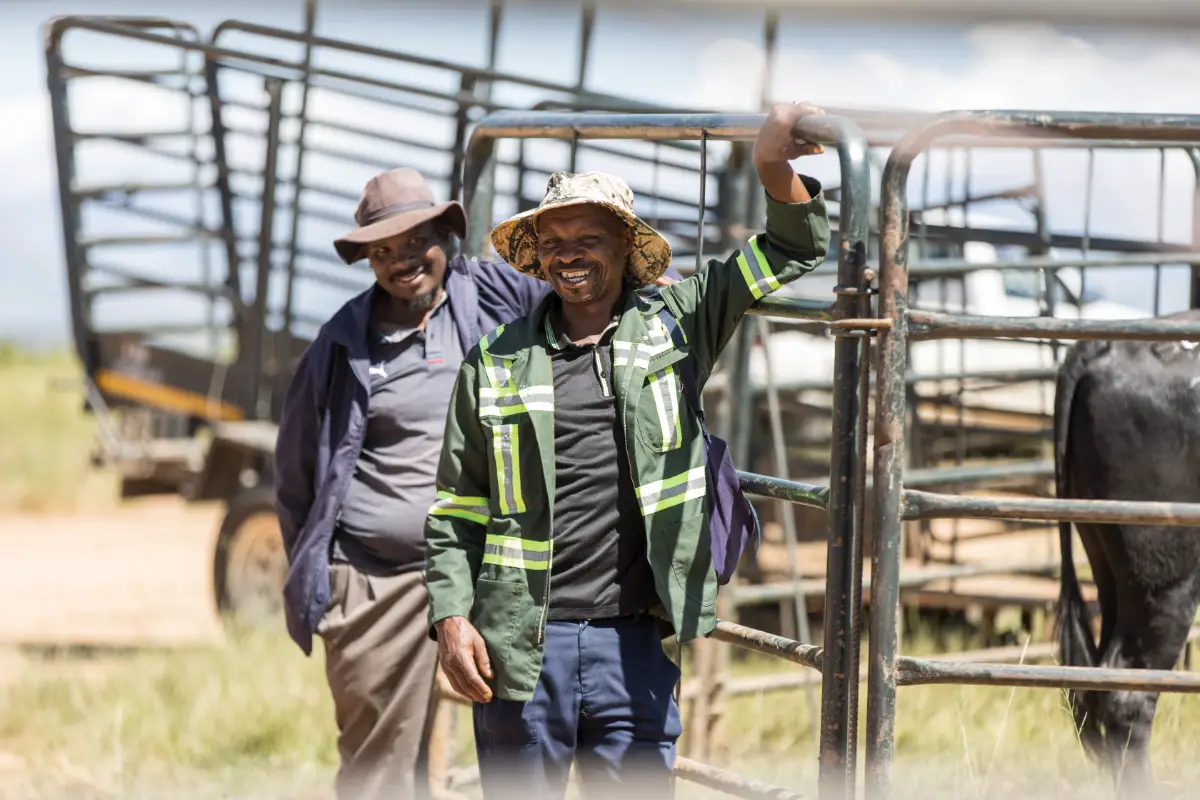
Today, the programme works alongside more than 10,000 communal farmers who receive access to livestock health services, improved meat markets and communal wool shearing facilities that give them a commercial return from the same land that is simultaneously delivering carbon and biodiversity outcomes. The project’s Ecoranger programme has, to date, supported around 900 local community members as trained land stewards, over one third of whom are women.
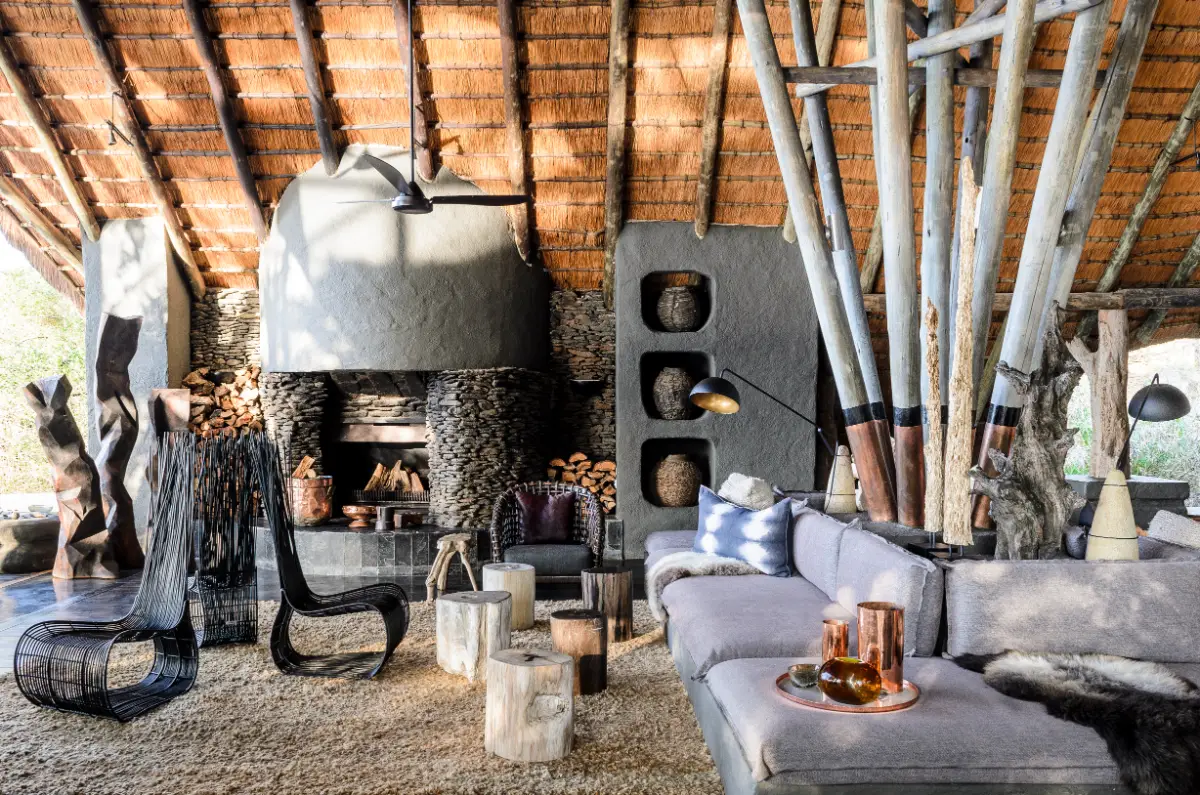
The carbon finance that makes this possible comes from both international and local sources. Most recently one of South Africa’s leading luxury travel operators Singita, whose lodges sit within or adjacent to some of the most ecologically significant landscapes in southern Africa, became one of the first buyers of carbon credits produced by the project in early 2026. Retiring 16,980 Verified Carbon Units enabled the business to offset the emissions associated with guest stays across its South African lodges and private villas.

This is what responsible tourism looks like when it moves beyond the pages of the brochure. As our climate continues to warm, Africa’s safari economy depends on the health of landscapes that extend well beyond the boundaries of protected areas. It is only right that we consider our rangelands as part of a wider ecological infrastructure that, when functioning well, supports the wildlife corridors, water cycles and the biodiversity that make the safari experience possible in the first place.
Singita’s investment demonstrates that tourism can play a meaningful role beyond the boundaries of the reserve itself. Increasingly, carbon finance is allowing safari operators to invest not only in reducing their own environmental footprint, but in restoring the neighbouring landscapes and supporting the communities that help keep these ecosystems healthy. For travellers, that offers a different way of thinking about sustainable tourism. Conservation is no longer confined to the places where wildlife is viewed, but extends across the wider landscapes that make those encounters possible.
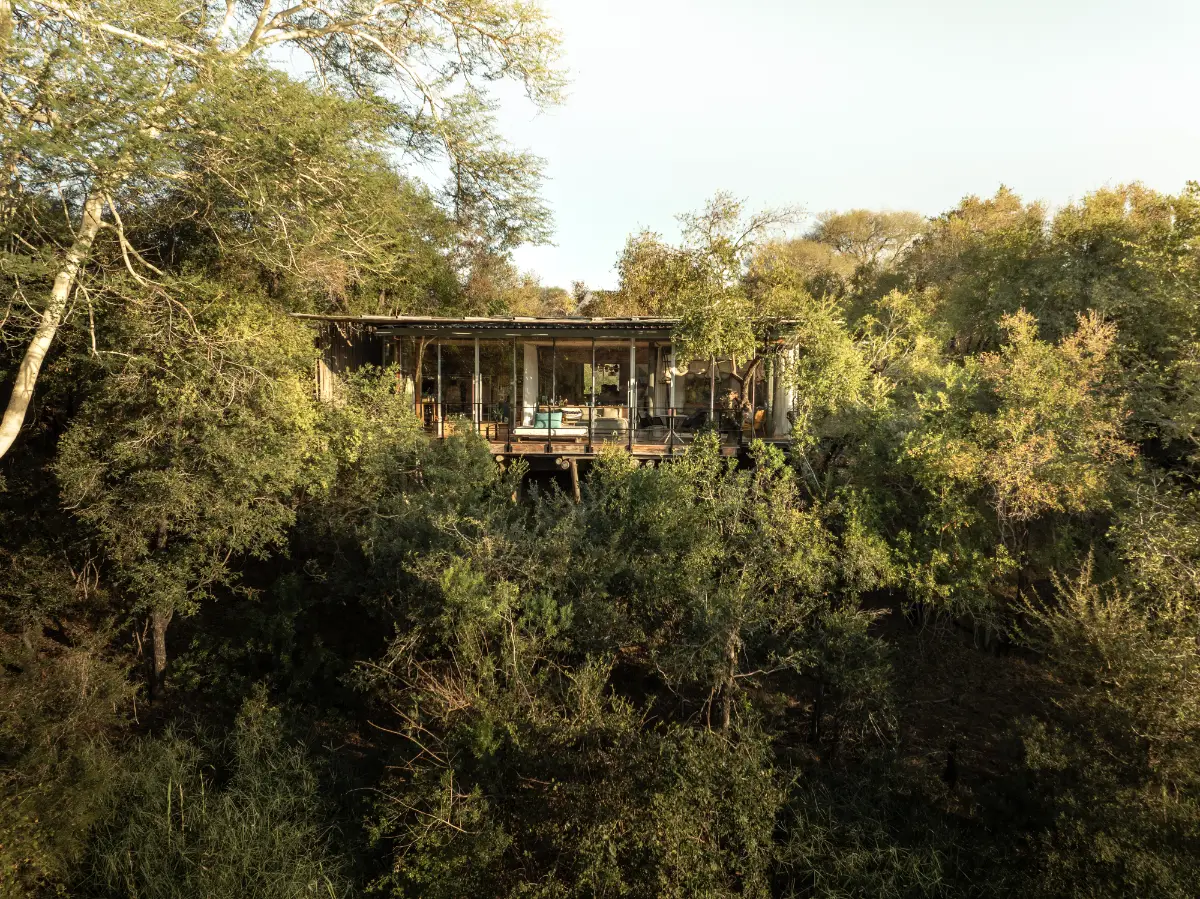
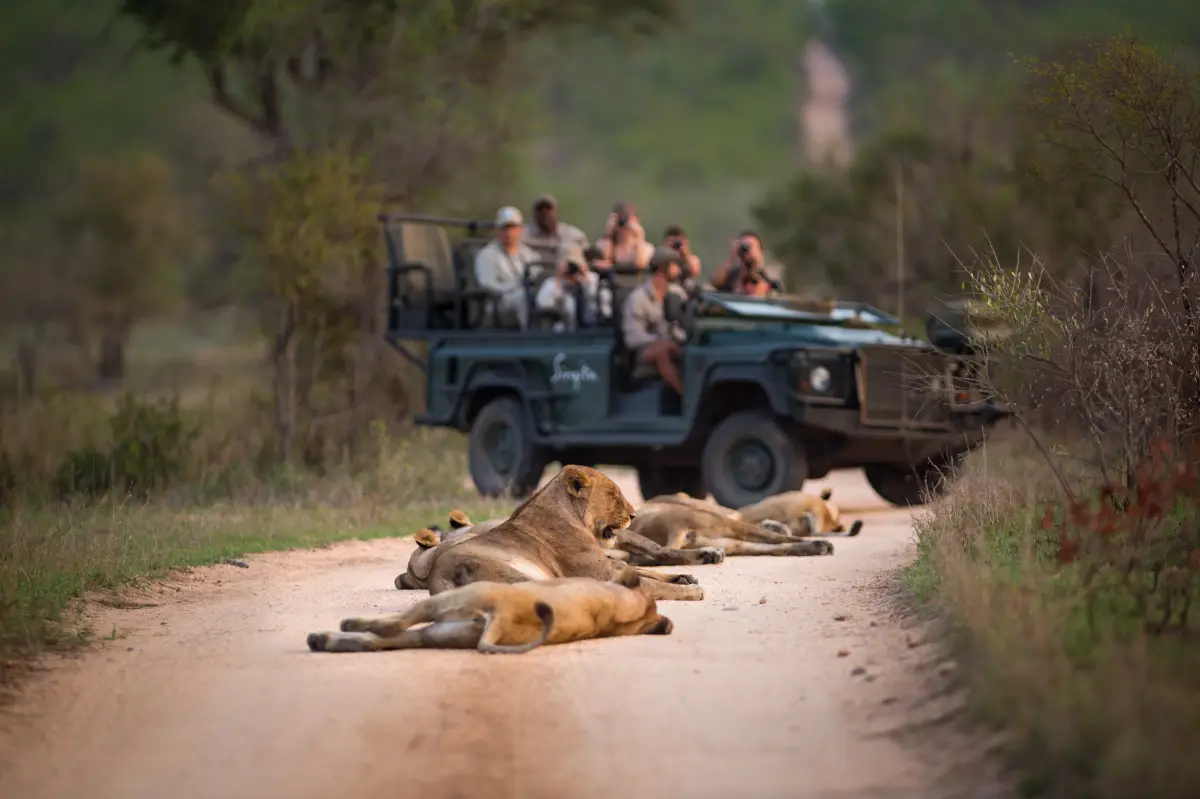
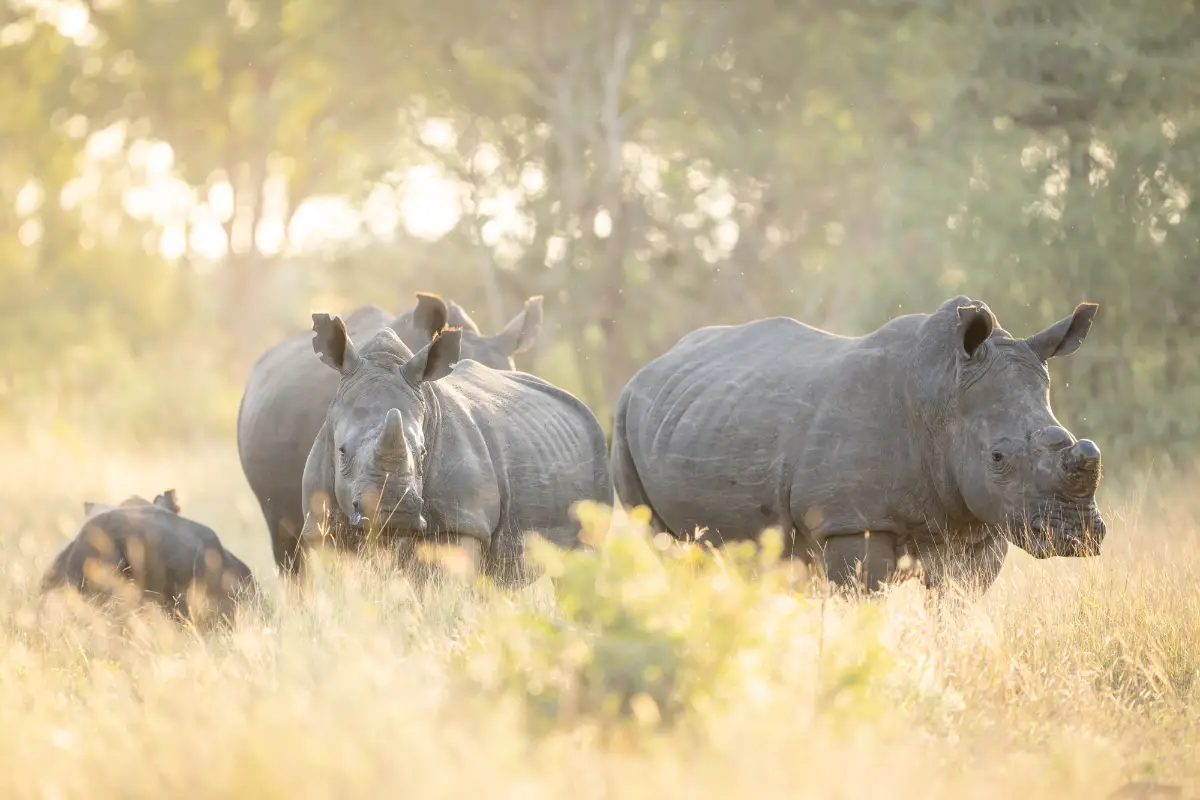
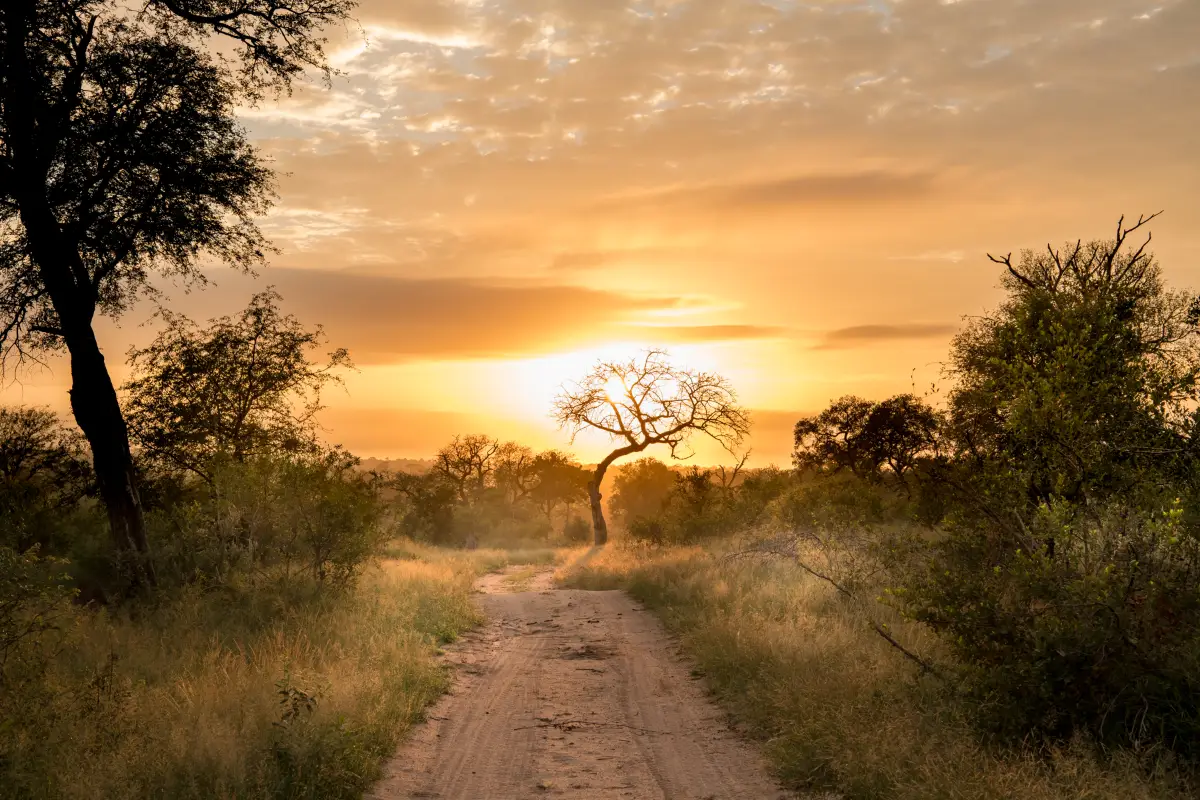
The land between the lodges has always mattered. Carbon finance is now providing a way of giving it the care it deserves and tourism a way to take part.

In a world where even holidays have become packed with itineraries, early morning transfers and

For those of us lucky enough to have been to a safari lodge, there is

Explora Journeys reimagines luxury travel with a hotel that moves with you—discover why the future
Meet Françoise Malby-Anthony, the Parisienne who became guardian of Thula Thula, South Africa’s iconic elephant
Escape Dubai’s fast pace for the profound stillness of Zambia’s bush at Ila Safari Lodge—a

Journey through Zambia’s Kafue National Park on a 12-day expedition blending untamed wilderness, curated luxury