

The Art of Slowing Down: Why Huvafen Fushi is the Antidote to the Over-Scheduled Holiday
In a world where even holidays have become packed with itineraries, early morning transfers and

Words by Sarah Kingdom
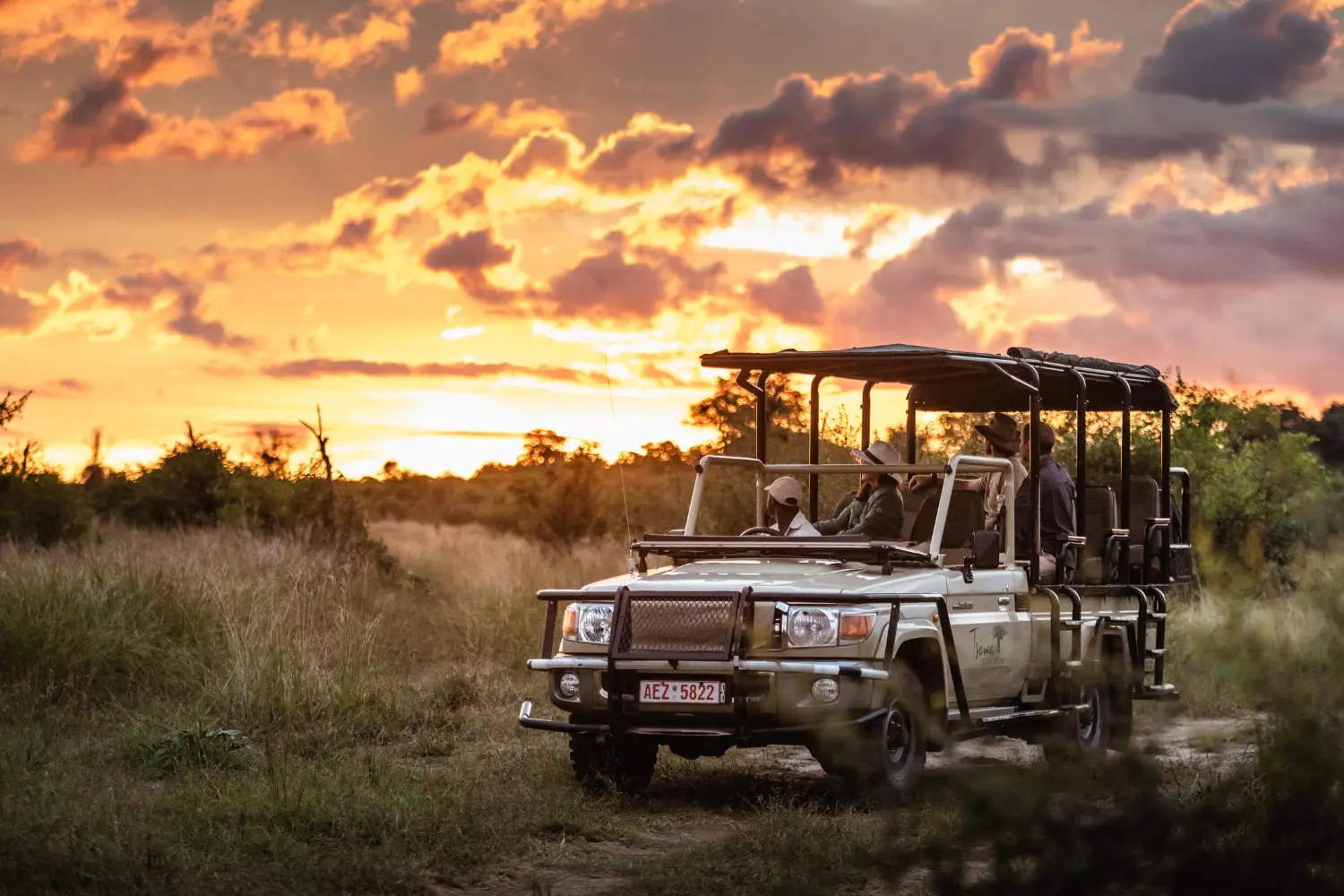
Our journey began with a drive through Zambezi National Park. It was the height of the rainy season and the road cut through damp woodland where giraffe moved slowly between the trees and impala scattered at the sound of the vehicle. This stretch of the park felt wild and lightly travelled, especially compared to those parts areas much closer to Victoria Falls. As we got closer to the river, the landscape changed, with thicker vegetation, wider floodplains, standing water, and a sense of real wilderness. Tsowa Island sits within this part of the park, surrounded on all sides by the Zambezi River, and reachable only by boat.


Tsowa translates as “new beginnings,” and the name carries more weight once you learn the island’s history. For decades, this concession remained undeveloped, largely because it was too difficult to access and too challenging to build on. Everything would have to pass through the national park and cross the river by boat. Instead of forcing development, those challenges eventually shaped a very deliberate vision. When Isibindi Africa’s founders Brett and Paige Gehren took on the project alongside Zimbabwean partners Lucy Mavango and Duncan Elliot, they committed to letting the island dictate what was possible, rather than the other way around.


Before construction began, months were spent simply being on the island. Walking it. Sitting quietly. Learning where animals moved, where roots ran close to the surface, and how the land changed with light and weather. The final layout reflects those observations. The eight tented suites are hidden within the trees, connected by leaf strewn pathways, positioned with care and spaced far enough apart for total privacy. Trees were not cleared to make space; instead, structures were adjusted and shifted to fit around the existing vegetation. Even young saplings were left untouched. The result is a camp that feels woven into the landscape, rather than imposed upon it.


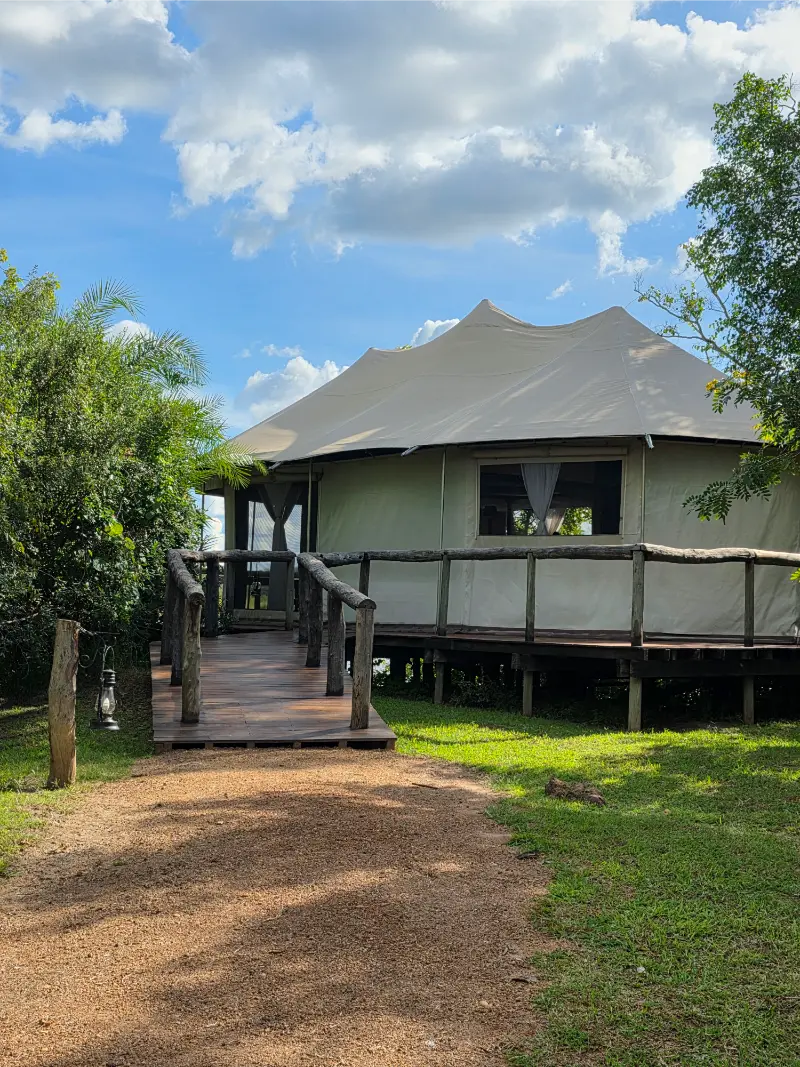
The lodge design is deliberately restrained, clearly designed to sit lightly on the land, rather than dominate it. All the buildings sit lightly on raised decks, allowing water, roots and wildlife to move beneath them. It also means that nothing here is permanent in the conventional sense. In theory, the camp could be removed and the island left to heal itself within a single rainy season. In a national park as ecologically sensitive as Zambezi, this restraint feels essential rather than symbolic.
Our tent opens onto a wonderful, wide verandah, with the river just below. Inside everything is chic but simple – bush elegance, with no excess, but nothing missing. In the public areas the feeling is open and connected with the bush, but always careful to only tread lightly. Everywhere the sound of the river is a constant background presence.


The island itself is long and narrow, wrapped in dense vegetation and edged by fast-moving water. During the day, the light filters through the trees, birds dart between branches and the forest floor is alive with small signs of movement, and the occasional creature passes quietly through the undergrowth. Elephants occasionally swim across the channel from the mainland, water streaming off their backs as they climb the island’s banks. Baboons are ever present, never too close, but glimpses of them can be seen jumping through the trees, or quietly and fastidiously grooming one another. In the centre of the island ancient baobabs rise unexpectedly from the greenery, their twisted trunks hinting at just how long this place existed without human interference.
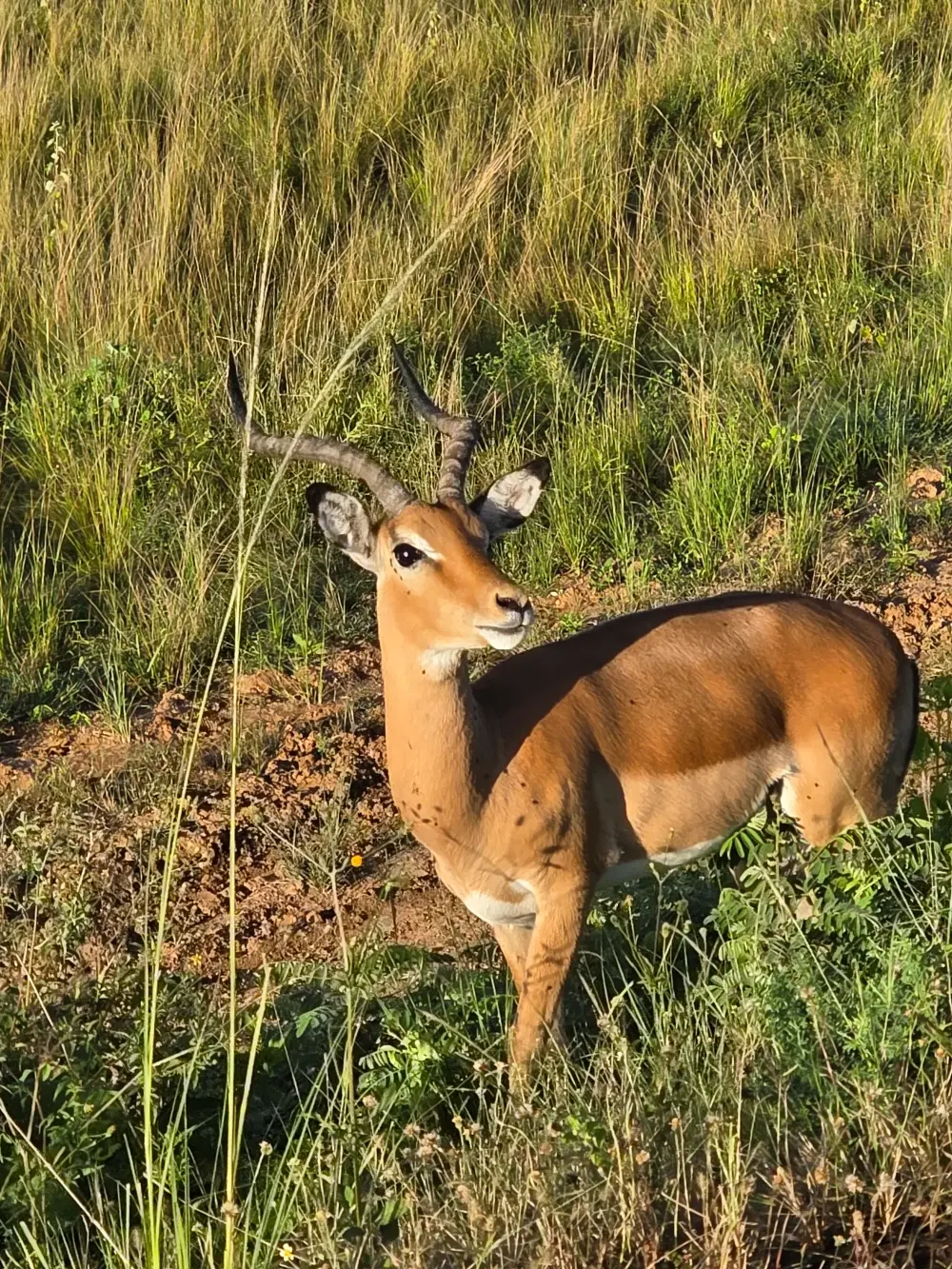
We go on game drives in the National Park, usually in the cool mornings or the late afternoons. Being the rainy season, the wildlife is a little harder to find. They no longer need to come to the river to drink as there are so many waterholes for them to choose from. The drives are relaxed, with time spent watching behaviour rather than rushing between sightings. We see numerous elephants, along with giraffes, buffalo, sable, bushbuck and impala. Though we don’t even have to leave out tent to see wildlife – one morning, while we’re sitting drinking tea on our verandah, we spy a leopard coming down to the water on the river bank opposite. While we watch through our binoculars it sits calmly, staring into the distance.


Afternoons tend to drift toward the river. Boat trips leave from the island and we glide up the Zambezi as the light softens and the temperature drops. This is when the river feels at its most active. Hippos surface nearby, crocodiles bask the banks, and birds gather along exposed sandbars. As the sun lowers, the water turns copper and gold, and the scale of the river becomes even more apparent. There’s no need for commentary to fill the silence; we are content to just watch and let the scene unfold.
Back on the island, evenings are quiet. Tsowa settles into near darkness. There’s no sense of schedule beyond dinner and no pressure to do more than sit with a drink by the fire and talk. Lighting is minimal, and the sounds of the island take centre stage: insects, distant hippos, the steady movement of water. The absence of background noise makes all the small sounds that much more noticeable. Sitting quietly, it’s impossible not to feel part of the place.


There’s no sense of excess here, no attempt to impress through scale or spectacle. Tsowa Safari Island isn’t about ticking off sightings or filling days with activity. It isn’t about trying to redefine luxury; rather it’s quietly questioning it. By prioritising patience, restraint and long-term thinking, it shows that tourism within a national park can exist, without eroding the very qualities that make it a place worth protecting. In a landscape as powerful and alive as the Zambezi, that feels like the right kind of beginning. By the end of your stay, it’s the absence of noise, crowds and constant movement that start to feel like the real luxury on offer.
Tsowa Safari Island https://www.tsowasafariisland.co.za/Isibindi Africa Lodges https://www.isibindi.co.za/

In a world where even holidays have become packed with itineraries, early morning transfers and

For those of us lucky enough to have been to a safari lodge, there is
Explora Journeys reimagines luxury travel with a hotel that moves with you—discover why the future
Meet Françoise Malby-Anthony, the Parisienne who became guardian of Thula Thula, South Africa’s iconic elephant
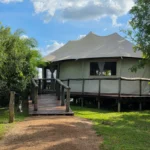
Escape Dubai’s fast pace for the profound stillness of Zambia’s bush at Ila Safari Lodge—a
Journey through Zambia’s Kafue National Park on a 12-day expedition blending untamed wilderness, curated luxury