




The Art of Slowing Down: Why Huvafen Fushi is the Antidote to the Over-Scheduled Holiday
In a world where even holidays have become packed with itineraries, early morning transfers and

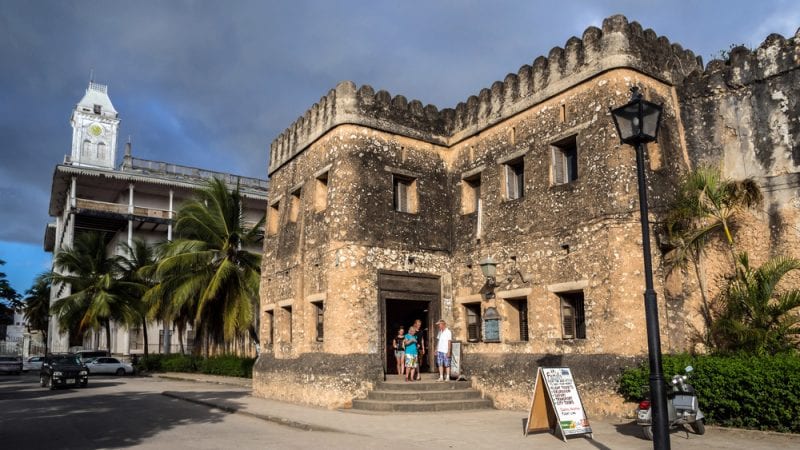
Stone Town, also known as Mji Mkongwe (Swahili for ‘old town’) is considered by many a tourist to be the heart of Zanzibar City, pulsates with a captivating history, and a vibrant tapestry woven with diverse influences. Its labyrinthine streets, lined with coral-stone buildings, whisper tales of ancient trade routes, colonial rule, and a rich cultural fusion. Today, this UNESCO World Heritage Site stands as a testament to the past, while embracing the present as a vibrant tourist hub.
A Journey Through Time
While the exact timeframe of Stone Town’s origins is debated, evidence suggests its existence predates the 14th century. Historians believe early inhabitants were the Swahili people, a Bantu-speaking community known for their maritime expertise and trade networks. The arrival of the Portuguese in the late 15th century marked a turning point. They established a fort, initiating a period of Portuguese rule that lasted nearly two centuries. However, recent archaeological discoveries suggest Swahili presence might have been more significant than previously recognized, challenging traditional narratives.
The 17th century witnessed the rise of the Omani Sultanate, whose influence left an indelible mark on Stone Town. The Omani rulers transformed the settlement into a flourishing trade center, attracting merchants from across the Indian Ocean. This era saw the construction of magnificent palaces, elaborate houses adorned with intricately carved wooden balconies (“verandas”), and the iconic Old Fort, a testament to the town’s strategic significance.
However, this period also saw a dark chapter unfold. Zanzibar became a major player in the East African slave trade, leaving a poignant and undeniable stain on its history. The House of Wonders, a landmark palace once used as the Sultan’s official residence, also housed a slave market, a stark reminder of this painful past.
The 19th century brought further change. British influence grew, culminating in Zanzibar becoming a British protectorate in 1896. This period saw the construction of iconic landmarks like the Anglican Cathedral and the High Court, reflecting the architectural influence of the colonizer.
Following Zanzibar’s independence in 1963 and its subsequent union with Tanganyika to form Tanzania in 1964, Stone Town remained the cultural and administrative center of the Zanzibar archipelago.
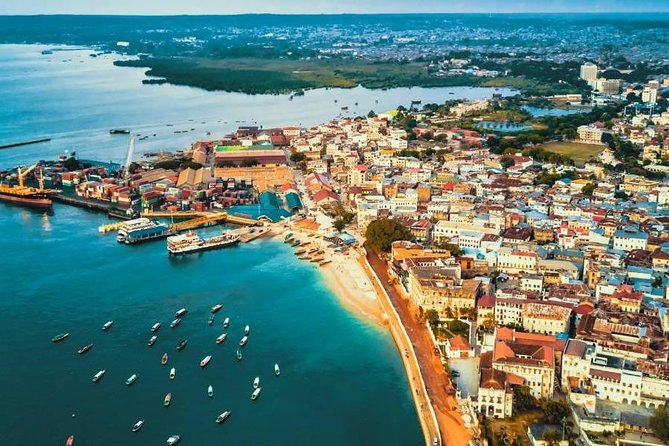
Zanzibar Today: A Treasure Trove of Experiences:
Wandering through Stone Town’s narrow streets is itself an experience, akin to stepping into a living museum. The coral-stone buildings, once adorned with intricate carvings, stand as silent sentinels, whispering stories of bygone eras. The ornately decorated wooden doors reveal glimpses into the lives of the inhabitants.
The bustling Darajani Market, a feast for the senses, offers a glimpse into local life. Spices, fresh produce, and exotic wares fill the air with an intoxicating aroma, while vendors’ rhythmic calls create a dynamic soundscape.
History buffs can delve into the captivating past at the National Museum of Zanzibar, housed in the Sultan’s Palace. The intricate carvings and opulent interiors of the Palace Museum offer a window into the lives of the Omani Sultans.
No visit to Stone Town is complete without experiencing the vibrant sunset over the Indian Ocean. Dhows, traditional sailing boats, bob gently on the waves, creating a picture-perfect postcard moment.
The Duality of Tourism
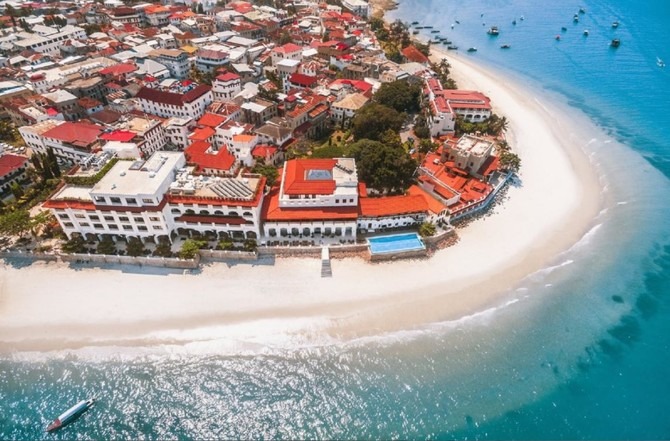
Tourism has become a vital part of Stone Town’s economy, breathing new life into the historic district. Restoration projects have brought many historic buildings back to their former glory, creating boutique hotels, art galleries, and cultural centers.
However, the influx of tourists also presents challenges. Concerns about gentrification and the commodification of cultural heritage are increasingly voiced. Rising living costs threaten to displace residents, and the delicate balance between preserving history and catering to tourism needs constant attention.
Looking Forward
Stone Town stands at a crossroads. While tourism offers economic benefits and the opportunity to share its rich history with the world, it is crucial to ensure responsible and sustainable development. Balancing preservation with progress will be key to safeguarding the unique character of this captivating town.
Efforts are underway to address these concerns. Initiatives focusing on community engagement, fair trade practices, and heritage conservation offer a glimmer of hope. As Stone Town navigates its future, it remains a powerful symbol of resilience, cultural richness, and the enduring spirit of its people.

In a world where even holidays have become packed with itineraries, early morning transfers and

For those of us lucky enough to have been to a safari lodge, there is

Explora Journeys reimagines luxury travel with a hotel that moves with you—discover why the future

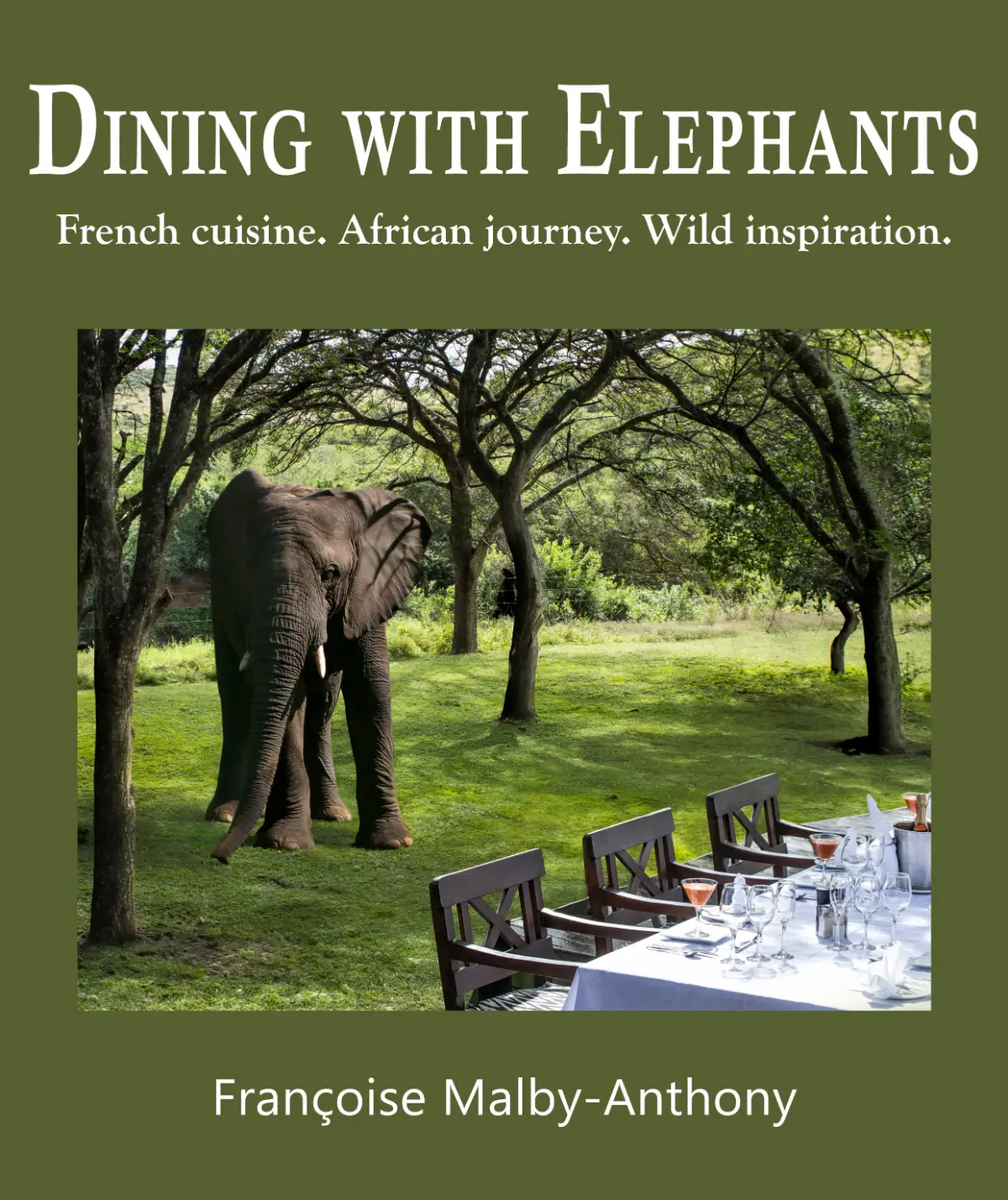
Meet Françoise Malby-Anthony, the Parisienne who became guardian of Thula Thula, South Africa’s iconic elephant

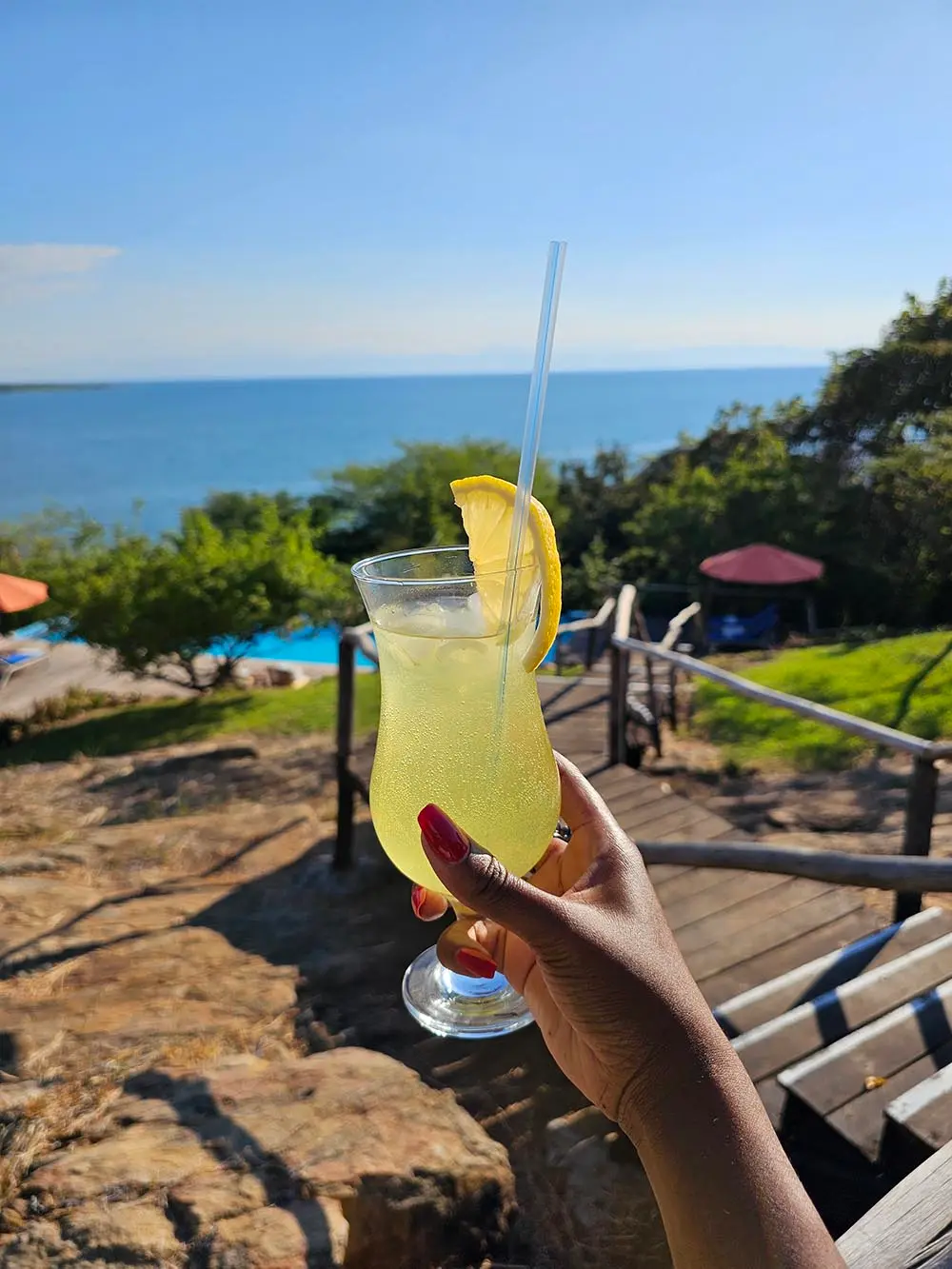
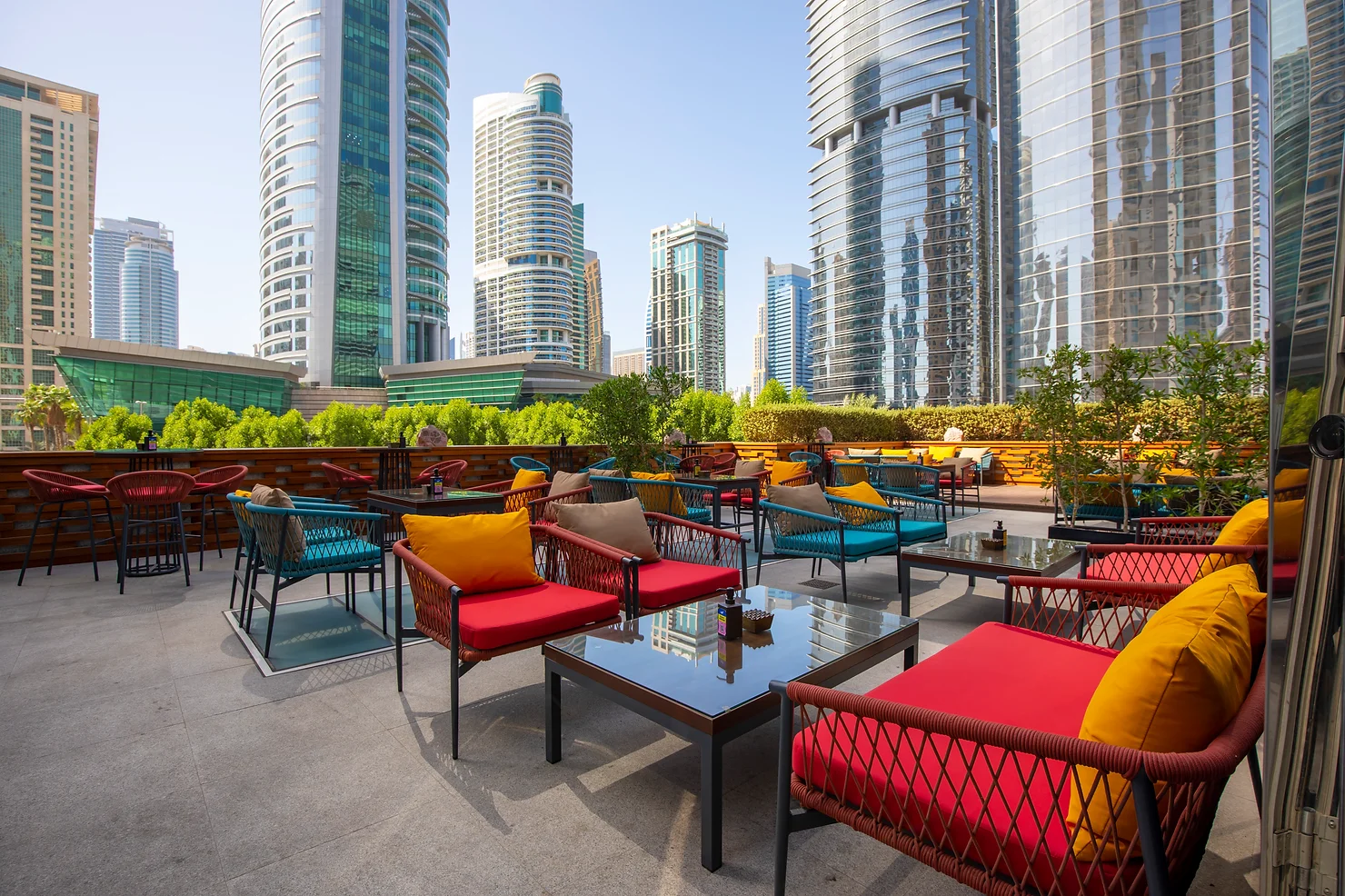
Escape Dubai’s fast pace for the profound stillness of Zambia’s bush at Ila Safari Lodge—a

Journey through Zambia’s Kafue National Park on a 12-day expedition blending untamed wilderness, curated luxury